Interesting facts about Ramadan: history, meaning, and daily life


Ramadan is the ninth month of the Islamic lunar calendar and one of the most significant periods in the lives of Muslims around the world. While many people associate Ramadan primarily with fasting, the month encompasses a wide range of spiritual, social, cultural, and historical dimensions that are often less well known.
Beyond abstaining from food and drink during daylight hours, Ramadan is a time of reflection, discipline, generosity, and community, News.Az reports.
RECOMMENDED STORIES
This article explores interesting and lesser known facts about Ramadan, shedding light on its origins, practices, variations across cultures, and its deeper significance in everyday life.
Ramadan is based on the lunar calendar
One of the most fundamental facts about Ramadan is that it follows the Islamic lunar calendar, which is based on the cycles of the moon. Because a lunar year is about eleven days shorter than a solar year, Ramadan shifts earlier each year on the Gregorian calendar.
This means that over a period of about thirty three years, Ramadan occurs in every season. Muslims may fast during long summer days with intense heat or short winter days with limited daylight. This rotation is often seen as a way of ensuring equality across generations, as no group consistently experiences Ramadan under easier or harder conditions.
The start of Ramadan depends on moon sighting
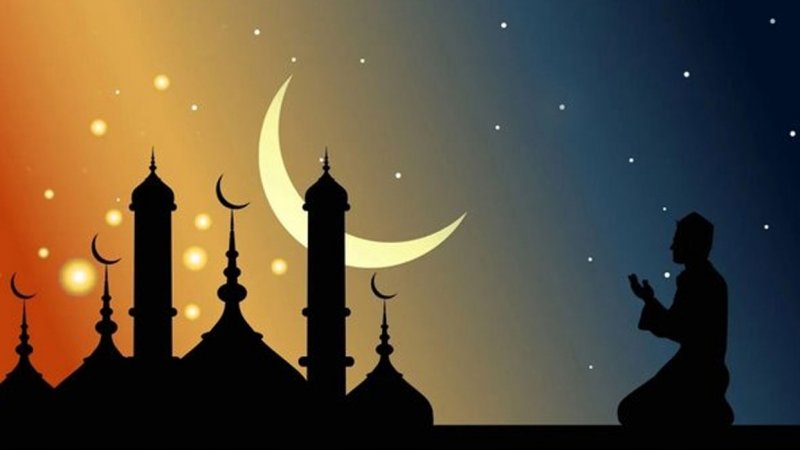
Ramadan officially begins with the sighting of the new crescent moon. This practice dates back centuries and remains an essential part of Islamic tradition. In some countries, religious authorities rely on physical moon sightings, while others use astronomical calculations.
As a result, the start of Ramadan can differ by one day between countries or even within the same country. This variation often surprises people unfamiliar with the lunar system and highlights the continued importance of traditional observation in modern religious life.
Fasting is more than abstaining from food and drink
While fasting from dawn to sunset is the most visible aspect of Ramadan, its meaning goes far beyond physical hunger. Muslims are expected to abstain from negative behaviors such as gossip, anger, dishonesty, and conflict.
The fast is meant to cultivate self control, patience, humility, and empathy. Many Muslims describe Ramadan as a time to reset habits, strengthen character, and become more mindful of their actions.
Children and fasting
Fasting during Ramadan is obligatory for adult Muslims who are physically and mentally able. Children are not required to fast, but many choose to practice partial fasting as a way of learning and participating.
In many cultures, children fast for a few hours or half a day, gradually increasing their participation as they grow older. Families often encourage this gently, emphasizing intention and effort rather than strict rules.
Exemptions from fasting
Islam provides clear exemptions from fasting for those who may be harmed by it. These include people who are ill, pregnant or breastfeeding women, travelers, the elderly, and individuals with chronic medical conditions.
Those who cannot fast temporarily are usually required to make up missed days later. Those who cannot fast permanently may fulfill the obligation by feeding people in need. This system reflects the principle that religious practice should not cause harm.
The pre dawn meal has special significance
The meal eaten before dawn is called suhoor. Although it may be light, it holds spiritual and practical importance. Eating suhoor is encouraged, as it provides energy for the day and symbolizes intention to fast.
Many people wake up shortly before dawn specifically for suhoor, even if they eat only a small amount. In many Muslim societies, waking up for suhoor is accompanied by traditional customs such as drummers or special calls.
Breaking the fast follows a tradition
The fast is traditionally broken at sunset with dates and water. This practice is rooted in early Islamic tradition and is widely followed today.
Dates are nutritious, easy to digest, and quickly restore energy after a long day of fasting. Although meals that follow can vary greatly by culture, the moment of breaking the fast is often simple and symbolic.
Ramadan nights are socially vibrant
While Ramadan days are marked by restraint, nights are often lively and communal. Families gather for evening meals, friends visit one another, and mosques are filled with worshippers.
Special night prayers are held throughout the month, creating a strong sense of unity. In many cities, streets remain busy late into the night, with shops and cafes adjusting their hours to accommodate the changed rhythm of life.
The last ten nights are especially important
The final ten nights of Ramadan hold special spiritual significance. During this period, many Muslims increase their worship, charity, and reflection.
One of these nights is believed to be Laylat al Qadr, or the Night of Power, which is considered the most sacred night of the year. Worship performed on this night is believed to carry immense spiritual value.
Because the exact date of this night is not specified, many people intensify their devotion throughout the last ten nights.
Ramadan strengthens empathy for the poor
One of the core purposes of fasting is to develop empathy for those who experience hunger regularly. By voluntarily abstaining from food and drink, people gain a deeper understanding of hardship and vulnerability.
This empathy is translated into action through increased charity. Ramadan is a peak time for giving, with many people donating food, money, and time to help those in need.
Charity during Ramadan is highly emphasized
Charity takes on heightened importance during Ramadan. Many Muslims choose this month to give obligatory and voluntary donations.
Community kitchens, food packages, and shared meals are common features of Ramadan in many countries. Even small acts of generosity are encouraged, reinforcing the idea that social responsibility is a central part of faith.
Ramadan is observed differently across cultures
Although the core principles of Ramadan are the same worldwide, cultural expressions vary widely. Foods, traditions, and daily routines differ from region to region.
In some countries, large communal meals are common, while in others families prefer private gatherings. Some cultures emphasize quiet reflection, while others celebrate with festivals, decorations, and public events.
These variations demonstrate how a shared religious practice adapts to local customs while maintaining its essential meaning.
Work and school routines often change
In many Muslim majority countries, working hours are reduced during Ramadan. Schools may adjust schedules, and businesses may open later or close earlier.
In countries where Muslims are a minority, people often continue their regular routines while fasting. This can make Ramadan more challenging, but many view it as an opportunity to practice discipline and patience.
Fasting affects time perception
Many people report that time feels different during Ramadan. Days may seem longer due to fasting, while weeks often pass quickly because of the structured routine and frequent gatherings.
This altered sense of time contributes to the feeling that Ramadan exists outside ordinary life, creating a unique mental and emotional space.
Health effects vary
Fasting during Ramadan can have various health effects depending on diet, sleep patterns, and individual conditions. Some people experience improved digestion and mental clarity, while others may feel fatigue if they do not manage nutrition and rest carefully.
The emphasis on moderation and mindfulness encourages people to be more conscious of what and how they eat.
Ramadan encourages self reflection
Beyond rituals, Ramadan is a time for deep self evaluation. Many people reflect on their relationships, habits, priorities, and spiritual goals.
It is common for individuals to set personal intentions for the month, such as improving patience, repairing relationships, or developing gratitude.
This reflective aspect is often cited as one of the most transformative elements of Ramadan.
The end of Ramadan is celebrated
Ramadan concludes with a major celebration that marks the end of fasting. This day is associated with communal prayers, family visits, festive meals, and acts of charity.
The celebration emphasizes gratitude, renewal, and joy after a month of discipline and spiritual effort.
Ramadan is not only about restriction
Although fasting involves restraint, Ramadan is ultimately about enrichment. It seeks to strengthen moral awareness, social bonds, and spiritual connection.
Many people describe Ramadan as a period when they feel more focused, compassionate, and connected to others. These qualities often remain even after the month ends.
Conclusion
Ramadan is a complex and deeply meaningful period that extends far beyond the act of fasting. It is shaped by lunar time, rooted in centuries old traditions, and lived differently across cultures, yet united by shared values of discipline, empathy, generosity, and reflection.
Understanding these interesting facts helps reveal Ramadan not just as a religious obligation, but as a holistic experience that reshapes daily life, strengthens communities, and encourages personal growth.
For millions of people around the world, Ramadan is a reminder that spiritual depth can be found in simplicity, restraint, and care for others.
By Faig Mahmudov


Similar news