What lessons can be learned from the deadly Sri Lanka care facility fire?


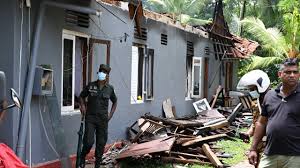
A devastating fire at an elderly care facility in Sri Lanka has left at least 12 people dead and several others injured, raising serious questions about safety standards in residential care homes across the country.
The tragedy unfolded at a nursing home in the western part of Sri Lanka, where dozens of elderly residents were staying. Emergency responders rushed to the scene after the blaze broke out during the night, but many residents were unable to escape in time, News.az reports.
The incident has shocked the country and sparked a nationwide discussion about the safety of vulnerable people living in long term care facilities.
What exactly happened?
The fire erupted inside an elderly care home housing dozens of senior citizens. Rescue teams, firefighters, police officers and local residents were mobilized immediately after reports of the blaze emerged.
Authorities confirmed that 12 residents lost their lives while several others suffered injuries ranging from smoke inhalation to burns. More than 50 people were evacuated from the facility during rescue operations.
Investigators are still working to establish the exact sequence of events that led to the disaster.
Where did the tragedy occur?
The incident took place in Anguruwatota, a town located in Sri Lanka's Western Province.
The nursing home served as a residence for elderly individuals, many of whom required assistance with daily activities due to age related health conditions.
Because many residents had limited mobility, emergency evacuation proved particularly challenging once the fire spread through the building.
Why was the fire so deadly?
Several factors may have contributed to the high death toll.
Elderly residents are among the most vulnerable groups during emergencies. Many struggle with mobility limitations, hearing difficulties, vision impairments or chronic health conditions that make rapid evacuation difficult.
In care facilities, residents often depend on caregivers for assistance. If a fire spreads quickly or occurs during sleeping hours, evacuation becomes even more complicated.
Investigators are examining whether building design, emergency exits, fire alarms and staffing levels played any role in the scale of the tragedy.
What caused the fire?
Authorities have not yet released an official cause.
Investigators are examining multiple possibilities, including electrical faults, malfunctioning equipment, accidental ignition sources and potential safety violations.
Forensic experts are expected to analyze the scene, inspect electrical systems and interview witnesses before determining how the blaze started.
The findings could take weeks or even months to be finalized.
Why was the nursing home director arrested?
Police have reportedly detained the facility's director as part of the ongoing investigation.
The arrest does not necessarily establish guilt. Rather, it reflects authorities' efforts to determine whether negligence, regulatory failures or inadequate safety measures contributed to the deaths.
Investigators are likely to examine whether the facility complied with existing regulations governing elderly care homes and whether all required safety protocols were in place.
If evidence of negligence emerges, criminal charges could follow.
How common are fires in elderly care facilities?
While such incidents are relatively rare, fires in nursing homes can have devastating consequences when they occur.
Around the world, elderly care facilities have experienced major fire disasters over the past several decades. These incidents often highlight recurring issues such as:
- Inadequate fire detection systems
- Poor evacuation planning
- Insufficient staffing
- Locked exits
- Aging infrastructure
- Lack of emergency training
Because elderly residents are particularly vulnerable, international safety standards generally require enhanced fire protection measures.
What safety measures should nursing homes have?
Modern elderly care facilities are expected to maintain comprehensive fire safety systems.
These typically include smoke detectors, fire alarms, emergency lighting, fire extinguishers, sprinkler systems and clearly marked emergency exits.
Staff members should also receive regular emergency response training, while residents should participate in evacuation drills whenever possible.
Experts emphasize that preparedness is often the difference between a manageable emergency and a mass casualty event.
How does Sri Lanka regulate elderly care homes?
Sri Lanka's elderly care sector has expanded in recent years as demographic changes increase demand for residential care services.
Facilities are generally required to comply with health, welfare and safety regulations. However, enforcement standards can vary depending on location, resources and institutional oversight.
The current investigation may prompt authorities to review existing regulations and determine whether stronger monitoring mechanisms are needed.
Is Sri Lanka's elderly population growing?
Yes.
Like many countries across Asia, Sri Lanka is experiencing significant demographic change. Improvements in healthcare and life expectancy mean that people are living longer than previous generations.
As a result, the number of elderly citizens is increasing steadily.
This trend is creating greater demand for nursing homes, assisted living facilities and long term care services.
The tragedy has therefore drawn attention to broader questions about whether infrastructure and regulations are keeping pace with the country's aging population.
What challenges do elderly care facilities face?
Care homes frequently operate under significant financial and operational pressures.
Common challenges include:
- Recruiting qualified caregivers
- Maintaining buildings and infrastructure
- Funding safety upgrades
- Managing healthcare needs
- Ensuring regulatory compliance
- Providing adequate emergency preparedness
Experts note that many facilities in developing countries struggle to balance rising demand with limited resources.
What happens next in the investigation?
Authorities are expected to conduct a comprehensive review of the incident.
Investigators will likely focus on:
- Determining the fire's cause
- Assessing emergency response procedures
- Examining building safety measures
- Reviewing staff actions during the crisis
- Evaluating compliance with regulations
The results could influence future policy decisions regarding elderly care facilities throughout Sri Lanka.
Could the tragedy lead to reforms?
It is possible.
Major disasters often serve as catalysts for regulatory changes.
If investigators identify systemic failures, authorities may introduce stricter inspection requirements, tougher safety standards and enhanced emergency preparedness rules for nursing homes.
There may also be calls for increased investment in elderly care infrastructure and stronger oversight mechanisms.
What lessons can be learned from the disaster?
The tragedy underscores the importance of protecting vulnerable populations during emergencies.
Experts say nursing homes must prioritize fire prevention, early detection and evacuation planning. Regular inspections, staff training and modern safety systems are widely viewed as essential components of effective risk management.
As Sri Lanka mourns the victims, the disaster is likely to become a defining moment in the country's discussion about elderly care, safety standards and the responsibilities of institutions entrusted with protecting some of society's most vulnerable members.
By Faig Mahmudov


Similar news