Iran clarifies passage rules for Chinese vessels in Strait of Hormuz after ship turned back


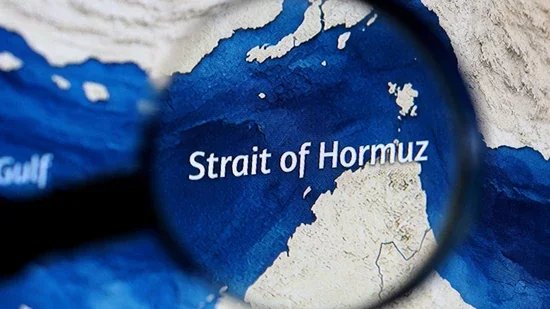
The Iranian government has issued a formal clarification regarding the transit of Chinese vessels through the Strait of Hormuz after a high-profile incident involving a Chinese-flagged cargo ship.
The vessel was reportedly forced to turn back by the Islamic Revolutionary Guard Corps (IRGC) over the weekend, sparking international questions about whether Tehran's blockade applies even to its closest strategic and economic partners, News.Az reports, citing Hindustan Times.
According to the statement from the Iranian Ministry of Transport, the confusion stemmed from a "technical verification process" rather than a shift in policy. Tehran reaffirmed that Chinese merchant ships are permitted to pass through the strategic waterway, provided they comply with new, stringent reporting requirements implemented under the current state of regional tension. The government emphasized that China remains a "priority partner" and that the blockade is specifically targeted at nations participating in or supporting the U.S.-led economic pressure campaign.
RECOMMENDED STORIES
The incident occurred amidst a "dueling blockade" scenario where Iran has restricted traffic in response to U.S. naval activity. Analysts suggest that the brief detention of the Chinese ship served as a signal that Tehran intends to exercise absolute sovereignty over the strait, requiring even friendly nations to strictly adhere to its maritime commands. Iranian officials noted that the ship in question was allowed to resume its journey once its cargo and destination were "fully verified" to be unrelated to the ongoing conflict with Washington.
This clarification is seen as a move to reassure Beijing, which relies heavily on the Strait of Hormuz for its energy security and trade routes. While China has remained largely neutral in the rhetoric between President Trump and Supreme Leader Khamenei, the disruption of its shipping interests has placed significant diplomatic pressure on Tehran to ensure that its blockade does not inadvertently damage its most vital economic lifeline.
As the Wednesday deadline for the regional ceasefire approaches, the status of the strait remains the central point of contention. By clarifying the rules for Chinese vessels, Iran appears to be attempting to maintain a "business as usual" atmosphere for its allies while simultaneously holding the global energy market hostage to force concessions from the United States and its coalition.
By Leyla Şirinova


Similar news