Iran rejects claims weather and military radars affect rainfall


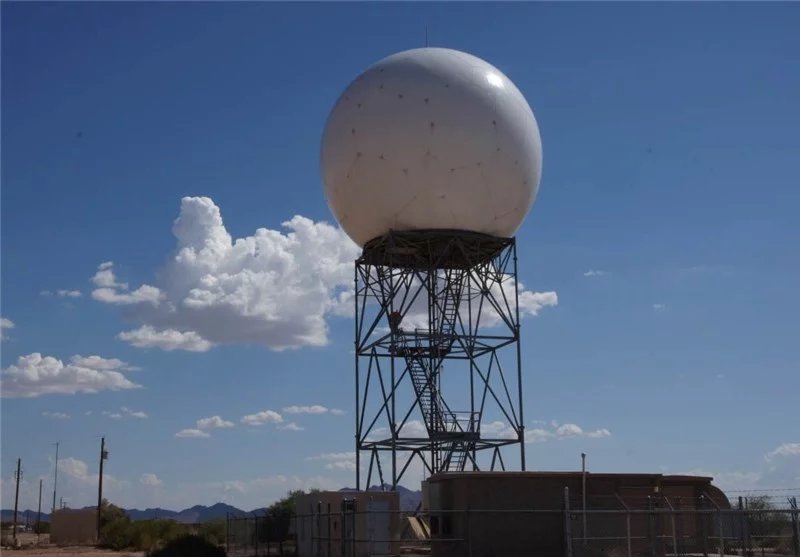
Iran’s Meteorological Organisation has dismissed claims circulating on social media that weather and military radars, as well as the HAARP project, can influence rainfall or alter the country’s climate.
In a statement carried by Tasnim News Agency on Wednesday, the organisation said recent online posts and videos alleging that radar systems were responsible for changes in rainfall patterns had “no credible scientific basis,” News.Az reports.
It said weather radars are “solely tools for detecting atmospheric phenomena” and do not have enough energy to change cloud structure, temperature, humidity or rainfall.
RECOMMENDED STORIES
According to the statement, radar waves “do not cause any phase changes in the atmosphere” and cannot ionise the air, heat the atmosphere or introduce substances capable of cloud seeding.
The organisation also rejected claims related to the US THAAD missile defence radar system, saying its technical capabilities do not allow it to directly affect weather conditions or rainfall.
Addressing the HAARP project, it said official findings show that “HAARP cannot change the weather” and that there is “no evidence” linking it to climate modification.
The statement added that changing rainfall patterns would require enormous amounts of energy far beyond the capacity of weather or military radars, stressing that “weather and military radars do not have the power or capability to change climate conditions.”
It also pointed to forecasts issued months before the recent conflict, which had already predicted above-normal rainfall, saying this strongly rejected claims that damaged military or weather infrastructure had caused increased precipitation.
The organisation urged the public to avoid sharing unverified information, warning that publishing unproven claims could create “unnecessary public concern and misinformation.”


Similar news