Ireland tightens support rules for Ukrainian refugees as arrivals rise


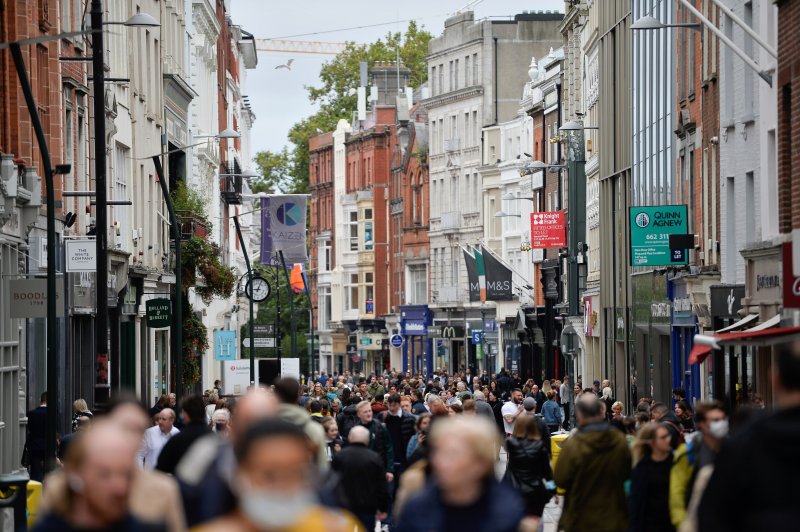
Ireland has moved to tighten accommodation and financial support rules for newly arrived Ukrainian refugees amid rising arrivals and concerns over limited housing capacity.
Under a new government decision, Ukrainians entering the country will now be entitled to 30 days of state-provided accommodation instead of the previous 90-day period. Officials say the change is aimed at easing pressure on Ireland’s asylum system and ensuring enough space remains available for all new arrivals, News.Az reports, citing foreign media.
Government projections indicate that if the current inflow — roughly 50 people per day — continues, existing accommodation could run out by the end of the month. Since Russia’s full-scale invasion in 2022, more than 100,000 Ukrainians have arrived in Ireland, with around 80,000 still residing in the country and relying on state support.
Alongside the shortened stay period, ministers have also backed a proposal requiring employed Ukrainian refugees living in state-run housing to contribute toward their accommodation costs. Weekly payments are expected to range from €15 to €238 depending on income and will apply to residents of International Protection Accommodation Service (IPAS) centers.
Justice Minister Jim O’Callaghan said the contribution framework is being developed jointly with Minister of State Colm Brophy and will now be put to coalition partners before going to Cabinet for approval. “We do believe they are appropriate,” O’Callaghan said.
The changes come as Ireland sees a renewed increase in Ukrainian arrivals since September, driven in part by deteriorating conditions and stricter policies in other European states.
Meanwhile, the European Parliament is advancing a proposal to block Russian state-linked media, including RT and Sputnik, from its internal IT network in a bid to fight disinformation. The move follows controversy sparked by a Romanian MEP’s comments made during a recent visit to Moscow, which were widely criticized by European lawmakers as undermining support for Ukraine.


Similar news