Israel expands military presence beyond ‘yellow line’ in Gaza


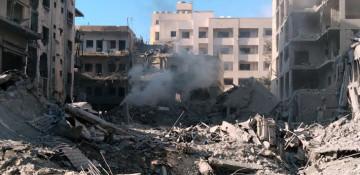
The Israeli military has expanded its ground operations beyond the so-called “yellow line” in eastern Gaza over the past 24 hours, further tightening control in parts of Gaza City, according to reports from journalists on the ground.
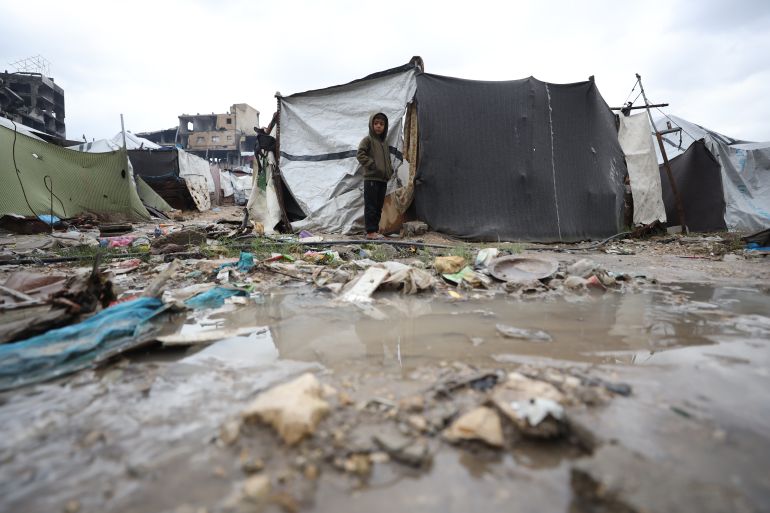
Israeli forces advanced in the Tuffah, Shujayea, and Zeitoun neighborhoods, pushing displaced Palestinians into increasingly confined areas of the enclave. The expansion has brought Israeli troops closer to Salah al-Din Street, a major north–south route, prompting families sheltering nearby to flee amid intensified threats, News.Az reports, citing Al Jazeera.
Despite a ceasefire agreement mediated by the United States on October 10, Israeli attacks have continued. Since the truce took effect, at least 414 Palestinians have been killed and 1,145 injured in what have been described as daily ceasefire violations.
Artillery shelling and helicopter fire also resumed in southern Gaza, particularly north and east of Rafah and Khan Younis. Medical sources reported that at least three Palestinians were killed in separate strikes in Khan Younis on Sunday.
In central Gaza, a five-storey residential building in the Maghazi refugee camp collapsed after being struck. Civil defense teams are searching for missing people under the rubble, while local media reported at least five injuries.
Israeli forces now reportedly occupy more than 50 percent of the Gaza Strip.
Meanwhile, uncertainty surrounds the possible reopening of the Rafah crossing. While some residents hope it could provide access to medical treatment or reunite families, others fear it may operate as a one-way exit, raising concerns about permanent displacement.
According to Gaza’s Health Ministry, at least 71,386 Palestinians have been killed and 171,264 injured since the start of the war in October 2023. More than 420 deaths have been reported since the ceasefire agreement was reached.
Israel continues to restrict large volumes of humanitarian aid at Gaza’s crossings, despite warnings from the United Nations and aid organizations about severe shortages on the ground.


Similar news