Japan reports first fatal bear attack of 2026


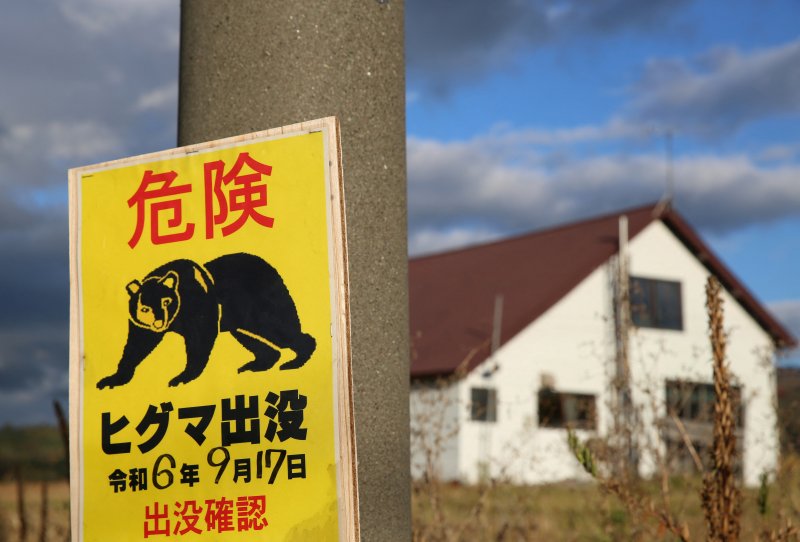
Japan confirmed on Friday the first fatal bear attack of 2026 following a record 13 deaths last year, as reports indicate a sharp rise in sightings of the animals emerging hungry from hibernation, News.Az reports, citing AFP.
A series of bear encounters in 2025, including incidents at hot spring resorts and even inside supermarkets, sparked widespread concern. In response, the government deployed troops to assist in trapping and hunting the animals.
This year, sightings have again surged as bears emerge from winter hibernation, according to local media reports.
RECOMMENDED STORIES
The first confirmed fatality of 2026, a 55-year-old woman, was discovered on April 21 in Iwate prefecture in northern Japan, the environment ministry said.
In addition, two more sets of human remains were found this week, police told AFP, with media reports suggesting possible links to bear attacks.
One body was discovered in the same Iwate region on Thursday, while another was found in a forest in Yamagata prefecture on Tuesday, police said, though they did not confirm the cause of death.
Public broadcaster NHK identified one of the victims as 69-year-old Chiyoko Kumagai, who had gone missing after entering a mountain forest to collect edible wild plants.
According to NHK, police and rescuers launched a search on Thursday near the forest where her car had been parked and discovered her body shortly after 8:00 a.m. (2300 GMT Wednesday).
She was reported to have suffered facial and head injuries consistent with animal claw marks.
Local authorities said hunters were expected to begin patrolling the area on Friday, NHK reported.
Japan recorded a record number of fatal bear attacks in the previous year, with 13 deaths—more than double the previous high of six. Over 200 people were also injured.
Bears were frequently reported entering homes, approaching schools, and even causing damage inside supermarkets and hot spring resorts almost daily.
Between April 1, 2025 and March 31, 2026, official data showed that more than 14,000 bears were culled, nearly three times the number from the previous year.
By Nijat Babayev


Similar news