Latest developments in the Israel–Palestine war: 24-hour overview


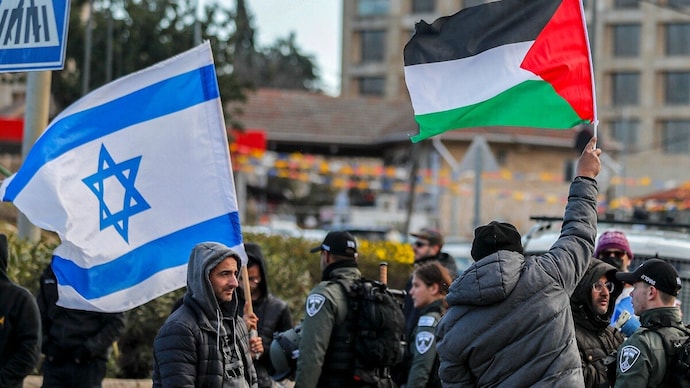
Over the past 24 hours, hostilities and strategic moves have continued to shape the Israel–Palestine landscape, News.az reports.
Although broader ceasefire arrangements remain nominally in place, the situation on the ground continues to shift, with limited stability and persistent violations reported by multiple sources.
Israel approved 764 new housing units in three West Bank settlements, including Hashmonaim, Givat Ze’ev and Beitar Illit. This move has triggered widespread criticism from Palestinian leaders and international observers who argue that settlement expansion further undermines any renewed peace efforts. The decision also comes amid rising settler–Palestinian tensions, increasing friction on the ground and sharpening diplomatic disputes.
In parallel, Israel reopened the Allenby crossing with Jordan after several months of closure. The reopening is intended to facilitate commercial movement and limited humanitarian supply routes, easing some pressure on the West Bank economy. However, this reopening has not significantly changed the overall constraints on aid routes into Gaza, which remain heavily limited due to security restrictions and inspection delays.
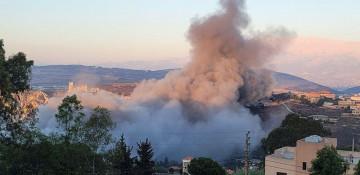
Despite the ceasefire framework mediated by international actors, sporadic Israeli air and drone strikes were reported in parts of Gaza, including areas of northern and central districts. Palestinian health authorities reported additional casualties, including children, following strikes near the Bureij refugee camp and Cibaliya. Israel maintains that such strikes target militant infrastructure and operatives, although civilian casualties remain a persistent consequence of the conflict’s urban environment.
The humanitarian situation in Gaza remains extremely fragile. Aid deliveries remain below the levels promised under ceasefire terms. Instead of the expected 600 trucks per day, deliveries have been averaging significantly fewer, according to relief organizations and Israeli officials. This shortfall continues to impede access to food, medical supplies, clean water and essential materials for winterization.
Heavy winter rains have worsened conditions for displaced populations across Gaza. Thousands of makeshift tents and temporary shelters have been flooded, forcing families to relocate yet again in search of dry ground and basic protection. The flooding has heightened risks of disease, particularly respiratory infections and waterborne illnesses, while also exposing broader sanitation failures caused by damaged infrastructure and limited fuel.
Tensions also continued in the West Bank, where Israeli forces carried out several arrests overnight. Palestinian groups reported confrontations and clashes in multiple towns. Although these were limited in scale, they highlight the ongoing volatility beyond Gaza and the difficulty of maintaining any sustained reduction in violence.
Diplomatically, the United States continued to promote a multi-stage peace framework. American officials stated that Phase Two of the plan could be announced soon, focusing on governance arrangements for Gaza and mechanisms to prevent Hamas from reasserting control. Palestinian political factions, however, remain divided on external proposals and are calling for guarantees on political rights, reconstruction funding and international recognition of Palestinian statehood.
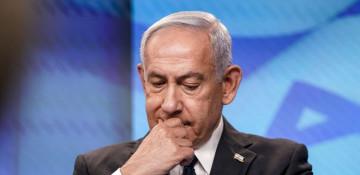
Israeli prime minister Benjamin Netanyahu signaled that Israel and Hamas are moving closer to the second phase of the truce plan. However, he emphasized that Israel will not accept any arrangement that allows Hamas to retain armed control. This stance continues to complicate negotiations with mediators who are attempting to craft a balanced transition model.
International reactions to the latest developments remain mixed but increasingly critical of both settlement expansion and the continued restriction of aid. Arab states have called for a more robust humanitarian corridor into Gaza. European leaders have urged Israel to halt settlement activity and improve access for humanitarian agencies. United Nations officials again stressed that Gaza is facing acute food insecurity and that immediate measures are needed to prevent further deterioration.
While open warfare has largely been suppressed under the ceasefire structure, enforcement challenges persist. Both sides accuse each other of violating terms. Israel highlights continued militant attempts to regroup, while Palestinian officials point to Israeli strikes, arrests and movement restrictions that contradict the spirit of de-escalation. The result is a fragile and partial calm that provides neither full stability nor clear progress.
Looking ahead, the conflict’s trajectory remains uncertain. Humanitarian needs continue to rise sharply as winter conditions worsen. Political negotiations remain slow and contentious. Security dynamics in both Gaza and the West Bank continue to fluctuate. Without significant breakthroughs or unified political commitments, the next 24 hours are expected to bring more of the same pattern: localized clashes, humanitarian setbacks and high-level diplomatic maneuvering without decisive movement toward a durable settlement.
If you want, I can also write a 1300-word news version, a breaking-news summary, or a detailed explainer on humanitarian conditions, political negotiations or settlement policy.


Similar news