OpenAI trial: Elon Musk reprimanded for Sam Altman posts ahead of trial


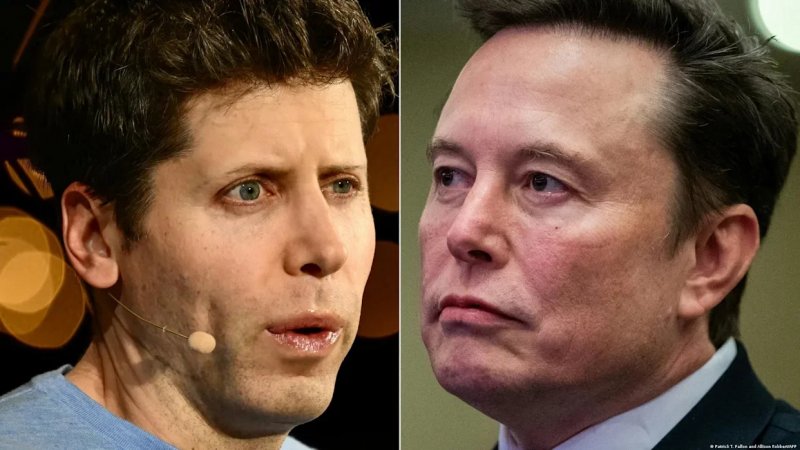
A U.S. judge has sharply reprimanded Elon Musk after a wave of social media posts targeting OpenAI and its CEO, Sam Altman, just hours before a high-stakes trial began.
On the eve of opening statements, Musk took to X (formerly Twitter), posting more than 24 times about OpenAI. Several posts directly criticized Altman and OpenAI president Greg Brockman, using mocking nicknames and accusing them of turning what was once a mission-driven organization into a profit-focused company, News.Az reports, citing UInterview.
Musk told his followers that he originally helped create OpenAI to “save humanity,” but claimed the company had strayed from that vision after shifting to a for-profit structure. In one post, he alleged that its leadership had benefited financially at the expense of the organization’s original purpose.
RECOMMENDED STORIES
The online activity quickly drew attention in court. During Tuesday’s proceedings, U.S. District Judge Yvonne Gonzalez Rogers called Musk forward and raised concerns about his public comments, questioning whether they could interfere with the legal process.
“How can we get things done without you making things worse outside the courtroom?” the judge asked, signaling frustration over the tone and timing of Musk’s posts.
The court considered whether a gag order might be necessary to limit public statements about the case. Musk defended his actions, arguing that he was responding to remarks made by OpenAI. However, the judge urged all sides—including Altman and Brockman—to reset their approach and reduce public commentary moving forward.
All parties agreed to keep their online activity to a minimum, at least for now.
The dispute traces back to OpenAI’s early days in 2015, when Musk and Altman collaborated on building an artificial intelligence lab focused on benefiting humanity. Musk provided early funding, while Altman became a leading public figure for the organization.
According to Musk’s legal argument, tensions grew as financial considerations entered the picture, culminating in OpenAI’s transition to a for-profit model. His lawsuit frames the conflict as a clash between founding ideals and financial incentives.
OpenAI, however, has pushed back strongly. In its response, the company argues that Musk’s actions are driven by his own ambitions for power and financial gain, rather than concern over the organization’s direction.
With both sides presenting sharply different narratives, the case is expected to test not only legal boundaries but also the future direction of one of the world’s most influential AI organizations.
As the trial unfolds, the question is no longer just about what happened behind the scenes—but whether public battles like this can reshape how powerful tech leaders operate in full view of the world.
By Aysel Mammadzada


Similar news