Poilievre praises Carney’s Davos speech but demands action


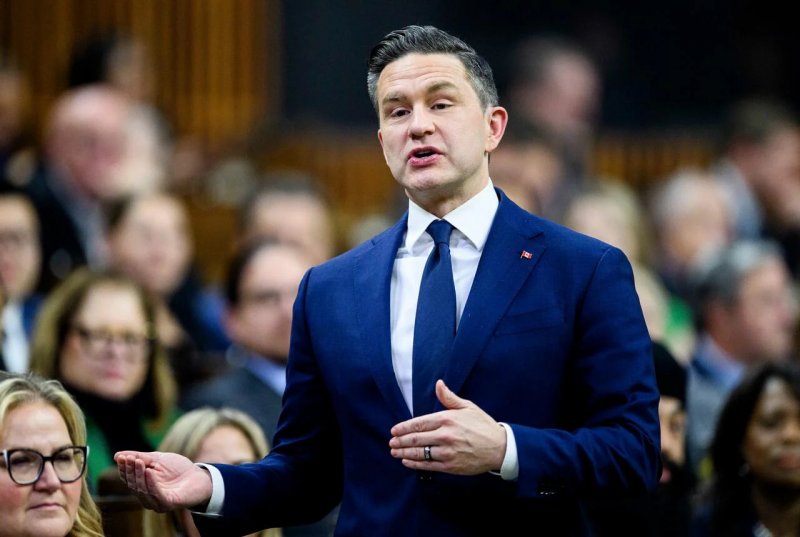
Canada’s Conservative Leader Pierre Poilievre has called Prime Minister Mark Carney’s speech at the World Economic Forum in Davos “well-crafted and eloquently delivered,” while insisting that strong words must now be followed by concrete action.
In a lengthy statement issued on Thursday, Poilievre acknowledged that Carney was right to emphasize Canada’s need to become more self-reliant and less dependent on the United States, News.Az reports, citing foreign media.
He said Conservatives are prepared to work with the prime minister to “turn these words into results.”
However, Poilievre sharply criticized the government’s economic record, arguing that years of Liberal promises have left Canada more costly and dependent than before. He also reaffirmed his party’s skepticism toward the World Economic Forum, contrasting his stance with the Liberals’ engagement on global platforms.
Carney’s Davos speech has received international attention for its warning that major powers are using economic integration as a political weapon. Although the United States was not mentioned directly, U.S. President Donald Trump responded the next day with a blunt warning, saying Canada “lives because of the United States.”
Poilievre said Canada must continue to diversify trade but stressed that its economic and security ties with the U.S. remain essential, noting that one in ten Canadian jobs depends on trade with its southern neighbor. He repeated his offer for Conservatives to support the government in resisting potential U.S. tariffs.
The Conservative leader also cautioned against deepening partnerships with what he described as hostile regimes, criticizing the government’s recent trade and strategic agreements with China. He outlined proposals to strengthen Canada’s sovereignty, expand energy infrastructure, boost Arctic security, and accelerate approval of major resource projects.
Poilievre said he plans to introduce a “Sovereignty Act” when Parliament reconvenes, positioning it as a path toward making Canada more self-reliant, economically stronger, and strategically secure.
By Aysel Mammadzada


Similar news