Poland, Baltic states set to withdraw from landmine treaty


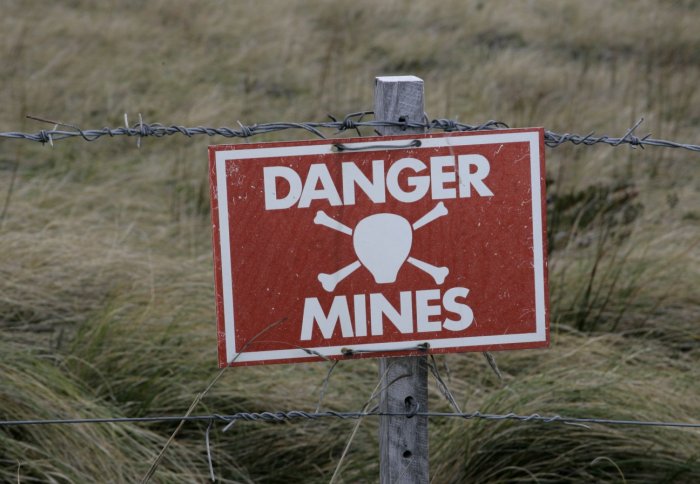
Poland and the Baltic states—Estonia, Latvia, and Lithuania—have announced plans to withdraw from the Ottawa Treaty, which bans anti-personnel landmines.
In a joint statement, the defence ministers of Estonia, Latvia, Lithuania and Poland said since signing the Ottawa Treaty, threats from Moscow and its ally Belarus have "significantly increased", News.Az reports, citing BBC.
It is "paramount" to give their troops "flexibility and freedom of choice" to defend Nato's eastern flank, they said.
The Ottawa Treaty, also known as the Mine Ban Treaty, came into force in 1997. It aims to ban anti-personnel mines - those aimed at humans - worldwide, and has been signed by more than 160 countries.
But some major military powers - including China, India, Russia, Pakistan, and the US - never signed up to the treaty.
All of the Baltic states had signed the convention by 2005, while Poland did the same in 2012.
In their joint statement on Tuesday, the nations' defence ministers said, however, that the security situation in their region since signing the treaty had "significantly deteriorated".
"In light of these considerations, we... unanimously recommend withdrawing from the Ottawa Convention.
"With this decision, we are sending a clear message: our countries are prepared and can use every necessary measure to defend our territory and freedom," the defence ministers wrote.
But they stressed that despite plans to leave the treaty, Poland and the Baltic states are still committed to international humanitarian laws, "including the protection of civilians during armed conflict".
"Our nations will continue to uphold these principles while addressing our security needs," they wrote.
All four countries are in the Nato alliance, and all four share borders with Russia.


Similar news