Russia launches record glide bomb strikes on Ukraine
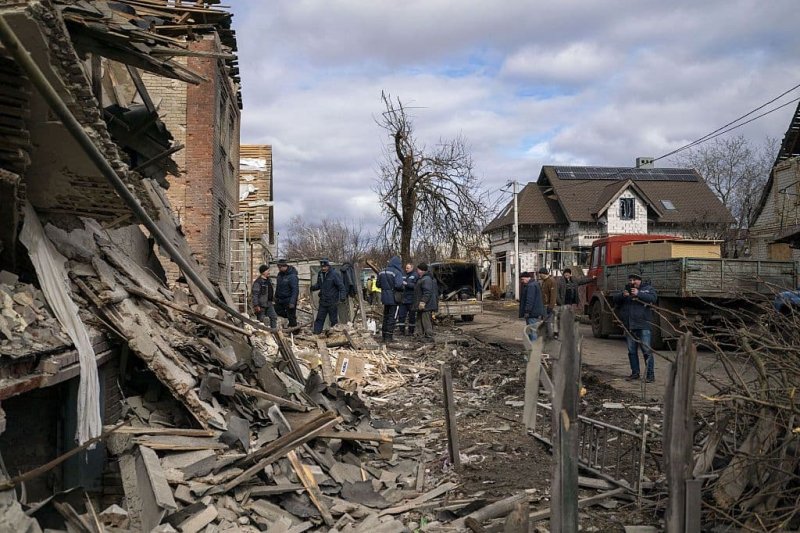
Russian forces have carried out a record number of glide bomb strikes on Ukraine, sharply escalating aerial attacks as the war intensifies, according to Ukraine’s Defense Ministry.
In March, Russian forces dropped 7,987 guided aerial bombs, the highest monthly total since the start of the full-scale invasion, surpassing February’s previous record by more than 1,500 strikes, News.Az reports, citing foreign media.
The ministry said Russian troops also conducted around 115,000 artillery attacks during the same period, including 2,834 multiple launch rocket system (MLRS) strikes, underscoring the scale of sustained bombardment along the front lines.
Officials in Kyiv said the increase reflects Moscow’s strategy of intensifying air pressure after failing to achieve major breakthroughs on the battlefield. Glide bombs, launched from aircraft operating behind the front line or from Russian-controlled territory, are relatively cheap to produce but highly destructive when used at scale.
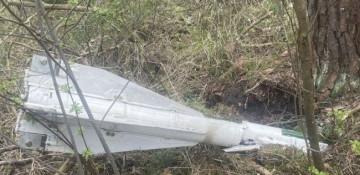
Unlike missiles, glide bombs are difficult to intercept due to their high-speed descent and release from long range, making them a growing challenge for Ukrainian air defenses. However, Ukrainian forces have continued to adapt electronic warfare systems in an effort to disrupt their guidance.
Military analysts say the situation reflects a “cat-and-mouse” technological race, with both sides repeatedly upgrading strike and countermeasure systems.
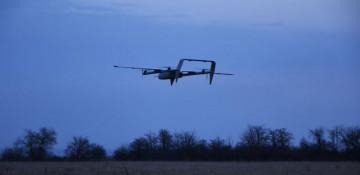
The escalation has also extended beyond glide bombs. Ukraine reported that Russia launched nearly 6,500 drones in March, including a record single-day wave of about 1,000 drones on March 23–24, which officials said killed seven people and injured around 50.
Ukrainian authorities say there is no indication that the intensity of attacks will decrease, even as international diplomatic efforts to broker peace remain stalled amid shifting global priorities.
News.Az
By Aysel Mammadzada