Russia–Ukraine war: Latest development over the past day


Russian and Ukrainian forces have entered another day of intense fighting marked by long-range strikes, battlefield pressure along several front-line sectors, and growing international attention on diplomatic efforts to explore possible terms for ending the war, News.az reports.
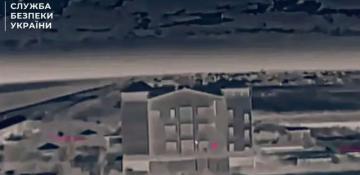
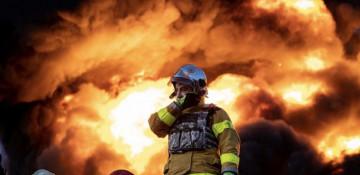
Over the past 24 hours, Ukrainian forces have intensified strikes deep inside Russian territory, targeting energy and industrial infrastructure that Kyiv links to Moscow’s military logistics. One of the most significant reported incidents was a strike on the Novoshakhtinsk oil refinery in the Rostov region, a key facility in southern Russia. Ukrainian officials said explosions were recorded at the site and that the attack formed part of a broader effort to degrade Moscow’s fuel supply chain. Russian regional authorities acknowledged that emergency services were deployed to contain resulting fires and damage assessments are still being carried out.
Ukraine also reported additional long-range drone and missile attacks against oil storage facilities in the Krasnodar region and gas-related infrastructure further east. Local officials described a large blaze at an oil terminal following one of these attacks, highlighting Kyiv’s continued capacity to strike targets far beyond the front line despite Russia’s extensive air defence network.
Inside Ukraine, Russian forces maintained significant pressure through missile, drone and artillery attacks across multiple regions. Ukraine’s military reported dozens of combat engagements along the eastern and southern fronts. The most intense clashes were recorded around the Pokrovsk sector of Donetsk Oblast, where Russian units reportedly attempted a high number of assaults. Ukrainian officials said these attacks were repelled with heavy losses for the advancing forces, although battlefield claims from both sides remain difficult to verify independently.
On the ground, both sides reported small but symbolically important territorial developments. Ukrainian officials said their units had completed a multi-month operation resulting in the recapture of several settlements in the Dnipropetrovsk region. Commanders described the push as a sustained effort supported by multiple formations and said personnel involved were being nominated for state awards.
Russia, meanwhile, announced the capture of a settlement in the Donetsk region as part of what it described as continued offensive pressure along the eastern axis. Ukrainian officials have not confirmed that development, and analysts say the front remains highly fluid, with several settlements suffering heavy destruction or depopulation due to constant shelling.
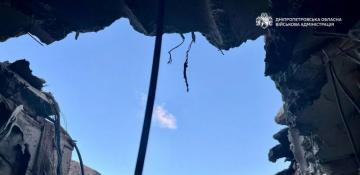
For Ukrainian civilians, the past 24 hours again brought casualties and widespread damage from drone and missile strikes. Authorities reported deaths and injuries in multiple regions as residential areas, infrastructure and public facilities were hit. In one northern region, officials said a strike damaged a multi-storey apartment building, blowing out windows and causing a fire that left residents trapped until emergency crews arrived. Elsewhere, attacks affected energy facilities and housing at a time when winter temperatures continue to fall, heightening concerns about heating and electricity supplies.
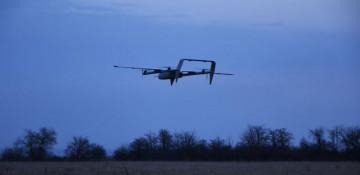
Ukraine’s air defence forces reported shooting down the majority of incoming drones and missiles but acknowledged that some got through. Officials said Russia launched another large overnight drone barrage, with many intercepted over central and western regions. Ukrainian authorities argue that these continual waves are designed to both inflict damage and force Kyiv to disperse and deplete its air defence stockpiles across a wide geographic area.
Despite the continuing military escalation, diplomatic activity concerning the war appears to have intensified. Ukrainian President Volodymyr Zelenskyy said he held detailed discussions with American envoys about possible frameworks and formats for advancing toward what he called a “real peace.” He indicated that there are ongoing exchanges over draft proposals, timelines and meeting structures, although he acknowledged that significant differences remain and that any final outcome will depend on the positions of all parties involved.
Russian officials have also signalled that dialogue channels remain open. Moscow has stressed that any settlement must reflect what it calls “current realities,” referring to its control over parts of eastern and southern Ukraine. Statements from Russian ministries suggest that negotiations on certain aspects are progressing slowly but have not been broken off. Analysts note that this dual track—continued military operations alongside guarded diplomatic engagement—has increasingly shaped the rhythm of the conflict in recent weeks.
Inside Russia, fresh polling data shows that a growing share of the public expects the conflict to continue into 2026 but also expresses support for peace talks. Some surveys indicate that more than half of respondents believe the coming year may bring decisive developments, and a significant majority expects the country’s overall situation to improve once the war ends. Independent analysts caution that polling in wartime conditions must be treated with care but say the trends may still indicate a shift in public sentiment.
Economic factors also remain prominent. Russian officials acknowledged that Western sanctions and export restrictions have delayed key energy-sector targets, including ambitious goals for liquefied natural gas production. The admission underscores the continued impact of sanctions on Russia’s access to technologies and financing, even as Moscow attempts to deepen trade ties with partners in Asia and other non-Western regions.
Beyond Ukraine’s borders, the war continues to reverberate across the region. NATO member Poland reported scrambling fighter jets after detecting Russian military aircraft activity near its airspace over the Baltic Sea. Warsaw also reported aerial objects entering its territory from the direction of Belarus, an incident officials warned could be linked to deliberate attempts to test air defence readiness. European governments reiterated calls for stricter enforcement of sanctions regimes and urged third countries not to supply dual-use technologies that might support Russia’s weapons production.
Meanwhile, humanitarian concerns inside Ukraine remain acute. Repeated strikes on power infrastructure have forced authorities to continue energy rationing measures in some regions and prioritize critical facilities such as hospitals and water systems. International agencies warn that ongoing displacement, combined with winter conditions and limited resources, will continue to strain both local authorities and relief organizations. Ukrainian officials say they are working to repair damage as quickly as possible but note that constant strikes make long-term planning extremely difficult.
Taken together, the developments of the past 24 hours illustrate a complex and contradictory phase of the war. Militarily, both sides are seeking incremental gains through artillery pressure, drone warfare, and deep-strike campaigns against logistics and industry. Civilians across Ukraine continue to face serious risks from near-daily attacks that damage homes, infrastructure and essential services.
At the same time, there are clearer signs of diplomatic movement than at many points over the past year. Ukrainian, Russian and Western representatives are actively discussing potential pathways toward a negotiated end, even as they continue to publicly defend their respective red lines and core objectives. Polling trends inside Russia and continued appeals from Ukraine for sustained international support suggest that domestic and external pressures are shaping the strategic calculations of both governments.
Whether these dynamics produce a breakthrough in the months ahead remains uncertain. Much will depend on the battlefield situation through winter and early spring, the durability of international assistance to Ukraine, and the willingness of all parties to make concessions that have so far proved politically and strategically difficult. For now, the war continues on two tracks: relentless military confrontation on the ground and cautious, often opaque diplomacy behind the scenes.
As the conflict enters another year, the humanitarian, economic and security implications remain profound not only for Ukraine and Russia but also for Europe and the wider international system. The next phase will likely test the resilience, resources and political will of all actors involved, while civilians on both sides of the front line continue to bear the heaviest burden of a war that shows few signs of ending quickly.


Similar news