Scandinavian Airlines to cancel nearly 1,000 flights as fuel prices surge


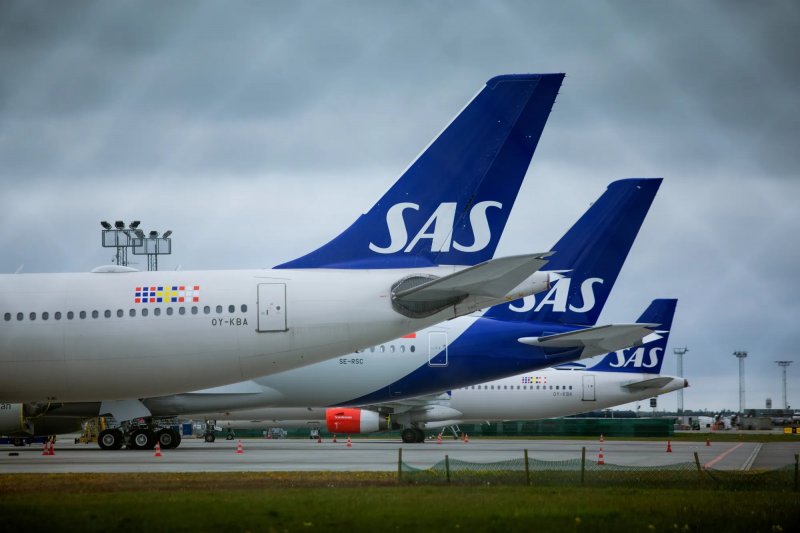
Scandinavian Airlines (SAS) will cancel at least 1,000 flights in April as soaring jet fuel prices linked to the Iran war drive up operating costs, CEO Anko van der Werff has announced.
The airline has already reduced several hundred flights in March and expects a broader round of cancellations after Easter, when seasonal demand typically declines, News.Az reports, citing foreign media.
Van der Werff said the cuts are significant but not drastic, noting that SAS operates around 800 flights per day.
Fuel costs have risen sharply, increasing expenses by more than 500 Swedish kronor ($53.8) per average SAS flight. For transatlantic routes, operating costs have climbed by about 2,700 kronor ($290.6) per flight.
RECOMMENDED STORIES
The CEO said jet fuel prices have doubled within just 10 days, creating an immediate financial shock for airlines. Data from the International Air Transport Association (IATA) shows global jet fuel prices have surged 82.8% over the past month to $175 per barrel.
Fuel typically accounts for 25% to 30% of airline operating costs, leaving SAS with limited ability to absorb the increase—especially as much of Europe’s jet fuel supply comes from Gulf producers.
Van der Werff said routes with multiple daily services will likely see the most cuts, as airlines can more easily reduce frequency. SAS has already suspended flights to Tel Aviv and Beirut, while the planned launch of a Copenhagen–Dubai route in October may be delayed.
The airline has begun adjusting ticket prices through a fuel surcharge introduced last week, though existing bookings will not be affected. However, travelers booking summer trips may face higher fares if elevated fuel prices persist.
Van der Werff expressed hope that the situation will ease by May or June but warned that a prolonged conflict could have wider economic consequences beyond aviation.
He also cautioned that rising oil prices could increase supplier costs across the sector, while potential staff evacuations in the Middle East may disrupt supply chains even after the conflict subsides.
Drawing on his experience in the aerospace industry, van der Werff said companies should prepare for extended instability rather than expect a quick return to normal.
By Nijat Babayev


Similar news