Shell commits $5 billion to transform Nigeria's energy landscape


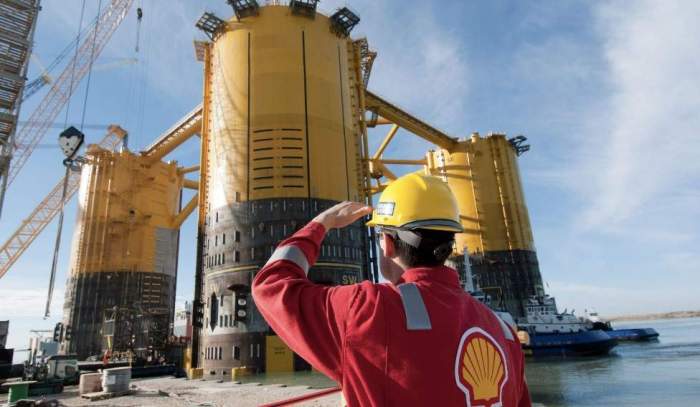
Photo: Google images
By Asif Aydinli
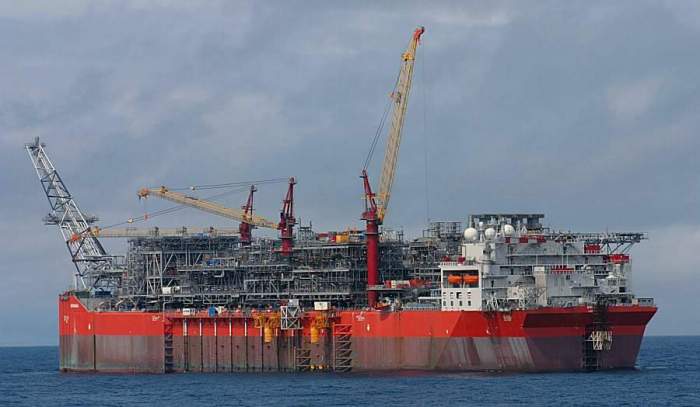
Shell Nigeria Exploration and Production Company Limited (SNEPCo), a subsidiary of Shell plc, has announced its Final Investment Decision (FID) for the deepwater Bonga North project. This $5 billion initiative marks a significant step in the development of Nigeria's oil and gas industry, supporting production at the Bonga field. This strategic move is set to reinforce Shell's position in deepwater exploration and production while contributing to the energy security and economic growth of Nigeria.The Bonga North project aims to boost oil and gas production at the major Bonga field, which has already proven to be pivotal for Nigeria. The project’s key elements include drilling and commissioning 16 wells (8 production and 8 injection wells), which will lay a solid foundation for sustainable production growth. Additionally, the project involves the modernization of the FPSO Bonga Main floating production, storage, and offloading facility, which has been operational for 19 years. This step will ensure the reliability of infrastructure for processing and transporting hydrocarbons. The installation of new subsea equipment will further enhance production efficiency and operational safety. The project is expected to deliver approximately 110,000 barrels of oil per day, with recoverable reserves estimated at over 300 million barrels of oil equivalent in the 2P category.
The Bonga field, located at a depth of over 1,000 meters within OML 118, was Nigeria’s first deepwater project. Spanning an area of 60 square kilometers, the field has been a game-changer for the country's oil sector since its production began in 2005. This milestone project increased Nigeria’s oil production by 10% at the time of its launch. The FPSO Bonga facility, with its production capacity of 225,000 barrels of oil per day, has been instrumental in maintaining high output levels. In 2023, the field reached a significant milestone, producing its one-billionth barrel of oil, a testament to its enduring value to Nigeria's economy and energy landscape.
The project’s partners include leading international companies, underscoring its global significance. SNEPCo holds a 55% stake and serves as the operator, while Esso Exploration and Production Nigeria Ltd. (20%), Nigerian Agip Exploration Ltd. (12.5%), and TotalEnergies Exploration and Production Nigeria Ltd. (12.5%) round out the consortium. This partnership reflects the collaboration required for such a large-scale initiative and highlights the trust placed in Nigeria’s deepwater resources.
The Bonga North project highlights Shell’s commitment to strengthening its position in deepwater operations, even as the company gradually divests its shallow-water and onshore assets in Nigeria. These efforts align with Shell’s broader strategy of optimizing its asset portfolio to focus on high-return, technologically advanced projects. However, the company’s exit from onshore and shallow-water operations has not been without complications. In October 2024, the Nigerian Upstream Petroleum Regulatory Commission (NUPRC) rejected Shell’s proposed sale of its subsidiary, Shell Petroleum Development Company of Nigeria Limited (SPDC), to the Renaissance Group consortium. The $1.3 billion deal, involving 15 onshore oil mining licenses and three shallow-water licenses, faced regulatory hurdles, adding uncertainty to Shell’s divestment strategy.
The challenges Shell faces in Nigeria are emblematic of broader issues in the global energy market. Security concerns have been a persistent challenge for oil companies operating in Nigeria, affecting onshore and shallow-water projects in particular. Moreover, aging infrastructure in the country necessitates significant investment to maintain production efficiency and safety. As climate-related policies and public pressure mount globally, companies like Shell are under increasing scrutiny to adopt sustainable practices while meeting rising energy demands.
Deepwater projects such as Bonga North offer a promising pathway for balancing these competing priorities. With high productivity and lower environmental risks compared to onshore operations, they represent a more sustainable model for resource development. By leveraging advanced technologies, deepwater initiatives can achieve greater efficiency and reduce operational risks, further enhancing their appeal to stakeholders.
The Bonga North project could serve as a blueprint for Shell’s adaptation to changing market conditions and global expectations. To ensure the long-term success of this initiative, Shell must address several key challenges. First, fostering stronger relationships with local regulators and partners is crucial. The rejection of the SPDC divestment deal underscores the need for more effective collaboration with Nigerian authorities to align corporate and national interests. Second, innovation must remain a cornerstone of Shell’s strategy. The modernization of the FPSO Bonga Main and installation of advanced subsea equipment are positive steps, but continuous investment in technology will be essential to maintain Shell's competitive edge in the evolving energy landscape.
Shell also faces the challenge of navigating the global energy transition. While deepwater projects like Bonga North are crucial for meeting near-term energy needs, the company must also invest in renewable energy and low-carbon technologies to remain relevant in the long term. Striking the right balance between traditional hydrocarbon projects and renewable energy initiatives will be critical for Shell’s sustainability and profitability.
The Final Investment Decision for the Bonga North project reaffirms Shell’s confidence in the potential of deepwater operations. The successful implementation of this project will not only support oil and gas production in Nigeria but also strengthen Shell’s position as a leader in offshore energy development. Moreover, it represents a significant contribution to Nigeria's economy, providing jobs, revenue, and technological advancements that benefit the broader industry.
However, the road ahead is not without obstacles. Regulatory hurdles, security concerns, and the broader global push for decarbonization will test Shell’s ability to adapt and innovate. If the company can navigate these challenges effectively, the Bonga North project will stand as a testament to Shell’s resilience and vision in an increasingly dynamic global energy market. By combining technical excellence with a commitment to sustainability, Shell has the opportunity to set a new standard for deepwater exploration and production in Nigeria and beyond.


Similar news