Thailand-Cambodia border calms after ceasefire, commanders hold talks


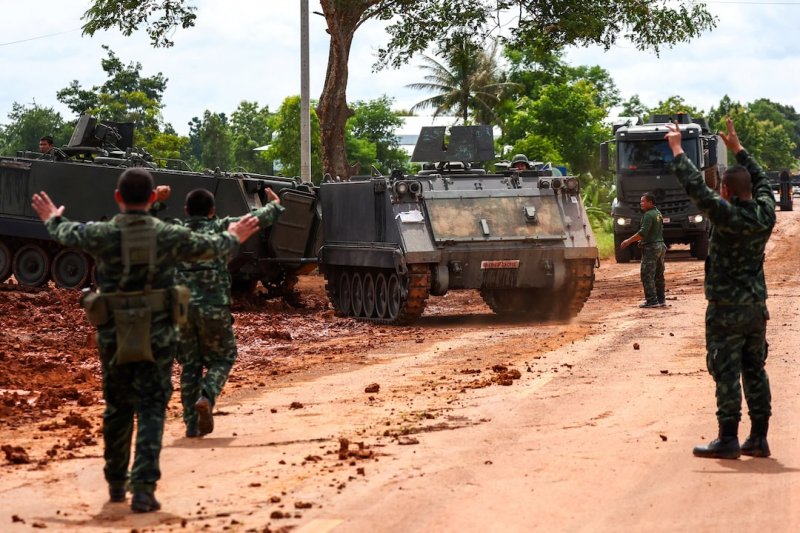
Calm has returned to the Thailand-Cambodia border after military leaders from both countries held talks on Tuesday, one day after their governments agreed to a ceasefire to end the deadliest cross-border conflict in over a decade.
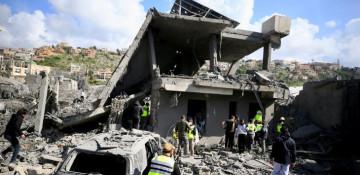
The ceasefire was brokered during urgent talks in Malaysia on Monday, following five days of intense fighting that killed at least 40 people—mostly civilians—and displaced more than 300,000 residents across both countries, News.Az reports, citing Reuters.
Despite reports of Cambodian troop activity in at least five locations early Tuesday—allegedly violating the midnight truce—military commanders from both sides met at the border to de-escalate tensions, Thai Army spokesperson Maj. Gen. Winthai Suvaree told reporters.
Commanders agreed to maintain the ceasefire, freeze troop movements, and coordinate the return of the wounded and deceased. Each side will form a joint task force of four officers to manage future incidents.
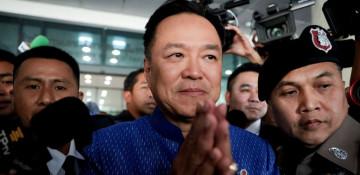
“There is no escalation. Right now things are calm,” said acting Thai Prime Minister Phumtham Wechayachai, who played a key role in securing the truce in Kuala Lumpur. Cambodia’s Defense Ministry also confirmed there were no new clashes reported on Tuesday.
In Thailand’s Sisaket province, near the frontline, residents cautiously began returning. Local shopkeeper Chaiya Phumjaroen, 51, reopened his store after learning of the ceasefire.
“I am very happy that a ceasefire happened,” he said. “If they continue to fight, we have no opportunity to make money.”
Across the border in Cambodia’s Oddar Meanchey province, evacuees like 63-year-old Ly Kim Eng awaited clearance to return home.
“If the authorities say it’s safe, I will go home immediately,” he said from a temporary shelter.
The two Southeast Asian neighbors have long disputed sections of their shared border. The latest escalation began in late May after a Cambodian soldier was killed in a skirmish, triggering a military buildup and diplomatic crisis.
Malaysia’s Prime Minister Anwar Ibrahim and U.S. President Donald Trump played key roles in pushing for peace. President Trump reportedly warned both governments that ongoing conflict would stall bilateral trade talks.


Similar news