Tragedy off Gambia’s coast highlights risks of irregular migration


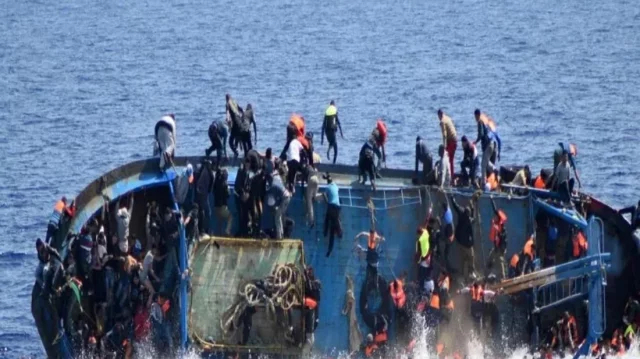
At least 39 people have died after a boat carrying migrants bound for Europe capsized off the coast of Gambia on New Year’s Eve, according to government officials. The vessel, described by survivors as "overcrowded and dilapidated," was attempting the perilous journey from West Africa to Spain via the Canary Islands, a route known as one of the deadliest in the world.
The Gambia Defense Ministry initially reported seven deaths, but the toll has risen as more bodies were recovered. Of the 39 victims, 24 were found in Gambian waters and 15 in neighboring Senegal. At least 112 people survived the sinking and were rescued. Passengers included citizens of Gambia, Senegal, Guinea, Mali, Ivory Coast, Burkina Faso, and Sierra Leone, News.Az reports, citing Reuters.
Survivors painted a vivid picture of the perilous conditions on board. Many were driven by poverty, unemployment, and the hope of better opportunities in Europe. “It's desperation driving me to risk my life, seeking better opportunities in Europe due to poverty and lack of prospects at home,” said survivor Sadibou Fatty, who emphasized the traumatic experience and the loss of friends and fellow passengers. Another survivor, Kajali Camara, noted that he was inspired by friends already living in Europe to attempt the dangerous crossing, seeking a way to support his family.
The tragedy underscores the broader challenges of irregular migration from West Africa. Gambia alone intercepted over 2,700 would-be migrants in 2025, reflecting both the scale of migration pressures and the increased preventive measures by local authorities in cooperation with European Union states. According to Frontex, the EU’s border agency, irregular migration along the West African route to Europe fell by 60% during the first 11 months of 2025, largely due to stronger border management and preventive efforts.
Despite the reduction in overall numbers, the risk to individuals attempting the crossing remains severe. Overcrowded and unsafe vessels, long journeys at sea, and limited emergency support create a deadly combination. The human stories emerging from this tragedy—people risking everything to escape poverty and seek a better life—highlight the urgent need for comprehensive approaches to migration, combining safety, legal pathways, and economic opportunities in home countries.
This incident is a stark reminder of the human cost of irregular migration and the ongoing socioeconomic challenges in the region. It also emphasizes the importance of regional and international cooperation in addressing both the causes and consequences of migration.


Similar news