Trump reveals AI vision for Miami presidential library


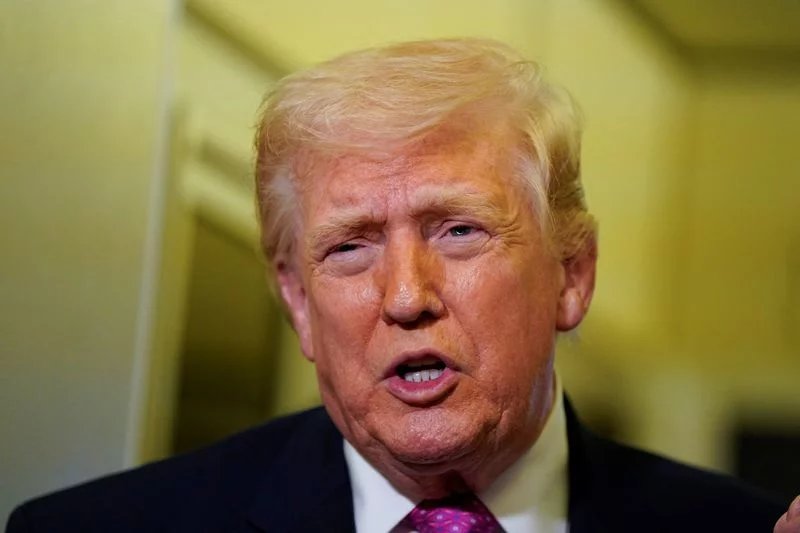
Donald Trump has unveiled an ambitious concept for a future presidential library in Miami, presenting an AI generated video that showcases a striking waterfront complex featuring aircraft displays and White House inspired architecture.
The proposal signals both a continuation of Trump’s signature branding style and the growing role of artificial intelligence in political communication.
RECOMMENDED STORIES
AI video reveals bold architectural concept
The video, shared on social media, depicts a towering structure in Miami with a prominent gold entrance, illuminated American flag elements, and the name “TRUMP” displayed near the top of the building.
Among the standout features shown in the concept are large interior exhibition spaces designed to house multiple aircraft, including what appears to be an Air Force One style plane, alongside a fighter jet and helicopter. The visuals also include replicas of iconic sections of the White House, as well as a monumental golden statue of Trump.
Although no formal architectural plans have been released, the concept reflects a highly stylised and symbolic approach to presidential legacy building.
Project funding and location
According to officials, donations are already being collected to support the project. The proposed site is described as a waterfront location in Miami, a city known for its high profile real estate developments and luxury skyline.
Eric Trump publicly endorsed the vision, describing it as a lasting tribute to his father and emphasising its significance as a landmark development.
At this stage, however, key details such as construction timelines, costs, and final design approval remain unclear.
Part of wider transformation plans
The library concept is one of several initiatives linked to Trump that aim to reshape major public spaces in the United States. These include proposals to add a large ballroom to the White House, construct a triumphal arch in Washington, and redevelop the Kennedy Center.
Together, these ideas reflect a broader vision focused on grand scale architecture and symbolic national landmarks.
AI confirmed as source of imagery
The video has been verified as AI generated using tools developed by Google. Analysis with the company’s SynthID detection system identified embedded watermarks indicating that the visuals were created using generative AI models.
This confirmation highlights the increasing sophistication of AI generated content and its expanding use in public and political messaging.
AI’s growing role in politics
The use of AI generated imagery is becoming more widespread in U.S. political campaigns and communications. Candidates and political organisations are increasingly deploying synthetic media, including so called deepfake videos, to promote narratives or criticise opponents.
This trend raises concerns about misinformation and the potential for manipulated content to influence public perception. At the same time, it reflects a shift toward more visually driven and digitally enhanced political storytelling.
What is a presidential library
Presidential libraries in the United States serve as repositories for documents, records, and historical materials from a president’s time in office. They are typically managed by the National Archives and Records Administration and often include museum exhibitions open to the public.
These institutions play an important role in preserving political history and providing educational resources for future generations.
Conclusion
The AI generated vision for a Trump presidential library underscores both the former president’s distinctive approach to branding and the evolving intersection of technology and politics. While the project remains in its conceptual stage, it has already drawn attention for its scale, design, and use of artificial intelligence.
As discussions around the development continue, the proposal is likely to remain a focal point in debates about political legacy, architecture, and the role of emerging technologies in shaping public narratives.
By Faig Mahmudov


Similar news