Ukraine–Russia war: Latest developments over the past week


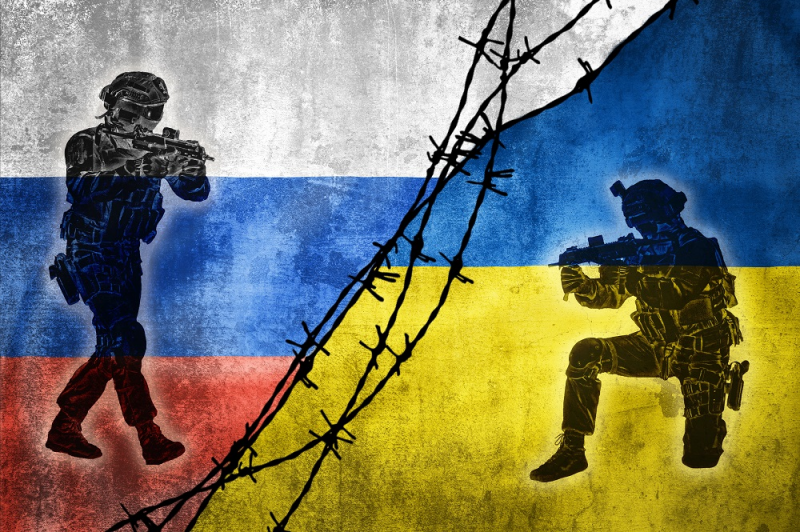
Over the past week, the Ukraine–Russia war has entered a new and highly sensitive phase, marked by simultaneous diplomatic activity and escalating military operations, News.az reports.
While negotiators work to refine the outlines of a possible peace framework, the reality on the battlefield continues to grow more tense. Kyiv, Washington and European allies are pushing for a political solution, yet developments on the ground underline how fragile and complex the situation remains.
Diplomacy reaches a critical juncture
In Geneva, emergency talks between the United States and Ukraine resulted in an updated and more balanced draft of a peace framework. This follows intense criticism of an earlier 28-point U.S. proposal that many in Kyiv and Europe viewed as overly accommodating to Russian demands. The revised version reportedly removes or softens clauses related to territorial concessions, military restrictions and limitations on Ukraine’s future alliance options.
Ukrainian President Volodymyr Zelenskyy stressed that any peace formula must “strengthen Ukraine, not weaken it”. Kyiv continues to insist on full sovereignty, strong long-term security guarantees, and accountability mechanisms addressing Russia’s actions since the invasion. European leaders have cautiously welcomed the diplomatic movement but emphasised that many details remain unresolved, especially concerning Ukraine’s security architecture once the war ends.
Russia, meanwhile, has stated that it has not received any formal documentation from the Geneva discussions. Moscow’s cautious public stance suggests it is waiting to see whether the emerging framework meets its strategic objectives, which include limiting Kyiv’s integration with Western security structures.
Military escalation despite talks
Even as negotiations advance, military operations have intensified. In a significant escalation, Ukraine carried out a deep strike on the Shatura power and heating station in Russia’s Moscow region. The attack disabled major transformers and cut heating to thousands of residents in sub-zero conditions. For Ukraine, the strike demonstrates both capability and intent: Kyiv is now willing to target high-value energy infrastructure far from the front lines.
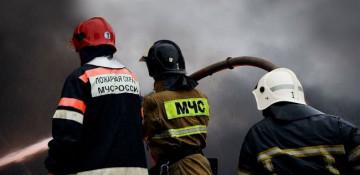
On the Ukrainian side, Russian forces conducted large-scale drone attacks against Kharkiv, destroying residential buildings and killing several civilians. Local authorities described the attack as one of the most powerful waves of drones in recent weeks. The strikes targeted energy infrastructure, apartment blocks and municipal services, leaving hundreds without heat or electricity.
The contrast between active diplomacy and intense battlefield escalation reflects a strategic reality: both sides are increasing pressure to shape the terms of an eventual settlement. Deep strikes into Russian territory and retaliatory attacks on Ukrainian cities increase both the risks and the stakes.
Economic and strategic ripple-effects
Global markets reacted to the week’s developments, with regional currencies in Central and Eastern Europe strengthening slightly amid hopes that diplomacy might eventually reduce the risk of wider escalation. Yet the war’s economic impact remains severe. The strike on Shatura highlighted the vulnerability of Russia’s energy grid and raised concerns about winter energy stability. For Ukraine, the attacks on Kharkiv and other regions reinforce the need for stronger air defence and emergency infrastructure.
Strategically, the past week marked a shift in the war’s character. Ukraine’s operations increasingly target Russian infrastructure deep inside national territory, signalling an evolution in its military doctrine. Russia is also recalibrating its drone and missile campaign, focusing on Ukrainian urban centres and logistics hubs to increase social and economic pressure.
The core dilemma: terms of peace vs terms of war
Diplomatically, the largest challenge remains identifying terms under which a durable peace can be established. The original U.S. draft triggered widespread criticism because it demanded that Ukraine reduce its armed forces, refrain from future NATO membership, and formally recognise territorial losses. The updated plan reportedly removes these red lines, strengthening Ukraine’s negotiating position.
Kyiv’s demands remain firm: no forced territorial concessions, no imposed limits on its future alliances, and no restrictions that would leave the country vulnerable to future attacks. Zelenskyy has repeatedly stated that Ukraine will not sign a deal that weakens its sovereignty.
European countries, while supportive of Ukraine, face growing fatigue after years of conflict, rising energy prices, and internal political pressure. As a result, they are working on parallel proposals to complement the U.S. framework and ensure that any eventual settlement provides long-term security and economic sustainability.
Russia’s position remains ambiguous. While it may be open to negotiations, it seeks guarantees that Ukraine will remain outside NATO, will limit its military capacity, and will acknowledge certain territorial realities created since 2014. Balancing these demands with Ukraine’s red lines is the central diplomatic challenge.
What lies ahead
The coming weeks will be critical. Winter conditions could slow ground operations but increase the humanitarian and logistical burdens on both sides. Ukraine will face challenges in maintaining electricity, heating and fuel supplies as Russian strikes intensify. Russia, meanwhile, must secure its own infrastructure as Ukrainian long-range capabilities expand.
Diplomatically, much depends on whether the updated Geneva framework becomes the basis for a wider negotiation involving European partners and, eventually, Russia. If the momentum continues, the war could see a significant political shift. If talks stall, escalation may increase, especially as both sides try to improve their tactical position before deeper winter sets in.
The broader global implications of the war—on European security, energy markets, Eurasian trade routes and international politics—ensure that every development is watched closely. Whether a peace agreement emerges soon or the conflict continues into 2026 will shape not only the future of Ukraine, but the wider international order.


Similar news