US dollar hits six-week high on rate hike bets, war fears


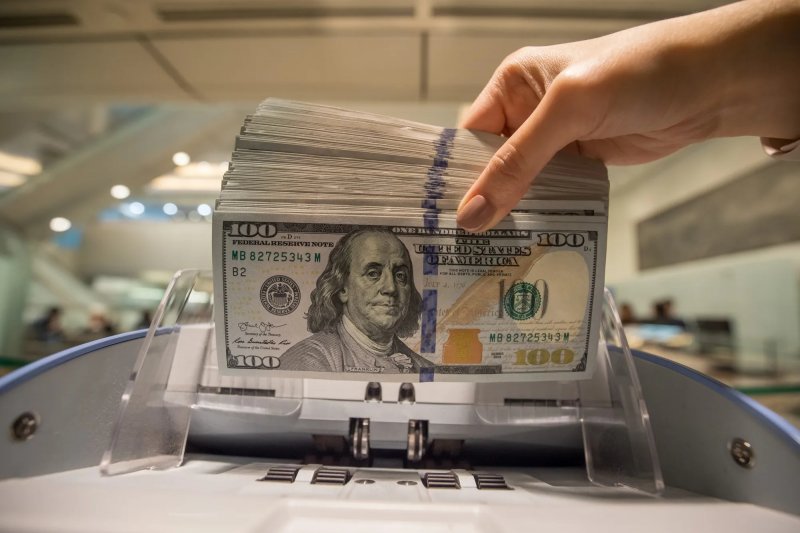
The U.S. dollar climbed to a six-week high on Wednesday as investors adjusted to the possibility of higher interest rates to combat inflation stemming from the Iran war, News.Az reports, citing Reuters.
Uncertainty over the duration of the conflict has heightened inflation concerns and triggered a global bond selloff, with the yield on the U.S. 30-year Treasury bond reaching its highest level since 2007.
President Donald Trump said the US may need to strike Iran again, while also suggesting Tehran is seeking a deal to end the war that has effectively closed the key Strait of Hormuz, sending energy prices higher and rattling global markets.
RECOMMENDED STORIES
The dollar index, which measures the currency against six major peers, rose 0.1% to 99.47—its highest since April 7—before easing to trade flat at 99.32.
The index is up more than 1% in May, supported by safe-haven demand and growing expectations that the Federal Reserve could raise interest rates by the end of the year.
The euro slipped to a six-week low of $1.158 before recovering to trade largely unchanged. The British pound also held steady at $1.3401.
The Australian dollar, often viewed as a gauge of global risk sentiment, rose 0.3% after falling 0.9% in the previous session.
Traders are now pricing in more than a 50% chance of a Fed rate hike by December, according to CME FedWatch, a sharp reversal from expectations of two rate cuts earlier in the year before the war escalated. Market attention is now focused on minutes from the Federal Reserve’s latest meeting due later.
Analysts said rising U.S. bond yields have been the main driver behind the dollar’s strength.
“There is scope for yields to move further higher,” said Derek Halpenny, senior currency analyst at MUFG.
“While we maintain that the Fed will ultimately hike by less than many other G10 central banks, market pricing remains relatively low at this juncture—especially with the risks of a further jump in crude oil prices building.”
Brent crude futures fell 1.9% to $109.20 per barrel but remained around 50% higher than levels seen in late February before the war began.
The dollar’s strength has also pushed the Japanese yen back toward the 160 level, a threshold that previously prompted Japanese authorities to intervene in currency markets for the first time in nearly two years.
Tokyo stepped in at the end of April and early May to support the yen, according to sources, though the currency’s gains did not last long.
The yen was last flat at 159.02 per dollar as investors weighed comments from U.S. Treasury Secretary Scott Bessent.
Bessent told Reuters on Tuesday he was confident Bank of Japan Governor Kazuo Ueda would take necessary action if given sufficient independence, signaling Washington’s preference for further policy tightening in Japan.
“Near term, excessive volatility is key while 160/161 remains the line to watch,” said Christopher Wong, currency strategist at OCBC.
He added that intervention risk may limit further yen weakness, but unless U.S. Treasury yields and the broader dollar soften, official action is likely to only temporarily slow the trend rather than reverse it.
By Nijat Babayev


Similar news