US mineral push faces militant threat in Pakistan


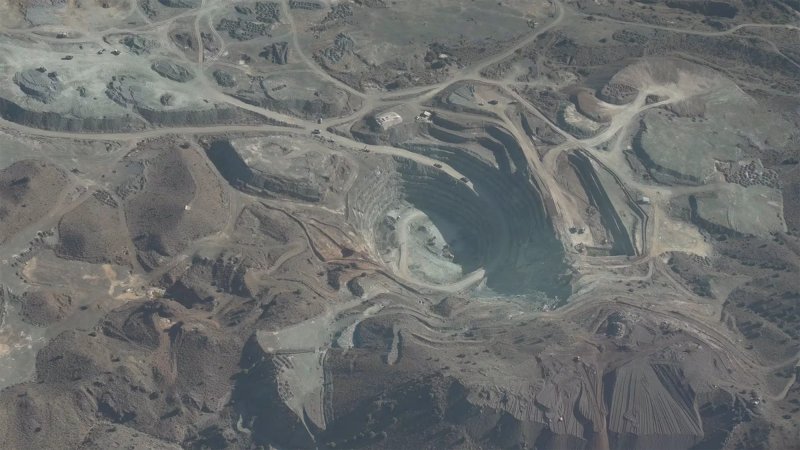
The United States is stepping up efforts to secure access to critical minerals in Pakistan, but security challenges and militant activity in key mining regions are emerging as major obstacles, according to reporting from the region.
Pakistan says it holds vast reserves of strategic resources, including copper, lithium, cobalt, gold and rare earth elements, potentially worth trillions of dollars. These minerals are essential for modern technologies such as electric vehicles, artificial intelligence hardware, renewable energy systems and defense equipment, News.Az reports, citing CNN.
The interest has drawn attention from Washington, where securing supply chains for critical minerals has become a major strategic priority. The U.S. has already supported mining development projects in Pakistan, including financing tied to major copper projects believed to contain some of the world’s largest undeveloped reserves.
RECOMMENDED STORIES
However, many of these resources are located in regions affected by long-running militant insurgencies, particularly near the Afghanistan border and in Balochistan province. Security officials say militant groups operating in these areas have gained access to advanced weapons, complicating efforts to stabilize mineral-rich zones.
Reports from Pakistani security sources and journalists suggest that U.S.-made weapons, originally supplied to Afghan security forces during the U.S. war in Afghanistan, have been captured or circulated among militant groups after the 2021 U.S. withdrawal. These reportedly include assault rifles, machine guns, sniper rifles and night-vision equipment.
Security officials say the improved firepower has changed the nature of conflicts in the region. Medical personnel in affected areas report seeing more long-range gunshot injuries and sniper-related wounds compared with earlier years, when improvised explosive devices were more common.
Militant activity has also increased in recent years. Pakistani military data indicates that militant attacks rose significantly after 2021, with more than a thousand people reportedly killed in attacks in 2025, including civilians and security personnel.
The security risks have direct implications for mining and infrastructure projects. Some routes to mining zones are considered too dangerous for civilian or commercial travel, while large military deployments are now common near key sites.
At the same time, the global race for critical minerals is intensifying. China currently dominates rare earth refining and processing globally, giving it major influence over supply chains for advanced technologies. In response, U.S. policy has increasingly focused on diversifying supply sources through partnerships with countries rich in natural resources.
Pakistan has actively promoted its mineral potential in diplomatic engagement, highlighting copper reserves that could supply a significant share of global demand. Experts say global copper demand could rise sharply by 2050 as electrification and digital infrastructure expand worldwide.
Despite security challenges, both U.S. and Pakistani officials say cooperation is expected to continue. Military and counterterrorism cooperation between the two countries has expanded, including joint training and coordination against militant groups operating near strategic infrastructure.
Analysts say the situation highlights a complex intersection of geopolitics, energy transition, supply chain security and regional instability. While mineral resources could transform Pakistan’s economic outlook, sustained security risks remain a major factor shaping how quickly projects can move forward.
For now, the competition for critical minerals is unfolding not only through trade and diplomacy, but also in fragile regions where local security conditions directly affect global supply chains.
By Aysel Mammadzada


Similar news