Victory, pragmatism, and the price of peace in the South Caucasus


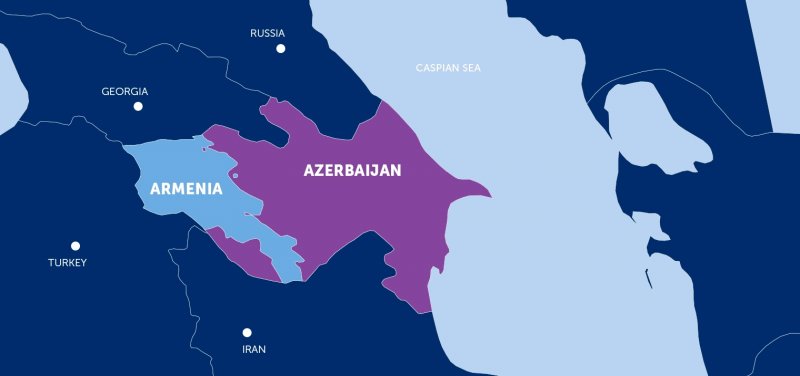
The 44-day Patriotic War of 2020 was not merely a military campaign for Azerbaijan. Under the leadership of President Ilham Aliyev, it became a defining moment that reshaped the country’s historical trajectory and recalibrated the political, economic, and security architecture of the South Caucasus. The restoration of Azerbaijan’s territorial integrity did more than correct a long-standing injustice—it turned abstract principles of international law into enforceable reality.
Yet the true significance of that victory lies not only in what was reclaimed, but in how Azerbaijan has chosen to use its newfound leverage. Military success created a new status quo, but Baku has deliberately avoided the temptations of revanchism. Instead, it has pursued a strategy that combines strength with pragmatism, and deterrence with diplomacy.
This approach challenges a deeply rooted assumption in post-Soviet conflicts: that victory inevitably breeds exclusion and perpetual hostility. Azerbaijan has taken a different path. While continuing to document and internationalize Armenia’s wartime crimes—missile strikes against civilians, deliberate destruction of towns and villages—it has simultaneously advanced a peace agenda rooted in economic logic and regional integration.
One of the clearest expressions of this policy is Azerbaijan’s decision to allow transit cargo to pass through its territory to Armenia. On the surface, this is a technical and commercial move. In reality, it is a political signal. It demonstrates that peace is not an abstract slogan but a process built through practical steps, even with a former adversary. Critics may dismiss such measures as transactional, yet it is precisely transactions that create habits of cooperation and reduce incentives for renewed confrontation.
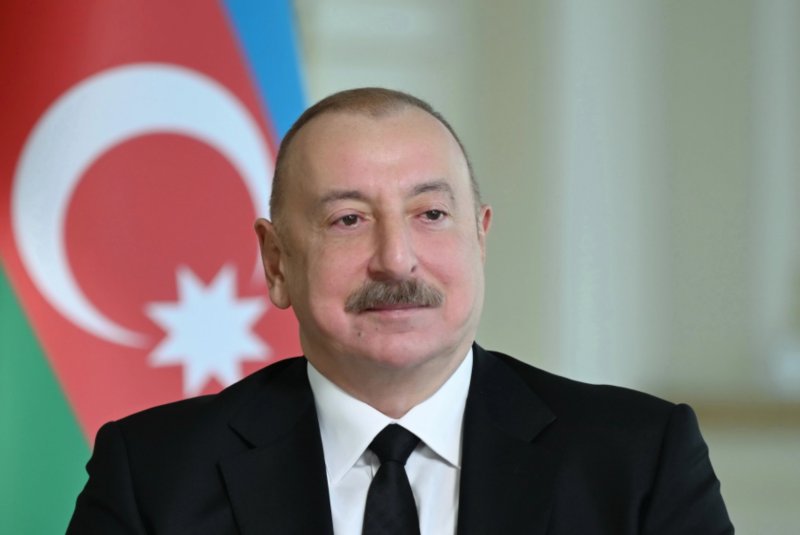
The early results are already visible. Armenia has begun transporting grain from Russia and Kazakhstan via Azerbaijan, and, more notably, has started importing Azerbaijani goods. This marks a quiet but significant shift. Economic ties create interdependence, and interdependence reshapes political behavior. For a country long constrained by energy and transport dependence on a single external partner, diversification is not merely an economic choice—it is a strategic necessity.
Energy cooperation illustrates this point with particular clarity. Armenia’s fuel imports remain heavily dominated by Russian supplies, despite domestic demand that makes diversification unavoidable. Azerbaijani petroleum products, with competitive pricing and lower logistics costs, offer a viable alternative. Their entry into the Armenian market would not only reduce costs but also alter the balance of influence in ways that traditional geopolitical tools cannot.
Transport corridors further reinforce this trend. Attempts by Yerevan to revive old railway connections underscore a growing recognition that isolation is no longer sustainable. But the regional transport map has changed. The South Caucasus is no longer defined by a single axis of dependency. Trans-Caspian routes and East–West corridors are becoming central to European and Asian connectivity, and Azerbaijan sits at the heart of this transformation.
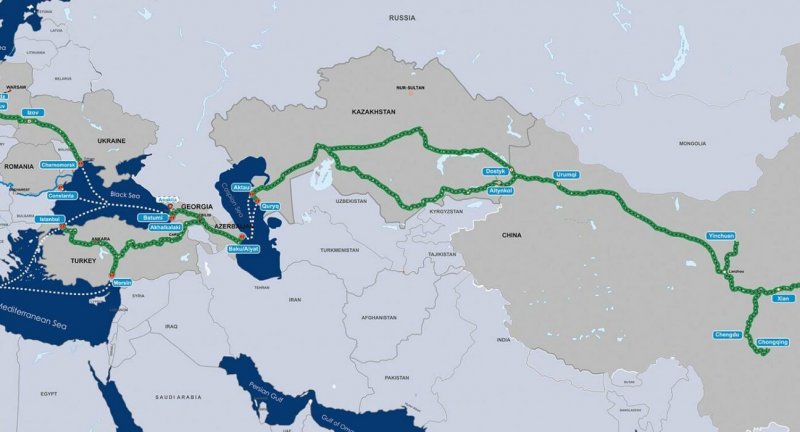
In this context, Armenia’s eventual integration into transport routes passing through Azerbaijani territory appears less a political concession than an economic inevitability. The Zangezur Corridor, in particular, represents more than infrastructure. It is a test case for whether post-conflict regions can move from zero-sum thinking to shared interests.
The broader lesson is clear. Azerbaijan’s victory did not end with the battlefield. Its strategic impact continues to unfold through policies that combine firmness with openness. By leveraging its position to promote economic cooperation, humanitarian gestures, and regional connectivity, Baku is redefining what post-war leadership looks like in the South Caucasus.
Peace, in this model, is not built on sentiment or historical amnesia. It is built on power tempered by restraint, and on the understanding that sustainable stability emerges when former enemies find it more profitable to cooperate than to confront.
Rovshan Sayyaroglu
The material was prepared with the financial support of the Media Development Agency of the Republic of Azerbaijan.


Similar news