Wake up and smell the coffee, Ethiopian farmers urge


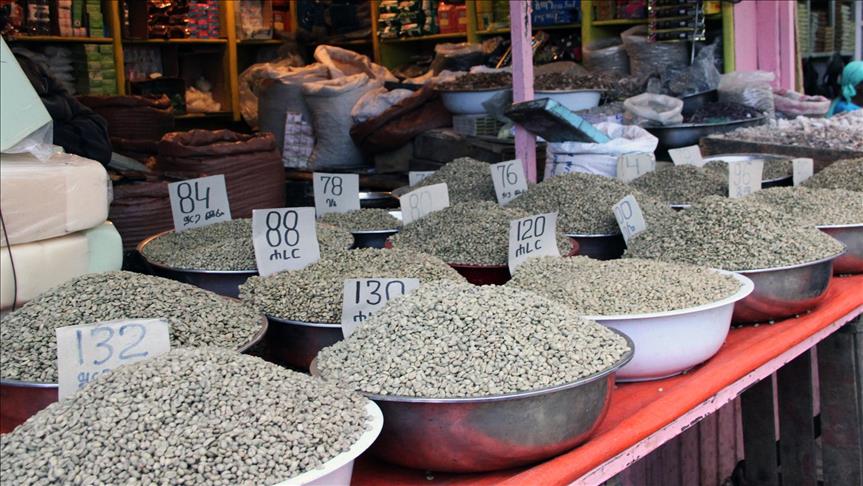
When you enjoy a warm cup of coffee from a cafe run by an international chain like Starbucks, you may hardly realize that the unique flavor may be coming out of Ethiopia.
You are also unlikely to hear the refrain of millions of coffee farmers in the eastern Africa nation, the majority of who do not reap the benefits of their hard-earned produce, according to Anadolu Agency.
For every kilogram of coffee beans an Ethiopian farmer sells for $3, it is estimated that people up in the supply chain make around $200.
There are an estimated 15 million farmers who produce 270,000 tonnes (297,600 tons) of coffee in Ethiopia, the fifth-largest producer in the world after Brazil, Vietnam, Columbia and Indonesia.
Around 95 percent of the coffee is produced by small farmers like 68-year-old Selkamo Kemissa, who work in their own farms and sell their produce to middlemen. These intermediaries are widely suspected of short changing them on the huge profit margins.
Kemissa told Anadolu Agency the Arabica coffee produced on his farm near the small town of Shebedino Woreda -- located around 315 kilometers (196 miles) southeast of capital Addis Ababa -- ends up in multinational chains like Starbucks, where a single cup of coffee could cost as much as what he gets for a kilogram or even more.
“I have been toiling away at this coffee farm for over 30 years,” he said. “It is a mother tree of our life and the only source of our income for generations.”
Selkamo hopes to produce at least 6,000 kg (6.6 tons) of marketable beans from his yearly harvest. He employs around 20 farmhands four times a year and pays them a dollar and a meal per day.
After payment of daily wages and other expenses, he hopes to fetch around $23,500, or about $4 per kilogram, for his produce. However, while his hopes are high, he knows well that he deserves more for his hard work.
“For generations, the middlemen and traders have been getting richer and richer, while we have been pushed to an abyss of poverty and helplessness,” he said.
News.Az


Similar news