What happened to Michael Jackson’s Neverland Ranch


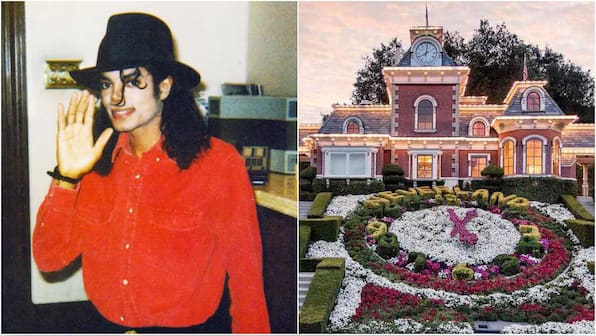
Once a symbol of fame and fantasy, Michael Jackson’s Neverland Ranch has undergone a dramatic transformation since its peak as one of the world’s most recognizable celebrity estates.
Located in Los Olivos, California, the sprawling 2,700-acre property was purchased in 1988 by Michael Jackson, who renamed it Neverland after the fictional world in Peter Pan. He turned it into an elaborate private amusement estate, featuring rides, a zoo, a miniature train, and themed gardens — a place designed to reflect childhood wonder and escape, News.Az reports, citing foreign media.
For years, Neverland became inseparable from Jackson’s public image, symbolizing both his extraordinary wealth and his complex relationship with fame and childhood.
RECOMMENDED STORIES
However, the estate’s meaning shifted sharply after legal controversies in the 2000s. Following his 2005 trial, in which he was acquitted of child molestation charges, Jackson left the property and never returned. Reports at the time said he felt the ranch had become associated with painful scrutiny and media attention.
The estate was later renamed Sycamore Valley Ranch and changed ownership, marking the end of its era as a private fantasyland. Over time, much of the amusement infrastructure was removed, and the property was gradually restructured away from its original theme park design.
Despite its physical transformation, Neverland has remained tied to public debate around Jackson’s legacy. In 2003, the ranch was searched during a police investigation into allegations involving a minor, as reported by major outlets at the time. Jackson was later acquitted in 2005.
Years after his death in 2009, renewed attention returned with the release of the documentary Leaving Neverland, which included allegations from individuals claiming they had been abused at the estate — claims that Jackson’s estate has consistently denied.
Today, the property is no longer the fantasy world it once was. It exists as a privately owned estate with its original amusement features largely gone, but its cultural and historical significance continues to draw global curiosity and debate.
By Aysel Mammadzada


Similar news