What is behind the gunshots in the Philippine Senate?


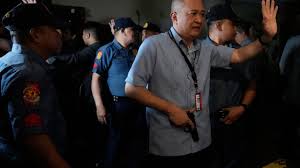
Gunshots rang out near the Philippine Senate in a shocking security incident that triggered panic, raised concerns about political violence, and prompted an immediate response from law enforcement authorities.
According to initial reports, the shooting occurred in the vicinity of the Senate complex, alarming lawmakers, staff members, journalists, and visitors in the area. Security personnel quickly moved to secure the premises as authorities launched an investigation into the incident.
RECOMMENDED STORIES
While details surrounding the motive, casualties, and suspects continued to emerge, the event immediately drew national attention because the Philippine Senate is one of the country’s most important political institutions.
The incident also reignited debate about political security, public safety, gun violence, and tensions surrounding Philippine politics.
What is the Philippine Senate?
The Philippine Senate is the upper chamber of the Congress of the Philippines.
It is composed of 24 senators elected nationally and plays a major role in passing laws, conducting investigations, approving treaties, reviewing government actions, and overseeing executive power.
The Senate has historically been one of the country’s most influential political institutions and often serves as a venue for major political debates and high profile investigations.
Because of its national importance, any security threat linked to the Senate receives widespread attention.
What is known about the shooting?
Authorities initially released limited details while investigations got underway.
Reports indicated that gunshots were heard near the Senate complex, leading security forces to respond rapidly.
Investigators are expected to determine who fired the shots, whether anyone was injured, whether specific individuals were targeted, and whether the incident was politically motivated or linked to criminal activity.
Police and security agencies usually seal off affected areas during investigations to gather evidence and assess possible threats.
Were lawmakers inside the Senate at the time?
Reports suggested that Senate personnel and officials were present in the area when the incident occurred, although the exact number of lawmakers inside the complex depended on the legislative schedule.
Security protocols generally require immediate lockdown procedures when gunfire or threats are detected near government buildings.
These procedures may include securing entrances and exits, restricting movement, evacuating certain areas, deploying additional security personnel, and coordinating with police forces.
Authorities usually prioritize protecting lawmakers, employees, journalists, and visitors.
Was the shooting politically motivated?
At the early stages of investigations, authorities generally avoid confirming political motives until sufficient evidence is collected.
However, because the incident occurred near a major political institution, speculation quickly emerged regarding whether the shooting was linked to political disputes, personal grievances, criminal activity, or attempts at intimidation.
The Philippines has a long history of politically charged violence, particularly during election periods and times of heightened political tension.
Investigators typically examine all possible motives before reaching conclusions.
How common is political violence in the Philippines?
Political violence has historically been a serious issue in parts of the Philippines.
The country has experienced incidents involving election related violence, political assassinations, armed clan conflicts, insurgent attacks, extremist violence, and gun related crimes.
While major government institutions in Metro Manila are heavily protected, violent incidents connected to politics or security concerns occasionally occur.
Election seasons in particular have often seen heightened tensions in certain regions.
How did security forces respond?
Security personnel reportedly moved quickly after the gunshots were heard.
Standard emergency responses near government institutions usually involve deploying armed officers, establishing security perimeters, evacuating vulnerable areas, conducting searches, restricting access, reviewing surveillance footage, and coordinating with intelligence agencies.
Authorities also often issue public advisories to prevent panic and misinformation.
In high profile incidents, additional police and military units may be deployed temporarily around government buildings.
Why is security around the Senate especially important?
The Senate is considered a highly sensitive political institution because it hosts lawmakers, public investigations, major debates, and oversight activities involving the national government.
Protecting the Senate is critical not only for physical safety but also for preserving political stability and public confidence in democratic institutions.
Any attack or security breach near such institutions can create broader national concern.
How does the Philippines regulate firearms?
The Philippines has firearm regulations requiring licenses and permits for legal gun ownership.
However, illegal firearms remain a challenge in some parts of the country.
Authorities have long struggled with issues including illegal gun trafficking, private armed groups, organized crime, insurgent weapons networks, and election related firearms.
Gun violence remains an important public security issue.
Could the incident affect Philippine politics?
Security incidents near major political institutions often carry political consequences.
Depending on investigation results, the shooting could influence discussions surrounding public security, gun control, political tensions, government protection measures, and law enforcement effectiveness.
Opposition groups and government officials may also debate whether security failures occurred or whether additional protective measures are needed.
How do incidents like this affect public confidence?
Violence near political institutions can undermine public confidence by creating fears about government stability, institutional security, and public safety.
Even if no lawmakers were harmed, the symbolism of gunfire near the Senate can create strong public reactions because it touches on concerns about national stability and democratic resilience.
Has the Philippine Senate faced security threats before?
Like many major government institutions worldwide, the Philippine Senate has experienced heightened security concerns at various times.
These concerns have included political protests, bomb threats, demonstrations, security alerts, and terror related warnings.
The Philippines has also faced long running security challenges involving insurgent groups and extremist organizations, leading authorities to maintain strong security protocols around state institutions.
What broader security challenges does the Philippines face?
The Philippines faces a range of complex security issues, including communist insurgencies, Islamist militant groups, organized crime, drug related violence, political clan conflicts, illegal firearms, and cyber threats.
Although many regions remain stable, authorities continue confronting localized security problems in certain parts of the country.
Urban centers like Metro Manila also require extensive security coordination because of their political and economic importance.
How do authorities investigate shootings near government institutions?
Investigations into incidents near political institutions are usually extensive and involve multiple agencies.
Authorities may examine ballistics evidence, witness testimony, security camera footage, vehicle records, communications data, forensic evidence, and possible suspects’ backgrounds.
Counterterrorism and intelligence agencies may also become involved if authorities suspect broader threats.
Could this lead to tighter security measures?
Yes. Security incidents often prompt governments to strengthen protective measures around sensitive institutions.
Possible responses may include additional checkpoints, expanded police presence, enhanced screening procedures, temporary lockdown measures, increased surveillance, and security reviews.
Officials may also reassess vulnerabilities in existing protection systems.
How do political tensions affect security risks?
Periods of intense political polarization can increase security concerns because emotions surrounding political disputes may escalate.
The Philippines has experienced highly charged political periods involving election campaigns, corruption investigations, constitutional debates, and public protests.
Although democratic institutions continue functioning, security agencies often remain alert during politically sensitive periods.
What role does the media play during incidents like this?
Media organizations play a critical role in providing updates, verifying information, countering rumors, and reporting official statements.
However, during rapidly developing incidents, misinformation can spread quickly through social media.
Authorities often urge the public to rely on verified information sources while investigations continue.
What happens next?
Authorities are expected to continue investigating the circumstances surrounding the shooting.
Key next steps likely include identifying suspects, reviewing evidence, assessing security vulnerabilities, determining motives, and issuing official findings.
Political leaders may also call for calm while urging accountability if criminal wrongdoing is confirmed.
Bottom line
Gunshots near the Philippine Senate triggered immediate security concerns and renewed debate about political violence, public safety, and institutional protection in the country.
Although investigations are still developing, the incident highlights the sensitivity surrounding threats involving major democratic institutions.
The event has drawn national attention because of the Senate’s central role in Philippine politics and the broader concerns it raises about security, stability, and public confidence in government institutions.
By Faig Mahmudov


Similar news