What is hantavirus? How to protect yourself from this virus?


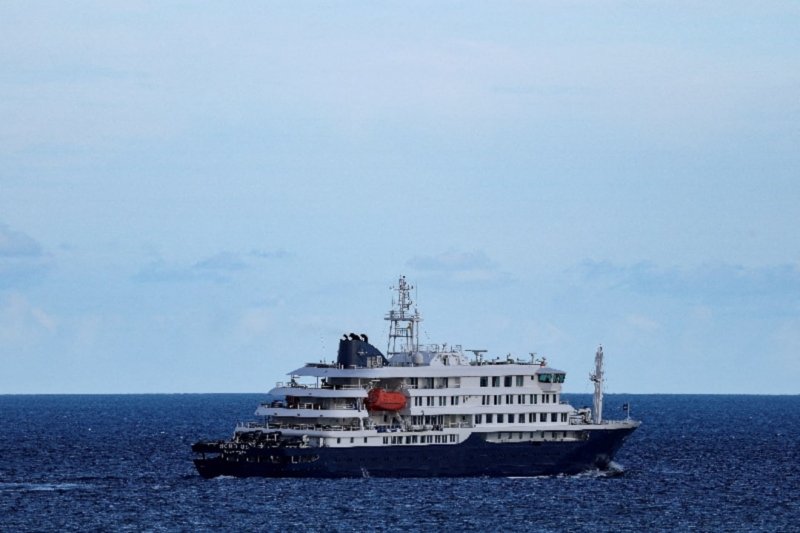
Health authorities are monitoring an outbreak of the Andes strain of hantavirus linked to the luxury cruise ship MV Hondius in the Atlantic Ocean.
As of the latest reports, 11 confirmed cases had been identified among people connected to the ship, with three deaths reported.
RECOMMENDED STORIES
Dozens of additional passengers are also being monitored after returning to nearly 20 countries.
The outbreak has attracted international attention because of similarities people associate with the early days of the COVID 19 pandemic, especially the involvement of a cruise ship, quarantine measures, and fears of international spread.
However, global health officials stress that the situation is very different from COVID and that the current public health risk remains low.
What is hantavirus?
Hantavirus refers to a group of viruses primarily spread by rodents.
Humans can become infected through contact with rodent urine, droppings, saliva, or contaminated dust particles.
Different hantavirus strains exist in different parts of the world.
The outbreak linked to the Hondius involves the Andes strain, which is mainly found in parts of Argentina and Chile.
Most hantavirus infections do not spread easily between humans.
The Andes strain is unusual because limited person to person transmission has occasionally been documented in South America.
This is one reason health officials are taking the outbreak seriously.
Why are people comparing this to COVID?
Several factors are triggering memories of the COVID pandemic.
The outbreak involves a cruise ship, which immediately reminds many people of the early COVID outbreak aboard the Diamond Princess in 2020.
During that crisis, hundreds of passengers became infected and several people died while the ship was quarantined off Japan.
Images of quarantined passengers, protective equipment, testing procedures, and international monitoring are emotionally familiar to many people.
Health experts say these memories are creating anxiety online even though the current outbreak is far smaller and much less dangerous globally.
Some social media users are already expressing fears about lockdowns, masks, and travel restrictions returning.
Public health officials insist those fears are not justified by the current evidence.
How dangerous is the Andes strain of hantavirus?
The Andes strain can be serious and potentially fatal.
It may cause hantavirus pulmonary syndrome, a severe disease affecting the lungs and respiratory system.
Symptoms can begin with fever, fatigue, muscle pain, headaches, and nausea before progressing to breathing difficulties.
Some cases can become life threatening.
However, unlike COVID 19, hantavirus does not spread easily through casual human interaction.
The virus has circulated in South America for decades, and health officials say there is currently no evidence that the outbreak involves a mutated or significantly changed strain.
Experts emphasize that the virus is dangerous but not highly transmissible like COVID.
How do people usually catch hantavirus?
Most people become infected through exposure to infected rodents or their waste.
This can happen when contaminated dust particles are inhaled in enclosed areas such as cabins, sheds, campsites, or storage spaces.
The Andes strain is different from many other hantaviruses because limited human to human transmission has occasionally been documented.
Transmission generally requires very close and prolonged contact with infected individuals.
Health officials continue investigating exactly how the cases aboard the Hondius spread.
Why are health officials worried about misinformation?
Public health experts fear misinformation could spread faster than the virus itself.
Since the outbreak became public, conspiracy theories and false claims have already appeared online.
Some social media posts falsely describe hantavirus as more dangerous than COVID 19 or claim it is connected to vaccines.
Others promote unproven remedies such as ivermectin, vitamin D, or zinc without scientific evidence.
Health officials say misinformation during COVID severely damaged public trust and complicated emergency responses.
As a result, authorities are trying to communicate more transparently and quickly during the hantavirus outbreak.
Experts say they are attempting to balance caution with reassurance.
What lessons are health officials trying to apply from COVID?
Many officials say they learned important communication lessons from the COVID pandemic.
During COVID, governments were often criticized for delayed responses, inconsistent messaging, poor transparency, and conflicting advice.
That contributed to mistrust of institutions and increased political polarization.
Now, health authorities say they are trying to communicate earlier, acknowledge uncertainties openly, and address misinformation rapidly.
Officials from organizations including the World Health Organization and the European Centre for Disease Prevention and Control say they are focusing heavily on public communication strategy.
They are also trying to show empathy toward public fears while emphasizing that the situation is not comparable to COVID.
What has the WHO said about the outbreak?
WHO officials have repeatedly stressed that the current risk to the public remains low.
WHO Director General Tedros Adhanom Ghebreyesus even issued an open letter to residents of Tenerife after the Hondius docked there.
In the letter, Tedros emphasized that “this is not another COVID.”
The WHO has also held regular press briefings and online question and answer sessions to combat misinformation.
Health officials say they want to avoid both unnecessary panic and dangerous complacency.
Why did the cruise ship dock in Tenerife?
The Hondius docked in Tenerife under strict infection control procedures.
Passengers reportedly disembarked while being monitored by health officials.
The arrival of WHO representatives and Spanish authorities created visible reminders of pandemic era emergency responses, contributing to public anxiety.
Some local residents said the situation brought back memories of the COVID pandemic even though officials repeatedly stressed the risks were much lower.
How many people have died?
As of the latest reports, three people linked to the outbreak had died.
Eleven confirmed cases were identified among passengers connected to the Hondius.
Authorities continue monitoring additional passengers across multiple countries.
Health officials are tracing contacts and assessing whether any additional infections emerge.
Could this outbreak become a pandemic?
Health experts currently say a pandemic is highly unlikely.
Unlike COVID 19, hantavirus is not easily spread between people.
The Andes strain has occasionally shown limited human transmission, but experts say it does not possess the characteristics needed for rapid global spread.
Scientists also note that established containment measures already exist for hantavirus.
The virus itself is not new and has circulated in South America for decades.
Health authorities say there is no evidence of a significantly altered or more transmissible version emerging from the current outbreak.
Why are cruise ships often associated with outbreaks?
Cruise ships create environments where infections can spread more easily because many people live in close proximity for extended periods.
Passengers share dining spaces, cabins, ventilation systems, and recreational facilities.
This makes outbreak control more complicated.
The COVID pandemic strongly reinforced public associations between cruise ships and infectious disease outbreaks.
As a result, any health incident involving a cruise vessel now tends to attract heightened public attention.
However, experts stress that the current hantavirus outbreak differs fundamentally from highly contagious airborne viruses like COVID.
Are lockdowns or travel restrictions expected?
No.
Health officials have not indicated any plans for lockdowns, mass travel bans, or large scale restrictions related to the outbreak.
Experts say the risk profile is completely different from COVID 19.
The current response focuses mainly on monitoring exposed individuals, contact tracing, testing, and providing information to travelers and healthcare systems.
Authorities continue emphasizing that the outbreak is serious but contained.
What symptoms should people watch for?
Early symptoms of hantavirus infection may resemble flu like illness.
These can include fever, fatigue, headaches, muscle aches, nausea, abdominal pain, and dizziness.
In more severe cases, breathing problems and respiratory distress may develop.
People who were aboard the Hondius or had close contact with infected individuals are being advised to monitor symptoms carefully and seek medical attention if needed.
Health officials say ordinary members of the public currently face very low risk.
Why are experts concerned about public trust?
One major lesson from COVID was the importance of maintaining public confidence in health institutions.
Several studies showed trust in public health agencies declined during the pandemic due to inconsistent messaging, politicization, and misinformation.
Experts now fear that even relatively small outbreaks can trigger disproportionate panic or conspiracy theories because trust remains fragile.
Health authorities are therefore trying to improve transparency, explain uncertainties honestly, and communicate scientific evidence more clearly.
Many officials say rebuilding public trust may be just as important as managing the virus itself.
What happens next?
Health agencies will continue monitoring passengers, tracing contacts, and studying how transmission occurred aboard the Hondius.
Scientists are also examining whether the outbreak involved any unusual factors.
So far, experts say the virus samples do not show meaningful differences from existing Andes strain hantaviruses found in South America.
Authorities expect additional monitoring and testing to continue over the coming weeks.
For now, global health organizations continue emphasizing the same message: the outbreak deserves attention and caution, but there is no evidence it represents another COVID style global threat.
By Faig Mahmudov


Similar news