What is the Guthrie case and why it has drawn national attention


The Guthrie case refers to the disappearance of Nancy Guthrie, an elderly woman whose sudden absence triggered an extensive law enforcement response and widespread public concern.
From the moment authorities confirmed she was missing the case quickly moved beyond a routine investigation. Her age the unusual circumstances surrounding her disappearance and the intensity of the search efforts elevated the story into national focus.
RECOMMENDED STORIES
Missing person cases involving older adults carry particular urgency. Health risks mobility limitations and the possibility of outside involvement all raise the stakes. In this case investigators moved swiftly to secure potential evidence and follow leads across multiple locations. As the days passed and answers remained limited public attention intensified.
The case became especially prominent because it combined elements of uncertainty fear and urgency. With no immediate resolution each new development became closely watched. The search in Rio Rico represents one of the most significant investigative steps taken so far.
Who is Nancy Guthrie
Nancy Guthrie is an elderly woman whose disappearance prompted an extensive investigation by local and federal authorities. Described by those familiar with the case as someone with established routines her sudden absence was immediately viewed as out of character.
Age plays a critical role in how investigators assess risk. Older adults may face medical vulnerabilities that make prolonged absence especially dangerous. This reality influenced how quickly resources were deployed and why investigators expanded their focus beyond the immediate area where she was last seen.
While many personal details have been kept private out of respect for the family the central concern has remained the same. Authorities are working to determine where she is and what circumstances led to her disappearance.
When and how was she reported missing
Nancy Guthrie was reported missing after family members and acquaintances were unable to account for her whereabouts and noticed irregularities that raised alarm. Once the report was filed law enforcement initiated standard missing person protocols which include verifying last known movements contacting associates and examining the immediate environment.
Early steps in such cases are critical. Investigators work to establish a timeline and identify any anomalies that could indicate foul play or distress. In this case initial checks did not produce quick answers prompting authorities to escalate the investigation.
As time passed without confirmation of her safety the case moved into a more intensive phase involving broader searches and interagency coordination.
What does the search in Rio Rico involve
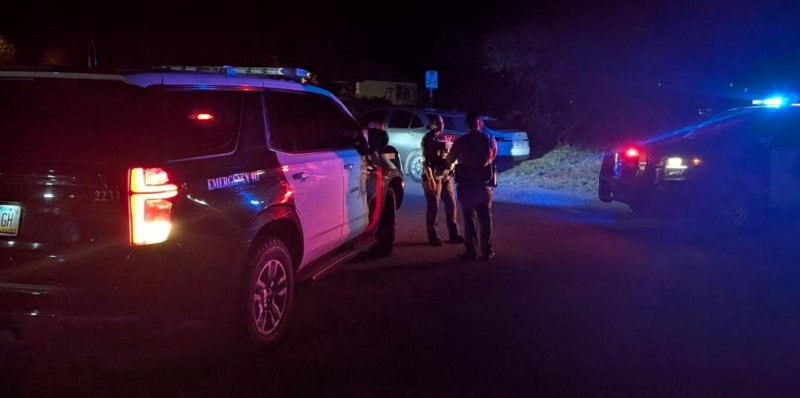
The search underway in Rio Rico involves law enforcement officers conducting a focused operation at and around a specific location believed to be connected to the investigation. Officers secured areas of interest examined property and reviewed surroundings for any evidence that could shed light on the case.
Such searches are typically based on tips surveillance review or investigative analysis. Authorities do not conduct large scale operations without reason. The presence of multiple agencies suggests the lead was considered credible enough to justify significant resources.
Importantly a search does not automatically mean that investigators believe the missing person is located there. Searches are often exploratory steps meant to confirm or eliminate possibilities.
Why was Rio Rico identified as a location of interest
Investigators have not publicly disclosed the precise reason Rio Rico became a focal point. However in missing person investigations locations are often identified through a combination of data analysis witness statements and tip evaluation.
Rio Rico lies within southern Arizona and includes both residential areas and open terrain. Such environments can become points of interest when investigators track movements or analyze possible routes.
Law enforcement emphasized that every credible lead must be examined thoroughly. The decision to conduct a search there reflects the seriousness with which authorities are pursuing all available information.
Which agencies are involved in the search
The operation in Rio Rico includes local law enforcement with support from federal partners. This level of cooperation indicates the complexity of the case and the need for specialized resources.
Federal involvement can provide technical expertise advanced forensic capabilities and broader jurisdictional reach. When agencies collaborate it allows investigators to work more efficiently and share information quickly.
This cooperative approach is common in high profile or potentially cross jurisdictional cases. It does not imply a specific conclusion but rather ensures the investigation is comprehensive.
Was anyone detained or questioned in connection with the search
As part of the investigation a man was detained for questioning in the Rio Rico area. Detention for questioning is a standard investigative tool and does not automatically imply guilt.
Authorities later released the individual without filing charges. Officials clarified that questioning individuals is a routine step used to gather information verify timelines and eliminate possibilities.
Law enforcement stressed that no suspects have been formally identified. The release underscores the principle that detention for questioning is not the same as arrest.
Does the release mean the lead was false
Not necessarily. Investigations often involve questioning individuals who may have relevant information even if they are not directly involved. Releasing someone after questioning can mean that their information was verified or deemed not relevant to wrongdoing.
Leads can still contribute to an investigation even if they do not result in charges. Each interaction helps investigators refine their understanding of events and narrow the scope of inquiry.
The process is iterative. Eliminating one possibility allows investigators to focus on others with greater clarity.
What type of evidence are investigators looking for
In a missing person case investigators look for a wide range of evidence. This can include physical traces personal belongings digital records and environmental indicators.
During a search officers may examine outdoor areas structures vehicles and surrounding terrain. They may also collect data for later forensic analysis.
Evidence does not have to be dramatic to be meaningful. Small details can help reconstruct movements or confirm whether a location was visited.
Why searches can take many hours
Search operations are methodical by design. Rushing can lead to missed evidence or contamination of scenes. Investigators must carefully document findings and follow established procedures.
Large properties or open areas require systematic coverage. Teams often work in coordinated patterns to ensure no area is overlooked.
The length of a search reflects thoroughness rather than delay. In complex cases patience is essential.
Has Nancy Guthrie been located
As of the latest update authorities have not confirmed locating Nancy Guthrie. The investigation remains active and ongoing.
Officials have cautioned against drawing conclusions from individual search operations. Each step is part of a broader process aimed at building a complete picture.
The absence of confirmation does not mean progress has stalled. Many cases develop incrementally with breakthroughs occurring after sustained effort.
Why officials limit public information
Law enforcement often restricts information to protect the integrity of the investigation. Revealing too much too early can compromise leads influence witnesses or spread misinformation.
Protecting privacy is also a factor particularly in cases involving vulnerable individuals and families.
While this can be frustrating for the public it is a standard practice intended to increase the likelihood of a successful outcome.
How tips from the public influence the case
Public tips play a significant role in missing person investigations. Witnesses may recall details that initially seemed unimportant or recognize connections after media coverage.
Authorities encourage the public to share relevant information but caution against speculation. Verified tips are assessed alongside other evidence.
In many cases public input helps identify locations or individuals investigators might not otherwise reach.
What challenges do investigators face in this case
Several challenges complicate the Guthrie case. Time is a critical factor particularly given the age of the missing person. Environmental conditions and geographic spread add complexity.
Distinguishing credible leads from noise is another challenge. High profile cases generate large volumes of information that must be carefully filtered.
Despite these obstacles investigators continue to pursue all reasonable avenues.
How missing person cases typically progress
Missing person cases often move through phases. Initial response focuses on immediate safety. Subsequent phases involve deeper analysis and expanded searches.
Cases can change direction as new information emerges. What begins as a local inquiry can become multi location or multi agency.
Persistence is key. Many cases are resolved after extended investigation rather than immediate discovery.
Why this case resonates with the public
The Guthrie case resonates because it touches on universal fears and concerns. The disappearance of an elderly person raises questions about safety vulnerability and community responsibility.
People imagine how they would respond if a loved one vanished. This empathy drives attention and concern.
Public engagement can be both helpful and challenging requiring careful management by authorities.
What families experience during such investigations
Families of missing persons endure intense emotional stress. Uncertainty can be more difficult than confirmed outcomes.
Law enforcement often works closely with families while maintaining professional boundaries. Support services may be offered to help families cope.
Respect for the family is a guiding principle in responsible coverage and discussion.
What happens after a search concludes
After a search investigators review findings analyze collected material and reassess next steps. A concluded search does not mean the investigation ends.
Results may prompt follow up searches interviews or forensic work. Each operation informs the next phase.
Investigations are dynamic and evolve with each piece of information.
What the Rio Rico search signals
The search in Rio Rico signals that investigators are actively pursuing leads beyond the initial scope of the case. It demonstrates commitment and adaptability.
Rather than indicating resolution it reflects momentum. Authorities are following evidence wherever it leads.
This approach increases the chances of uncovering critical information.
What to expect next
Future developments may include additional searches interviews or updates from law enforcement. Timelines are difficult to predict.
Authorities will continue to evaluate tips and data. Public updates will be provided when appropriate.
Patience remains essential as the investigation unfolds.
Why caution is important in public discussion
Speculation can harm investigations and individuals. Sharing unverified claims may mislead or cause distress.
Responsible discussion focuses on confirmed information and respects the investigative process.
Authorities repeatedly emphasize this point in active cases.
What success would look like in this case
Success would mean locating Nancy Guthrie and clarifying the circumstances of her disappearance. Ideally it would result in her safe return.
Even if outcomes are difficult resolution provides answers and closure.
Investigators remain focused on this goal.
Conclusion
The search underway in Rio Rico represents a significant chapter in the Guthrie case. It highlights the complexity of missing person investigations and the dedication required to pursue them.
While many questions remain unanswered the continued efforts demonstrate that the case is active and evolving.
As authorities follow leads and gather information the focus remains clear. Finding Nancy Guthrie and understanding what happened is the priority.
By Faig Mahmudov


Similar news