Who is Nemesio Oseguera Cervantes


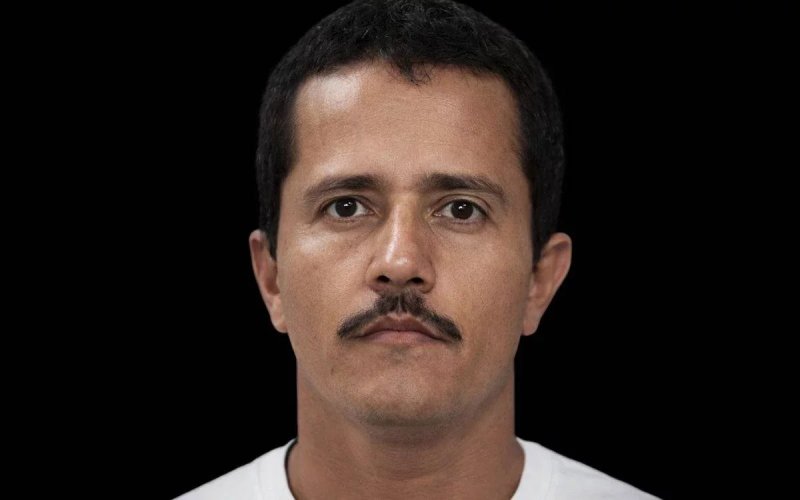
Nemesio Oseguera Cervantes, widely known by the alias El Mencho, is described by Mexican and United States authorities as one of the most powerful and elusive drug traffickers of the past two decades.
He is identified as the top leader of the Jalisco New Generation Cartel, commonly known as CJNG. Under his leadership, the group evolved from a regional armed faction into a transnational criminal network with influence across Mexico and beyond.
RECOMMENDED STORIES
Nemesio Oseguera Cervantes is a Mexican national accused by authorities of leading CJNG, one of the most powerful and violent criminal organizations in the country. He is better known by his alias El Mencho, a name that became synonymous in media reporting with high intensity cartel violence and rapid territorial expansion. Authorities in both Mexico and the United States have described him as a high priority target due to his alleged role in trafficking large quantities of illicit drugs, including synthetic opioids.
Where was he born and what is known about his early life
Publicly available accounts describe Oseguera Cervantes as having been born in the state of Michoacán, Mexico, in the mid 1960s. Michoacán has long been a region marked by migration, agriculture, and periods of cartel competition. Details about his early life are limited and sometimes inconsistent across sources. As with many figures who later become cartel leaders, narratives about youth and early involvement in crime are often reconstructed from law enforcement documents rather than verified personal accounts.
It is broadly reported that he spent part of his early adulthood in the United States and later returned to Mexico, where his involvement in organized crime deepened over time.
How did he enter organized crime
Authorities allege that Oseguera Cervantes initially became involved in criminal networks connected to drug trafficking during the late twentieth century. He was reportedly linked at various times to earlier cartel structures that operated before the fragmentation of Mexico’s older trafficking organizations.
The period from the 1990s to the early 2000s was marked by the breakdown of dominant cartels into smaller, more violent factions. It is within this environment of fragmentation and competition that Oseguera Cervantes is said to have built alliances and gained operational experience. His rise is often associated with the decline of older cartel figures and the creation of new power structures in western Mexico.
What is the Jalisco New Generation Cartel
The Jalisco New Generation Cartel is widely described by security analysts as one of the fastest growing and most militarized criminal organizations in Mexico in the past decade. Originating in the state of Jalisco, the group expanded aggressively into multiple regions and became known for rapid territorial expansion, open confrontations with security forces, high profile displays of force, and control over synthetic drug production and trafficking routes.
Unlike some earlier cartels that operated more discreetly, CJNG developed a reputation for public shows of strength, including heavily armed convoys and coordinated blockades.
Why is he considered so powerful
Oseguera Cervantes is considered powerful for several reasons. Under his leadership, CJNG extended its influence into numerous Mexican states and reportedly established international distribution channels. The group has often been described as centralized, with a strong command structure that allowed coordinated actions.
Authorities allege involvement not only in drug trafficking but also in extortion, fuel theft, and other illicit revenue streams. The organization also capitalized on the global rise of synthetic drugs, particularly fentanyl and methamphetamine, which require different production logistics compared to plant based narcotics.
What role does fentanyl play in his profile
In recent years, the synthetic opioid fentanyl has become central to North American drug policy debates. Authorities in the United States have linked CJNG to the production and trafficking of fentanyl into US markets.
Synthetic opioids are chemically manufactured rather than cultivated. This changes the supply chain dynamic. Production can occur in smaller, more concealed laboratories, and precursor chemicals can be sourced internationally. Oseguera Cervantes’ alleged leadership in an organization linked to fentanyl trafficking elevated his status as a high priority target for US law enforcement agencies.
Why has he been such a difficult target to capture
Cartel leaders often rely on layered protection systems that include compartmentalized communication, rotating security teams, rural and mountainous safe havens, corruption networks, and rapid relocation strategies. Oseguera Cervantes reportedly avoided frequent public appearances and maintained strict operational security. His ability to remain at large for years contributed to a reputation for elusiveness.
High profile operations against cartel leaders can fail due to intelligence gaps, local support structures, or rapid escape routes.
Has he faced charges in the United States
United States authorities have filed criminal charges against him in federal courts, accusing him of drug trafficking conspiracy and related offenses. He has been named on most wanted lists, and substantial financial rewards have been offered for information leading to his capture. Cross border legal action is common in cases involving large scale trafficking networks because distribution often spans multiple jurisdictions.
How did CJNG rise so quickly compared to older cartels
The rapid rise of CJNG can be understood within the broader fragmentation of Mexico’s cartel landscape. When older, more centralized cartels splintered, opportunities emerged for new groups to seize abandoned territories, recruit defectors from weakened rivals, adopt more aggressive expansion tactics, and exploit synthetic drug markets.
CJNG distinguished itself by combining violent enforcement with structured operational expansion. It reportedly absorbed or defeated smaller local groups in multiple regions.
What distinguishes CJNG from other cartels
Analysts often note several distinguishing features, including public displays of firepower, high mobility, use of social media propaganda, and emphasis on rapid retaliation. While many criminal groups use violence, CJNG gained a reputation for large scale coordinated disruptions such as road blockades using burning vehicles. These tactics create immediate public impact and complicate security force movements.
Is he the sole decision maker in the organization
While media narratives often focus on a single leader, large criminal organizations typically operate with multiple layers of command. Even if Oseguera Cervantes is identified as the top leader, the organization likely includes regional commanders, financial managers, logistics coordinators, and enforcement units. This layered structure is one reason why removing a single leader does not automatically dissolve the organization.
How does leadership targeting affect cartels
Leadership targeting, sometimes referred to as a decapitation strategy, aims to disrupt coordination and weaken command structures. However, research on organized crime suggests mixed outcomes. Possible consequences include short term retaliation, internal succession struggles, fragmentation into rival factions, and temporary instability. In some cases, removal of a leader weakens a cartel long term. In others, it triggers cycles of violence as factions compete.
What is his public image in Mexico
Public perception varies. To many citizens, Oseguera Cervantes represents a symbol of violent criminal power and the insecurity associated with cartel competition. In some local contexts, criminal groups attempt to cultivate reputations as providers of protection or economic support, though such narratives coexist with fear and coercion. Media portrayal often emphasizes his status as one of the most wanted figures in the country.
Why is his name frequently mentioned in international reporting
His prominence in international media stems from alleged fentanyl trafficking links, large reward offers, high profile confrontations with security forces, and the rapid growth of CJNG. When synthetic opioids became central to political debate in the United States, leaders of groups allegedly involved in that trade received increased coverage.
Has there been violence linked to efforts to capture him
Operations targeting high level cartel leaders often trigger retaliation. Such retaliation can include road blockades, vehicle burnings, attacks on infrastructure, and armed confrontations. These tactics are designed to distract security forces and demonstrate capacity.
What happens inside a cartel after a leader is removed
Several scenarios are possible. A clear successor may consolidate power quickly. Multiple factions may compete violently. The group may fragment into smaller cells. The state may exploit the disruption to weaken the network. Which scenario unfolds depends on internal cohesion, external pressure, and financial resilience.
How does his case reflect broader trends in organized crime
Oseguera Cervantes’ rise reflects broader trends such as fragmentation of older cartels, shift toward synthetic drug production, increased militarization of criminal groups, and use of public intimidation tactics. It also highlights the transnational dimension of organized crime, where supply chains cross borders and law enforcement cooperation becomes essential.
Why do cartel leaders adopt aliases like El Mencho
Aliases serve multiple purposes including operational anonymity, brand recognition within criminal networks, cultural signaling, and myth building. Nicknames can become powerful symbols, sometimes amplifying reputation beyond actual operational reach.
How do authorities verify identity in such cases
Identification typically involves biometric comparison, forensic analysis, and cross referencing intelligence databases. Public announcements may be delayed until identity confirmation is complete, especially in high profile cases.
What does his profile mean for Mexico’s security outlook
The prominence of Oseguera Cervantes underscores the challenge of dismantling complex criminal organizations. Even when high level figures are targeted, underlying structural drivers remain, including demand for illicit drugs, access to precursor chemicals, regional economic disparities, and corruption vulnerabilities. Addressing organized crime requires a combination of enforcement, financial disruption, social policy, and international cooperation.
Why does his story resonate globally
His story intersects with the fentanyl crisis in North America, debates over cartel designation policies, questions about cross border enforcement, and concerns over migration and trade routes. Because these issues have international implications, the figure at the center of a major trafficking network naturally draws global attention.
Is he unique or part of a pattern
While his rise is significant, it fits within a recurring pattern in organized crime history. A leader emerges during fragmentation, the group expands rapidly, the leader becomes internationally known, authorities intensify targeting, and the organization adapts or fragments. Understanding this pattern is essential to evaluating both risks and policy responses.
What should readers take away
Nemesio Oseguera Cervantes is described by authorities as a central figure in one of Mexico’s most powerful criminal organizations. His trajectory illustrates how modern cartels evolve, how synthetic drug markets reshape criminal economies, and how leadership targeting interacts with broader structural forces. Whether viewed through the lens of law enforcement, public safety, or geopolitical analysis, his case represents a key chapter in the ongoing struggle between states and transnational organized crime networks.
By Faig Mahmudov


Similar news