Why are long standing fast food restaurants struggling to survive today?


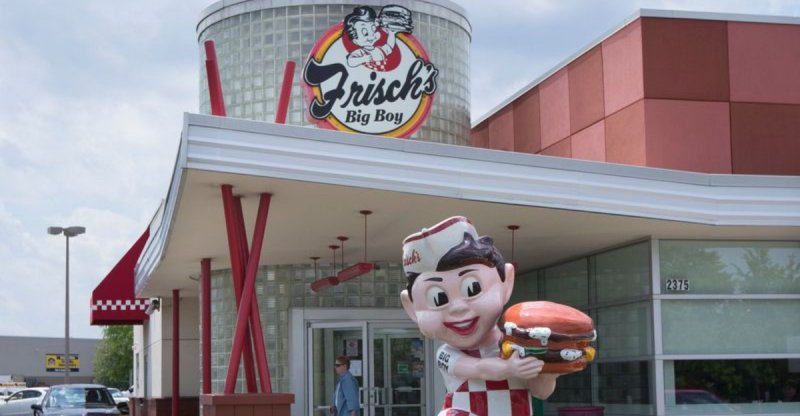
A long standing regional burger chain that had operated for nearly eight decades has shut down one of its historic locations, bringing an end to a 79 year presence in its community.
The restaurant had been part of the local dining culture since the late 1940s and was widely recognized as a homegrown alternative to global fast food giants.
RECOMMENDED STORIES
Although the brand itself may still exist in limited form elsewhere, the closure of such a long running flagship site has drawn attention because of its symbolic importance. It represents not just the end of a single restaurant but the closing chapter of a business model that once defined the early fast food era.
Why is this closure receiving so much attention?
The closure has resonated widely because it highlights the disappearance of a type of restaurant that once played a central role in local economies and social life. Businesses that operated continuously for several generations were once common, especially in North America and parts of Europe, but they are becoming increasingly rare.
A 79 year run is significant in any industry. In fast food, where competition is intense and margins are often thin, such longevity reflects resilience, adaptability, and strong community ties. When a business like this shuts down, it raises broader questions about whether similar establishments can survive in the current economic and technological environment.
What made this restaurant different from global chains?
Unlike multinational fast food corporations, this restaurant was rooted in a specific locality. Its identity was built around familiarity, tradition, and consistency rather than aggressive expansion or standardization.
Key characteristics included a stable menu that changed little over time, a strong connection with repeat customers who often visited for decades, and ownership that remained within the same family or local network. These features created a sense of continuity and trust but also limited the ability to scale or modernize rapidly.
In contrast, global chains operate on standardized systems that allow them to replicate the same experience across thousands of locations. This model prioritizes efficiency, brand recognition, and adaptability to global trends.
Why did the restaurant close after so many years?
There is rarely a single reason behind the closure of a long standing business. Instead, it is usually the result of several overlapping factors that gradually reduce viability.
One major factor is generational transition. Family owned businesses often face challenges when ownership passes from one generation to the next. Younger successors may have different priorities or may not wish to continue operating in a demanding industry.
Another factor is changing consumer behavior. Customers today expect convenience, digital ordering options, fast service, and consistent quality. Restaurants that cannot meet these expectations may lose relevance, even if they have strong historical reputations.
Rising costs also play a crucial role. Food prices, labor expenses, rent, and utilities have all increased significantly in recent years. For smaller operations without large scale purchasing power, these costs can become unsustainable.
Finally, competition from large chains and newer fast casual concepts creates constant pressure. Businesses must continuously innovate to stay competitive, which requires investment and strategic planning.
Is this part of a wider trend in the industry?
Yes, this closure reflects broader structural changes in the fast food and restaurant industry. Around the world, there is a noticeable shift toward consolidation, where larger companies expand their dominance while smaller players struggle to survive.
Many chains are closing underperforming locations and focusing on efficiency. At the same time, new brands are entering the market with technology driven models that prioritize delivery, mobile ordering, and streamlined operations.
Traditional dine in burger restaurants are particularly vulnerable because they are caught between fast food convenience and fast casual quality. This middle ground is becoming harder to sustain.
How has technology changed the competitive landscape?
Technology has transformed how restaurants operate and how customers interact with them. Digital ordering platforms, mobile applications, and delivery services have become essential components of modern food businesses.
Large chains have invested heavily in these technologies, allowing them to offer seamless customer experiences and collect valuable data to optimize operations. Smaller businesses often lack the resources to implement similar systems at scale.
Automation is another factor. Self service kiosks, automated kitchens, and advanced logistics systems are reducing costs and increasing efficiency for large operators. This creates a widening gap between multinational corporations and independent establishments.
What role does consumer behavior play in these closures?
Consumer preferences have shifted significantly over the past two decades. Speed and convenience are now top priorities for many customers. The rise of delivery apps and takeaway culture has reduced the importance of traditional dine in experiences.
Price sensitivity has also increased. In times of economic uncertainty, consumers tend to favor brands that offer consistent value. Large chains can leverage economies of scale to keep prices competitive, while smaller restaurants may struggle to match them.
At the same time, there is growing demand for variety, customization, and healthier options. Restaurants that do not adapt their menus to these trends risk losing customers to more innovative competitors.
Are independent restaurants disappearing entirely?
Independent restaurants are not disappearing, but they are evolving. The traditional model of a single location operating with minimal change over decades is becoming less common.
Instead, new independent businesses are emerging with flexible and adaptive strategies. Many focus on niche markets, unique culinary concepts, or experiential dining. Others leverage social media and digital platforms to build strong brand identities.
Success in this environment often depends on the ability to innovate and respond quickly to changing trends. Static business models are increasingly difficult to sustain.
What economic factors are influencing the restaurant industry?
The closure of long standing restaurants is closely linked to broader economic conditions. Inflation has increased the cost of ingredients, transportation, and energy. Labor shortages have driven up wages and made staffing more challenging.
Real estate costs have also risen in many areas, putting additional pressure on businesses with fixed locations. At the same time, fluctuations in consumer spending affect revenue stability.
These factors create a challenging environment, especially for smaller businesses that lack financial reserves or access to capital.
How does scale impact survival in the fast food sector?
Scale provides significant advantages in the fast food industry. Large chains can negotiate better prices with suppliers, invest in technology, and spread costs across many locations.
They also benefit from strong brand recognition, which reduces marketing expenses and attracts consistent customer traffic. Data analytics allow them to optimize operations and respond to market trends more effectively.
Smaller businesses, by contrast, often rely on local customer bases and limited resources. While this can create strong community ties, it also makes them more vulnerable to external pressures.
What happens to the space after a restaurant closes?
In most cases, restaurant spaces are quickly repurposed. The food service industry remains highly dynamic, with new concepts constantly entering the market.
A closed location may be taken over by another restaurant, converted into a different type of business, or redeveloped entirely. This reflects the ongoing demand for commercial space and the continuous evolution of urban and suburban economies.
Does nostalgia play a role in keeping old restaurants alive?
Nostalgia can be a powerful factor in attracting customers, especially for businesses with long histories. Many people value the sense of continuity and tradition that such establishments provide.
However, nostalgia alone is rarely sufficient to ensure long term survival. Emotional connections must be complemented by operational efficiency, competitive pricing, and adaptation to modern expectations.
Businesses that rely solely on their history without evolving may struggle to remain relevant.
What lessons can be learned from this closure?
The closure of a 79 year old restaurant offers several important lessons for the industry. Adaptation is essential. Businesses must continuously update their operations, technology, and offerings to meet changing demands.
Succession planning is critical for family owned enterprises. Clear strategies are needed to ensure continuity or to manage transitions effectively.
Differentiation is also important. Competing directly with large chains on price and efficiency is difficult, so smaller businesses must focus on unique value propositions.
Finally, resilience requires financial planning and flexibility. The ability to withstand economic fluctuations is key to long term survival.
Will more historic restaurants close in the future?
It is likely that more long standing restaurants will face similar challenges. As the industry continues to evolve, businesses that cannot adapt may find it difficult to compete.
However, this does not mean the end of local dining culture. New businesses will continue to emerge, bringing fresh ideas and approaches to the market.
The restaurant industry has always been dynamic, with cycles of growth, decline, and renewal.
What does this mean for the future of fast food?
The fast food industry is entering a new phase characterized by technological integration, changing consumer expectations, and increased competition.
Hybrid models that combine elements of fast food and fast casual dining are becoming more common. Delivery and takeaway services are expanding, while traditional dine in formats are being reimagined.
Sustainability is also gaining importance. Consumers are increasingly concerned about environmental impact, prompting businesses to adopt more responsible practices.
Automation and artificial intelligence are expected to play larger roles in operations, further transforming the industry.
Why does this story matter beyond one restaurant?
The closure of a single restaurant might seem like a local event, but it reflects global trends that affect millions of businesses and consumers.
It highlights the tension between tradition and innovation, between local identity and global standardization. It also underscores the challenges faced by small and medium sized enterprises in an increasingly competitive environment.
Understanding these dynamics provides insight into how economies evolve and how industries adapt to change.
Final analysis
The shutdown of a McDonald’s rival after 79 years is not simply the end of a restaurant. It is a marker of transformation in the fast food industry and in the broader economic landscape.
For decades, local burger chains represented a particular era of dining culture. They offered familiarity, consistency, and a sense of community. Today, those qualities are being reshaped by new technologies, new business models, and new consumer expectations.
The future of the industry will likely be defined by a balance between efficiency and experience, between global reach and local authenticity. Businesses that can navigate this balance will have the greatest chance of success.
In this context, the closure serves as both a reminder of the past and a signal of what lies ahead.
By Faig Mahmudov


Similar news