Why “Early voting” suddenly became one of the most searched phrases


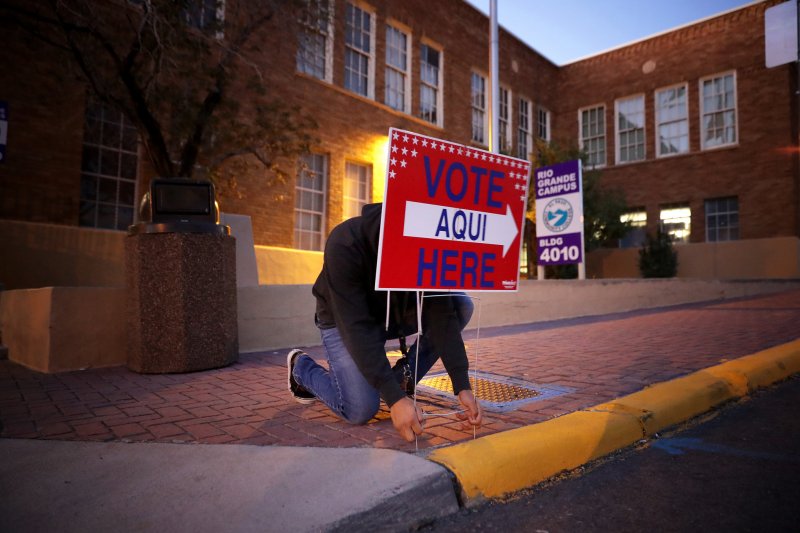
The sharp rise in searches for “Early voting” reflects a recurring but increasingly significant moment in modern democratic life.
hile the concept itself is not new, sudden spikes in public interest usually signal heightened political activity, approaching elections, or changes to voting rules that affect how and when citizens can cast their ballots.
RECOMMENDED STORIES
This FAQ explainer examines what early voting is, why it generates intense search interest, how it shapes modern elections, and why it continues to matter across political systems and societies.
What is early voting
Early voting refers to the practice of allowing eligible voters to cast their ballots before the official election day. It can take several forms, including in person voting at designated locations, advance polling days, or extended voting periods leading up to an election.
The core idea is to provide flexibility. Voters are not limited to a single day and can participate at a time that suits their schedules.
Why did searches for early voting increase suddenly
Search interest in early voting typically surges when election timelines approach or when authorities announce changes to voting procedures.
People often search for early voting information to answer practical questions: when it starts, where voting locations are, who is eligible, and what identification is required. Sudden spikes suggest that voters are preparing to participate or reacting to new announcements.
In many cases, search increases also reflect heightened political engagement or concern about access to the ballot.
Why early voting matters more than ever
Modern life has become more complex, with work schedules, travel and family obligations making it harder for some citizens to vote on a single designated day.
Early voting addresses these challenges by expanding access. It reduces time pressure, lowers the risk of long lines, and provides alternatives for those who cannot vote on election day.
As societies become more mobile and diverse, flexibility in voting has become increasingly important.
How early voting differs from mail voting
Early voting is often confused with mail voting, but they are distinct processes.
Early voting usually involves casting a ballot in person before election day. Mail voting allows voters to receive and return ballots by post.
Both aim to increase participation, but they raise different logistical, security and administrative considerations.
Why governments promote early voting
Governments and election authorities often support early voting to improve turnout and reduce administrative strain.
Spreading voting over multiple days can ease pressure on polling stations, reduce staffing shortages, and allow for smoother operations.
Early voting can also enhance resilience in the face of unexpected events such as severe weather, public health concerns or technical disruptions.
Why some people oppose early voting
Despite its benefits, early voting is sometimes controversial.
Critics argue that extending voting periods can increase costs, complicate administration, or raise concerns about ballot security. Others believe voting should remain a single civic moment to preserve its symbolic importance.
These debates often intensify in polarized political environments.
How early voting affects voter turnout
Research and experience suggest that early voting can increase participation, particularly among groups that face barriers on election day.
However, its impact varies by context. In some cases, early voting shifts when people vote rather than whether they vote.
The perception that early voting improves access remains a central argument in its favor.
Why early voting trends globally
Early voting is no longer limited to a handful of countries. Many democracies have adopted some form of advance voting.
Globalization, urbanization and changing work patterns have pushed electoral systems to adapt. Early voting reflects a broader trend toward making democratic participation more flexible and inclusive.
Search spikes often occur simultaneously across regions, reflecting shared global concerns about elections and civic engagement.
How media coverage drives search interest
Media reports about elections, campaign controversies or legal challenges to voting rules frequently mention early voting.
When audiences encounter such references, they often search for clarification. This creates feedback loops where coverage drives searches, and search trends signal public concern.
Why early voting becomes a focal point during close races
In tightly contested elections, every vote matters. Early voting data can offer early signals about turnout patterns, even if results remain unknown.
This makes early voting a focal point for analysts, campaigns and voters alike. Public interest rises as people try to understand what early participation might mean for the outcome.
How political campaigns respond to early voting
Campaigns have adapted strategies to encourage supporters to vote early.
Rather than focusing solely on election day, they aim to mobilize voters throughout the voting period. This allows campaigns to bank votes and redirect resources toward undecided voters later.
As a result, early voting has become an integral part of modern campaign planning.
Why voters search early voting information repeatedly
Voting rules can be complex and vary by location. Voters often search multiple times to confirm details, especially if rules change or differ across elections.
This repeated searching contributes to spikes in search volume, particularly in the days leading up to early voting periods.
How technology has changed early voting awareness
Digital platforms have made information about early voting more accessible, but they have also increased the speed at which confusion spreads.
Incorrect or outdated information can circulate quickly, prompting voters to search for official guidance. This dynamic drives spikes in search activity.
Why trust and transparency are central to early voting debates
Public confidence in elections depends on trust in voting processes.
Early voting systems must balance accessibility with transparency and security. Debates around these issues often intensify during election seasons, increasing public interest and searches.
How early voting intersects with legal challenges
In some jurisdictions, early voting rules are subject to legal disputes. Court decisions can alter voting schedules or eligibility at short notice.
Such changes prompt immediate public searches as voters seek clarity on how new rulings affect them.
Why early voting became more prominent after crises
Major disruptions, such as public health emergencies or natural disasters, have accelerated the adoption of early voting.
These experiences have reshaped public expectations. Voters now see flexible voting options not as exceptions, but as necessities.
How cultural attitudes influence early voting adoption
Cultural views on civic duty shape how early voting is perceived.
In some societies, voting is seen as a communal event best experienced on a shared day. In others, convenience and individual choice are prioritized.
Search trends often reflect these cultural shifts.
Why early voting matters for marginalized groups
Early voting can reduce barriers for elderly voters, people with disabilities, shift workers and those living far from polling stations.
By extending the voting window, authorities can create more equitable access to democratic participation.
Public interest spikes often coincide with discussions about inclusion and fairness.
How early voting affects election administration
From an administrative perspective, early voting requires careful planning, staffing and oversight.
Election officials must manage ballots securely over extended periods and ensure accurate record keeping. Public interest rises when authorities explain how these systems work.
Why early voting is often misunderstood
Many voters are unfamiliar with the specifics of early voting, especially if it is newly introduced.
Misunderstandings about eligibility, deadlines or procedures can discourage participation. Searches increase as voters seek reassurance and clarity.
How early voting reflects broader democratic change
Early voting is part of a broader evolution in how democracies function.
Institutions are adapting to changing social realities, technological expectations and citizen behavior. Early voting symbolizes a shift toward flexibility and responsiveness.
Why search spikes are a sign of engagement, not confusion
High search volumes for early voting indicate that people care about participating.
Rather than signaling ignorance, they reflect active engagement and preparation. In this sense, search trends can be seen as a positive indicator of civic interest.
What happens when early voting ends
Once early voting periods close, search interest typically declines and shifts toward election day information.
However, lessons learned during early voting often influence future electoral reforms and public expectations.
Why early voting will remain a recurring trend
As long as elections continue and societies evolve, early voting will remain a topic of public interest.
Each election cycle renews questions about access, fairness and participation, driving fresh waves of searches.
Key takeaways
Early voting provides flexible access to democratic participation
Search spikes reflect approaching elections or rule changes
Public interest rises during close races and legal debates
Technology amplifies both awareness and confusion
Early voting reflects broader shifts in modern democracy
Conclusion
The surge in searches for “Early voting” highlights how citizens engage with democracy in real time. As elections approach and rules evolve, people seek clarity, reassurance and ways to participate effectively.
Early voting is more than a procedural option. It is a reflection of how civic life adapts to modern realities. Each search represents an individual preparing to exercise a fundamental right, underscoring why early voting continues to attract attention and debate.
By Faig Mahmudov


Similar news