Why is Spain reopening its embassy in Tehran


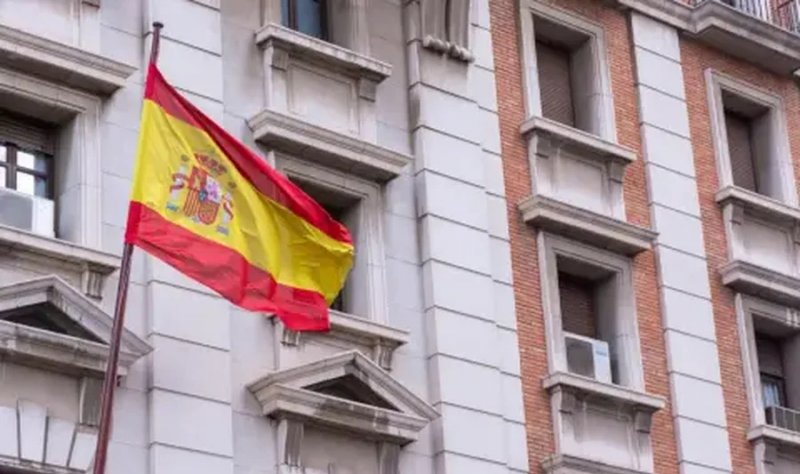
Spain’s government has framed the move as part of a broader commitment to diplomacy and de-escalation. By restoring its presence in Tehran, Madrid aims to maintain direct communication channels with Iranian authorities at a time when misunderstandings and miscalculations could quickly escalate tensions.
The decision reflects a belief that diplomatic isolation is less effective than engagement, particularly in volatile environments. Maintaining an embassy allows Spain to remain actively involved in discussions on regional security, humanitarian concerns and conflict management.
RECOMMENDED STORIES
Why was the embassy closed earlier
The embassy had previously been closed following a deterioration in the regional security environment. Rising military tensions and the risk of escalation prompted several countries to withdraw or reduce diplomatic staff in Iran.
Such closures are typically precautionary measures designed to protect diplomatic personnel when the host country faces heightened instability or the risk of conflict spillover.
What makes this move significant
Spain’s decision stands out because it signals a willingness to re-engage at a time when many countries remain cautious. Reopening an embassy under such conditions sends a political message that dialogue is still possible, even in a highly polarised environment.
It also positions Spain as a potentially influential diplomatic actor, capable of facilitating communication between Iran and Western partners who may not have the same level of direct access.
How does this relate to the wider Middle East conflict
The reopening takes place against the backdrop of ongoing tensions across the Middle East, including periodic escalations involving Iran and Israel. These dynamics have broader implications for regional stability, energy security and global markets.
Spain’s move suggests a strategic choice to prioritise diplomatic engagement over alignment with more confrontational approaches. It reflects a broader European debate over how best to manage relations with Iran during periods of crisis.
What practical benefits does reopening the embassy provide
Having an operational embassy offers several concrete advantages. It enables direct dialogue with government officials, improves access to reliable information on developments inside the country and strengthens the ability to respond quickly to emerging crises.
It also enhances Spain’s capacity to support its citizens in Iran, including providing consular services and emergency assistance if needed. In addition, it allows for closer monitoring of political and economic conditions on the ground.
What risks are involved in this decision
Reopening the embassy is not without risks. Security concerns remain a primary issue, as the regional environment continues to be volatile. Diplomatic personnel could face potential threats if tensions escalate further.
There are also political risks. The move may draw criticism from allies who favour a more cautious or hardline approach towards Iran. Balancing engagement with alliance commitments will require careful diplomatic management.
How is Iran likely to respond
Iran is expected to view the reopening positively, as it signals continued willingness from a European country to maintain engagement. Diplomatic presence can facilitate dialogue not only on political issues but also on economic and humanitarian matters.
For Tehran, such moves can help counter perceptions of isolation and open avenues for communication with Western governments.
What could this mean for European diplomacy
Spain’s decision may influence the broader European approach to Iran. Some countries may see it as a pragmatic model for maintaining dialogue during crises, while others may remain hesitant due to security concerns.
If the reopening proves effective in facilitating communication or reducing tensions, it could encourage similar steps by other European states. Conversely, if the situation deteriorates, it may reinforce more cautious policies.
Could this affect global economic or security dynamics
While the move is primarily diplomatic, it could have indirect effects on wider geopolitical dynamics. Engagement with Iran has implications for energy markets, particularly given the country’s role in regional supply routes.
Diplomatic presence can also contribute to discussions around maritime security and trade flows, especially in strategically important areas such as the Strait of Hormuz. Even limited engagement can influence how crises are managed and perceived globally.
What happens next
The reopening process is likely to be gradual, involving the return of diplomatic staff and the restoration of core embassy functions. Spain will need to continuously assess security conditions and adjust its presence accordingly.
Much will depend on how regional tensions evolve and whether diplomatic efforts gain traction. The effectiveness of Spain’s approach will be closely watched by both allies and regional actors.
Bottom line
Spain’s decision to reopen its embassy in Tehran reflects a calculated shift towards engagement in a period of uncertainty. It underscores the enduring role of diplomacy as a tool for managing conflict, even in complex and high-risk environments. Whether this approach yields tangible results will depend on developments on the ground and the willingness of all sides to pursue dialogue over escalation.
By Faig Mahmudov


Similar news