Why is the UK moving to legislate against hostile state proxies?


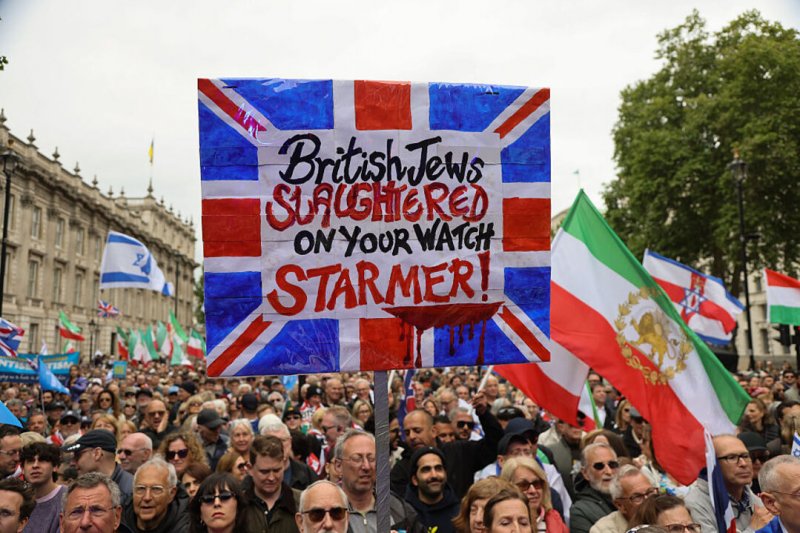
The United Kingdom is preparing new legislation aimed at cracking down on groups and individuals accused of acting on behalf of hostile foreign states inside the country. The move comes amid growing concerns about espionage, sabotage, antisemitic attacks and covert operations allegedly linked to countries such as Iran, Russia and China.
British Prime Minister Keir Starmer said the government must respond more aggressively to what officials describe as “malign state actors” using proxies to carry out hostile activity on UK soil.
RECOMMENDED STORIES
The proposed legislation is expected to give authorities stronger powers to ban organizations, prosecute supporters and disrupt foreign backed networks operating inside Britain.
What are “hostile state proxies”?
Hostile state proxies are individuals, criminal networks, front organizations or unofficial groups believed to operate on behalf of foreign governments while allowing those states to maintain plausible deniability.
These proxies may allegedly engage in:
- Espionage
- Surveillance
- Sabotage
- Political intimidation
- Cyber activity
- Violent attacks
- Harassment of dissidents
Security officials say hostile states increasingly rely on proxies because they create distance between governments and illegal activities.
Why is Britain introducing this legislation now?
The legislation follows a series of recent incidents in Britain that raised alarm among security officials and politicians.
These include:
- Arson attacks on Jewish linked sites in London
- Alleged surveillance of Iranian dissidents
- Rising antisemitic attacks
- Concerns about foreign interference
- Growing national security threats linked to hostile states
British authorities say the number of national security cases involving hostile foreign activity has increased significantly over recent months.
Which countries are believed to be behind these concerns?
British officials have repeatedly mentioned concerns involving:
- Iran
- Russia
- China
However, much of the recent political focus has centered on Iran and organizations allegedly connected to the Islamic Revolutionary Guard Corps, also known as the IRGC.
Prime Minister Starmer referenced “foreign powers hostile to the UK, such as Iran” while discussing the proposed measures.
What is the IRGC and why is it controversial?
The Islamic Revolutionary Guard Corps is one of Iran’s most powerful military and security institutions.
Western governments and intelligence agencies have long accused the IRGC of involvement in:
- Regional proxy conflicts
- Support for militant groups
- Intelligence operations abroad
- Suppression of dissidents
British politicians from multiple parties have increasingly pushed for the IRGC to face stronger legal restrictions in the UK.
The new legislation could potentially allow Britain to effectively ban IRGC linked organizations and networks operating inside the country.
What new powers will the legislation create?
According to reports, the proposed laws would create powers similar to terrorism proscription laws already used against extremist organizations.
The legislation is expected to:
- Allow the government to formally designate hostile state backed groups
- Criminalize membership or support for banned organizations
- Make prosecutions easier under national security laws
- Expand police and intelligence powers
- Increase penalties for hostile foreign activity
Officials say the laws are designed to close legal loopholes that currently make it difficult to prosecute proxy organizations linked to foreign governments.
Why are antisemitic attacks connected to the debate?
The legislation comes after several attacks targeting Jewish linked sites and communities in Britain.
Recent incidents included:
- Synagogue arson attacks
- Attacks on Jewish community facilities
- Violent antisemitic incidents in London
British authorities said some of these incidents may involve hostile foreign influence or proxy activity.
The government argues that stronger powers are necessary to protect communities from foreign sponsored extremism and intimidation.
Have British security services warned about these threats before?
Yes. British intelligence and counterterrorism officials have repeatedly warned about growing hostile foreign activity inside the UK.
Security officials say hostile states are becoming more aggressive in:
- Recruiting criminal networks
- Conducting covert operations
- Targeting dissidents abroad
- Interfering in democratic societies
The government argues that the current legal framework is no longer sufficient to deal with modern state backed threats.
How is this different from terrorism legislation?
Traditional terrorism laws focus mainly on extremist ideological groups.
The new legislation specifically targets organizations connected to foreign governments rather than independent extremist movements.
This distinction matters because hostile states increasingly use unofficial proxies instead of direct government agents.
British officials say existing terrorism laws do not fully address these newer forms of state backed activity.
Could this affect freedom of expression or political activism?
Some civil liberties groups may raise concerns about how broadly the legislation could be applied.
Critics may question:
- How organizations are designated
- Whether political activism could be affected
- The definition of hostile foreign influence
- Potential government overreach
Supporters of the legislation argue the measures are necessary for national security and focused specifically on foreign sponsored threats rather than ordinary political expression.
How does this fit into wider European security concerns?
Many European governments have become increasingly worried about hostile foreign operations in recent years.
Concerns include:
- Russian espionage
- Iranian intelligence operations
- Cyberattacks
- Political interference
- Sabotage attempts
Several European countries have already strengthened laws connected to foreign interference and national security.
Britain’s proposed legislation reflects a broader trend across Europe toward tougher security measures.
Why are governments increasingly focused on proxy networks?
Proxy networks allow governments to carry out sensitive operations while avoiding direct responsibility.
These networks can include:
- Criminal gangs
- Informal extremist groups
- Front companies
- Private individuals
- Organized networks
Security officials say proxy tactics make hostile activity harder to detect and prosecute.
As a result, governments are increasingly trying to modernize national security laws to address these challenges.
What role does online activity play in the new legislation?
The proposed measures may also address online extremist content and digital coordination connected to hostile foreign activity.
British authorities have expressed growing concern about:
- Online radicalization
- Foreign disinformation campaigns
- Digital harassment
- Extremist propaganda
- Coordinated online intimidation
The government says modern national security threats increasingly combine both physical and digital operations.
Could the legislation increase tensions with Iran?
Potentially yes.
Iran has repeatedly denied accusations involving hostile operations in Britain and has criticized Western governments for targeting Iranian organizations.
If Britain moves against groups linked to the IRGC or Iranian networks, diplomatic tensions between London and Tehran could worsen further.
Relations between the two countries have already remained strained for years over:
- Sanctions
- Regional conflicts
- Human rights issues
- Security accusations
What happens next?
The British government is expected to formally introduce the legislation in Parliament in the coming weeks.
Debate will likely focus on:
- National security
- Civil liberties
- Foreign interference
- Antisemitism
- Counter extremism policy
If approved, the legislation would represent one of Britain’s most significant expansions of national security powers in recent years.
Officials argue the laws are necessary to respond to an increasingly dangerous international environment where hostile states rely more heavily on covert proxies and unofficial networks to pursue their objectives inside democratic countries.
By Faig Mahmudov


Similar news