Why shouldn't Ruben Vardanyan have been nominated for the Nobel Peace Prize?


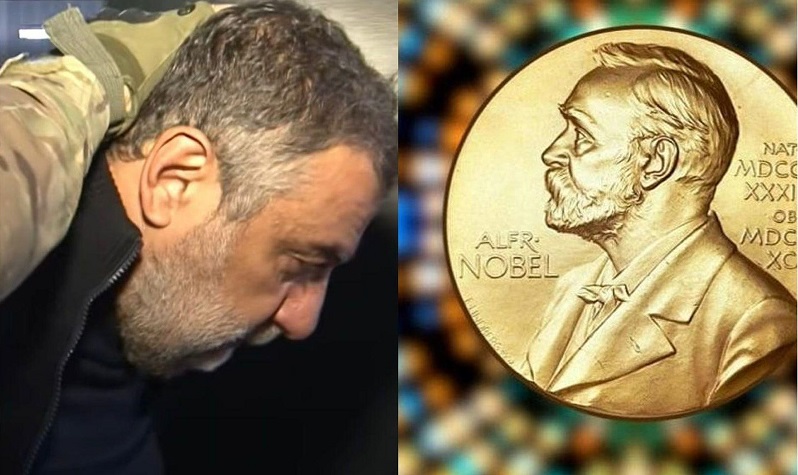
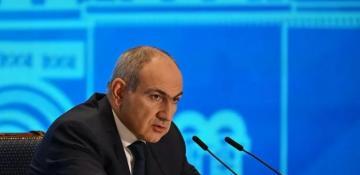
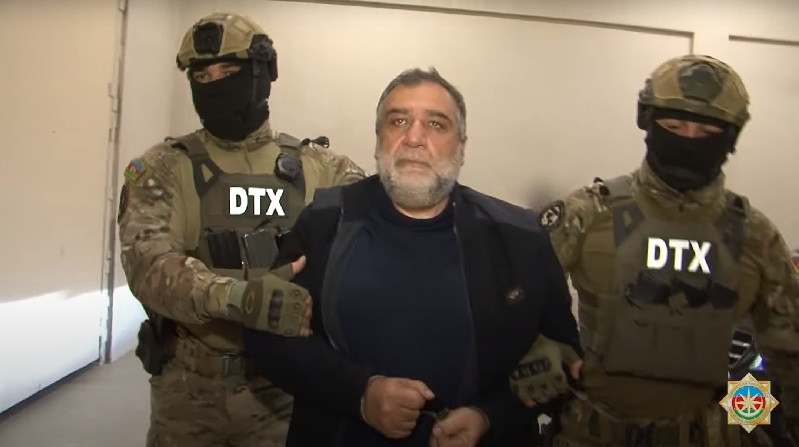
In the modern world, numerous incredible events are unfolding. Unfortunately, our discussions must extend beyond the marvels of science and information technology to include the array of "miraculous" and unexpected occurrences within the political sphere. It has recently come to light that Ruben Vardanyan, a Russian billionaire of Armenian origin, has been nominated for the 2024 Nobel Peace Prize. His nomination was presented to the relevant committee by certain authoritative figures "for creating and supporting about fifty new and unprecedented educational, charitable, scientific, and humanitarian organizations not only in Armenia but also in several other countries." According to Vardanyan's office in Yerevan, the nominators deemed "the image of Ruben Vardanyan as a humanist and philanthropist, along with his consistent efforts to introduce tools for long-term stability and development during periods of war and threats, financial and political crises, through humanitarian, charitable, and social projects," as impressive and deserving of international recognition. Many glowing terms fail to accurately portray the real image of an entrepreneur who narrowly avoided sanctions from the USA two years ago and was included in Ukraine's sanction lists. Currently, Vardanyan is detained in a Baku detention center, facing serious criminal charges, including financing terrorism, participating in the formation and activities of illegal armed groups, and illegally crossing the state border of the Republic of Azerbaijan.
Despite the insinuations from Armenian and pro-Armenian propaganda, the charges brought against him are grounded, and his arrest during an attempted escape to Armenia falls entirely within the bounds of law and aligns with international legal standards. It's doubtful that receiving the Nobel Prize would alter his status under Azerbaijani law, given his involvement in separatist activities. Vardanyan is credited with implementing a total of 700 projects in Armenia, Karabakh, and the diaspora, covering sectors such as humanitarian aid, education, preservation of historical and cultural heritage, and development of tourism and infrastructure.
However, while these numbers are presented, Vardanyan's office omits a crucial detail—all these projects primarily serve Armenian interests and Vardanyan's own business endeavors. For instance, ventures like the Tatev ropeway and the college in Dilijan are profit-driven, implemented not for humanitarian reasons but for business gain. The rationale behind Vardanyan’s Nobel Peace Prize nomination remains vague, with his nominators failing to detail why he merits this honor.
None of Vardanyan's initiatives carry universal significance. Efforts such as restoring Armenian churches abroad cannot be viewed as contributions to the peace cause. Achievements serving Armenian interests alone do not translate to benefits for humanity at large. If that were the criterion, any national figure dedicated to their country's welfare could claim a right to the Nobel Prize. Attempts have been made to credit Vardanyan with the restoration of the Yukhari Govhar Agha Mosque in Shusha, but this act was more a distortion of the historical and spiritual heritage of the Azerbaijani people than a restoration. Modifying the mosque's appearance and labeling it "Persian" constitutes a crime, not a commendable action. Additionally, funding a separatist regime and the militarization of separatists during Karabakh's occupation does not contribute to global peace. Following the 44-day conflict in Karabakh, Vardanyan persisted in these activities, seeking to gain political leverage. Confident in his impunity, he even issued threats against the President of Azerbaijan and his family members, advocating for Armenian terrorism in various countries. It raises questions whether the "authoritative individuals" endorsing his Nobel nomination viewed these actions as embodying humanism or contributing significantly to peace.
These "authoritative figures" remain unnamed. Yet, it's noteworthy that last December, 150 international humanitarian activists, politicians, and business figures, including Nobel laureates, called for the release of Armenian separatist leaders and war criminals under investigation in Azerbaijan, explicitly mentioning Vardanyan. Most signatories of this petition are closely associated with the Aurora Prize, an award established by Vardanyan, among them Nobel laureates Leymah Gbowee, Oscar Arias, and Shirin Ebadi. This connection suggests that one of these laureates could have nominated Vardanyan for the Nobel Peace Prize, posing a conflict of interest.
Alfred Nobel's will specifies that the Peace Prize should honor someone who significantly fosters fraternity between nations, the reduction of armed forces, and the promotion of peace congresses. Assessing Vardanyan's actions against these criteria invites skepticism regarding his qualification for such recognition.
To the European advocates of Vardanyan, it is crucial to recall that in 2019, more than 20 Members of the European Parliament from various countries including Lithuania, Poland, Sweden, Germany, and the United Kingdom, wrote to Jean-Claude Juncker, then President of the European Commission, following the "Troika Laundromat" offshore investigation revelations. They called for immediate action against Ruben Vardanyan and banker Vladimir Romanov. This fact is particularly relevant for the numerous Armenian lobbyists in the European Parliament who attempt to frame Vardanyan as a "political prisoner." The MEPs insisted on initiating procedures to sanction Vardanyan, Romanov, and others implicated in the "Troika Laundromat," pointing to a significant breach of trust.
In the wake of the Ukrainian conflict, Vardanyan managed to evade Western sanctions—sanctions he likely would have faced—by fleeing to Azerbaijan's Karabakh region. His arrival there, under the aegis of Russian peacekeepers and his subsequent engagement in anti-state activities, underscored his controversial standing. By January 2022, Vardanyan was listed on US Congress sanction lists, yet he circumvented these sanctions by transferring his assets and business ventures to relatives, choosing instead to delve into politics.
The proposal to award the Nobel Peace Prize to Ruben Vardanyan strikes as an anomaly. The history of the prize includes various controversial nominees and laureates, but individuals known for fraudulent activities and financing terrorism have not been among them. Nonetheless, the Nobel Peace Prize has not been without its contentious moments. Awards to figures like Yasser Arafat in 1994, Barack Obama in 2009, and Mikhail Gorbachev in 1990 have sparked debates and criticisms, highlighting the complex and sometimes controversial nature of recognizing contributions to peace. Ruben Vardanyan's potential inclusion among the laureates, given the backdrop of his actions and allegations, would not be unprecedented but would certainly add to the prize's history of disputed decisions.


Similar news