Ukraine-Russia war: Which scenarios are taking shape in 2026?


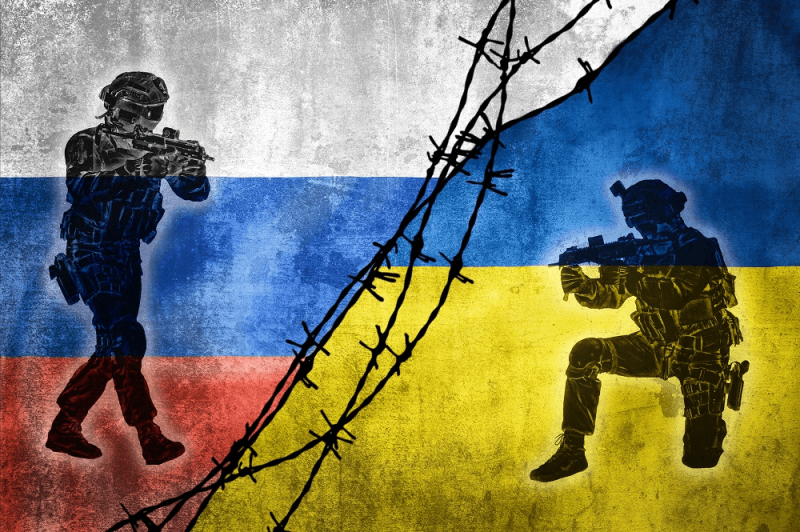
As the war between Russia and Ukraine approaches the end of 2025, it is increasingly clear that the conflict is entering a phase where endurance matters as much as battlefield dynamics. Military operations continue, but the decisive factors are gradually shifting toward economic resilience, political stability, industrial capacity, and the ability of each side, and their partners, to sustain a prolonged confrontation.
In this context, 2026 is no longer viewed simply as another year of fighting, but as a potential turning point that could define the conflict’s trajectory, whether toward a negotiated pause, prolonged attrition, or renewed escalation.
One frequently discussed scenario for 2026 is the emergence of a limited negotiating framework. This would not imply a comprehensive peace settlement, but rather attempts at ceasefire arrangements or interim agreements aimed at freezing front lines. Moscow has repeatedly signaled that any negotiations must reflect what it calls “new territorial realities,” while warning that failure to engage diplomatically could prompt further military advances. Kyiv, in turn, has maintained that territorial concessions are unacceptable but has shown growing interest in security guarantees as an alternative to immediate NATO membership. This suggests that future talks, if they occur, may shift focus away from borders and toward guarantees, enforcement mechanisms, and long-term security arrangements.
A critical variable shaping all scenarios is the durability of Western support for Ukraine. By 2026, the question is less about political declarations and more about sustained assistance. NATO members have increasingly framed their support in long-term terms, emphasizing ongoing deliveries of weapons, air defense systems, ammunition, and training rather than one-off aid packages. This reflects an understanding that Ukraine’s ability to hold its ground depends not on dramatic breakthroughs, but on maintaining a stable flow of resources that allows it to defend key positions, protect infrastructure, and impose costs on Russian forces.
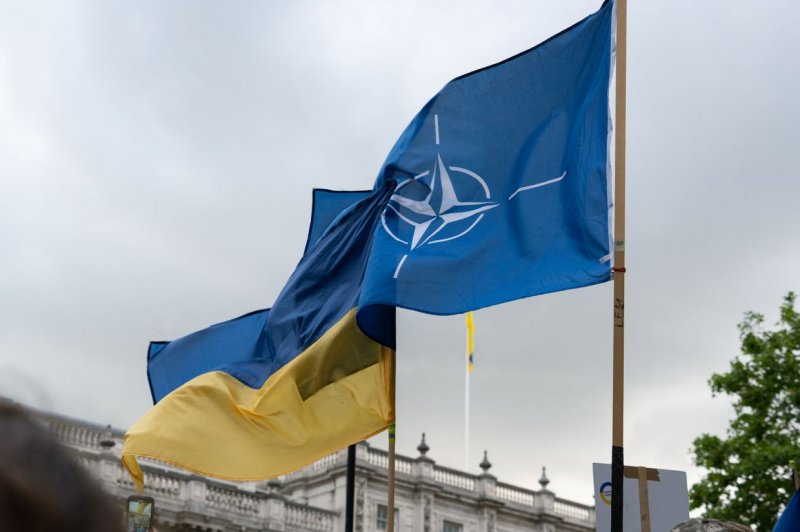
This logic underpins a second scenario: a prolonged war of attrition. In such a scenario, territorial changes remain limited while both sides focus on degrading the opponent’s military and economic capacity over time. Industrial output, logistics, and air defense become decisive. Ukraine’s economy, while adapting to wartime conditions, remains heavily dependent on external financial support to cover budget deficits and maintain essential state functions.
International financial institutions have warned that while Ukraine can sustain modest growth under wartime conditions, it remains highly vulnerable to infrastructure damage and disruptions in external funding. For 2026, this means that economic stability will be as strategically important as military success.
A third scenario frequently discussed by analysts is a partial “freeze” of the conflict. This would involve a ceasefire without a comprehensive political settlement, potentially enforced by monitoring mechanisms or external guarantees. While appealing to those who argue that exhaustion will push all sides toward compromise, this scenario carries significant risks. A freeze without credible guarantees could institutionalize instability, allowing both sides to regroup and prepare for renewed fighting. For Kyiv, such an outcome would be particularly risky if it leaves Ukraine without firm security assurances. For Moscow, a frozen conflict could serve to consolidate control and strengthen its negotiating position over time.
A fourth scenario involves escalation through geography or methods rather than mass mobilization. Even without a formal decision to escalate, the conflict could intensify through expanded strikes on logistics hubs, energy infrastructure, and military-industrial facilities. Drone warfare, missile strikes, and cyber operations are likely to play an even larger role in 2026, blurring the line between frontline combat and strategic pressure on the rear. Such escalation could occur gradually, driven by tactical calculations or misperceptions, rather than by a single dramatic trigger.
The economic and sanctions dimension constitutes a fifth, often underestimated scenario. By 2026, Europe is expected to move further toward structural decoupling from Russian energy supplies. Legislative and regulatory frameworks aimed at reducing dependence on Russian gas and oil are being embedded into long-term policy, signaling that the European Union is preparing for a prolonged period of confrontation.
At the same time, debates over the use of frozen Russian assets to finance Ukraine’s reconstruction and defense are intensifying. If a legally sustainable mechanism is established, it could significantly improve Ukraine’s financial outlook. If not, pressure on Western budgets will increase, potentially affecting the political sustainability of support.
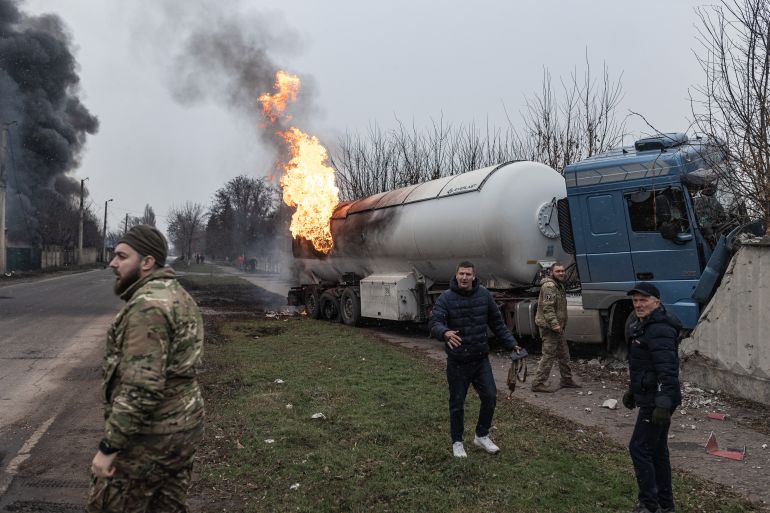
Taken together, these scenarios suggest that 2026 is unlikely to deliver a decisive resolution. The most plausible outcome is a hybrid model in which diplomatic efforts coexist with ongoing military operations. Talks may take place against the backdrop of continued fighting, strikes on infrastructure, and competition over strategic endurance. Neither side appears ready to accept terms perceived as defeat, while external actors are increasingly focused on managing escalation rather than forcing a rapid settlement.
The central lesson emerging from current trends is that the conflict is no longer defined solely by territorial control. Instead, it is increasingly about which side can demonstrate greater resilience across military, economic, and political dimensions. In 2026, the ability to sustain production, protect critical infrastructure, secure long-term financing, and maintain diplomatic support may prove more decisive than battlefield maneuvers alone. The outcome of this contest of endurance will shape not only the future of Ukraine and Russia, but also the broader security architecture of Europe for years to come.
By Tural Heybatov


Similar news