Alan Cafruny: The most dangerous scenario for Ukraine is continuing the war with European support - INTERVIEW


News.Az presents an interview with American political scientist Alan Cafruny, the Henry Platt Bristol Professor of International Affairs at Hamilton College.
- How will the Trump-Zelensky scandal affect Ukraine's international positions?
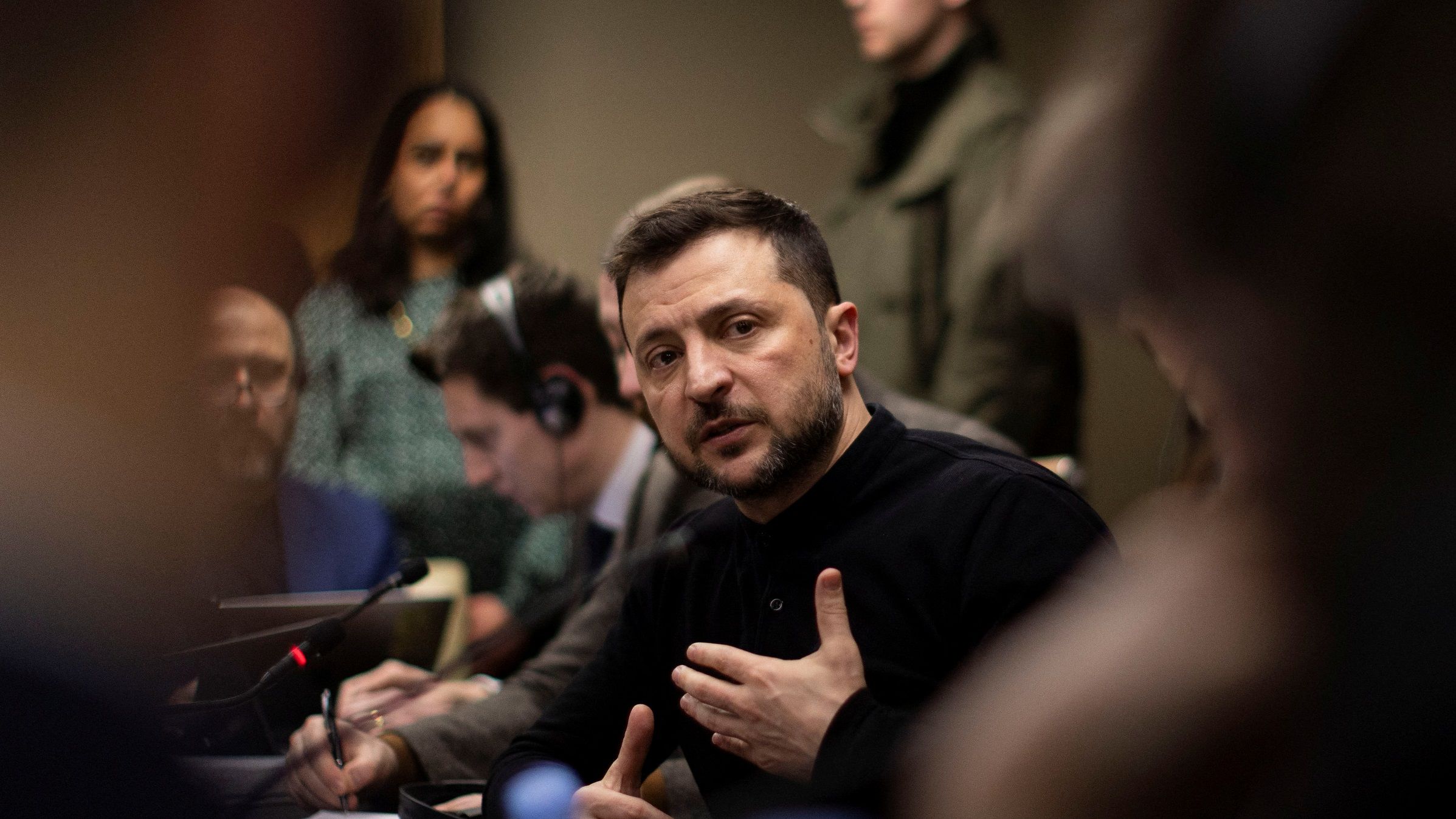
-The extraordinary public confrontation in the Oval Office has captivated global media and cast a spotlight on Washington's dramatic geopolitical recalibration. In the long run, however, the scandal has not so much reshaped Ukraine's international standing as it has exposed the extent of its vulnerability and diminished influence over Washington. Within three consecutive days, Emmanuel Macron, Keir Starmer, and Volodymyr Zelensky made unsuccessful pilgrimages to the White House, seeking assurances that Washington's impending settlement with Russia would include security guarantees for Ukraine. Trump, however, sent them all home empty-handed—albeit with a degree of politeness in the cases of Macron and Starmer. Zelensky, on the other hand, faced only humiliation. His hope that a mineral deal might secure American support came to nothing, as the agreement was not signed. Trump merely suggested that the presence of American workers in Ukraine's mines was a sufficient guarantee. In reality, the prospect of "security guarantees" has always been a non-starter for both Russia and the United States. Moscow has repeatedly and categorically dismissed any possibility of NATO troops in Ukraine under any circumstances. For its part, Washington is well aware that the presence of its forces in Ukraine could potentially enable Kyiv to draw them into direct conflict with Russia. Thus, Zelensky's hopes of leveraging a mineral deal to secure American support were dashed, with Trump reiterating that American workers in Ukraine's mines were guarantee enough.
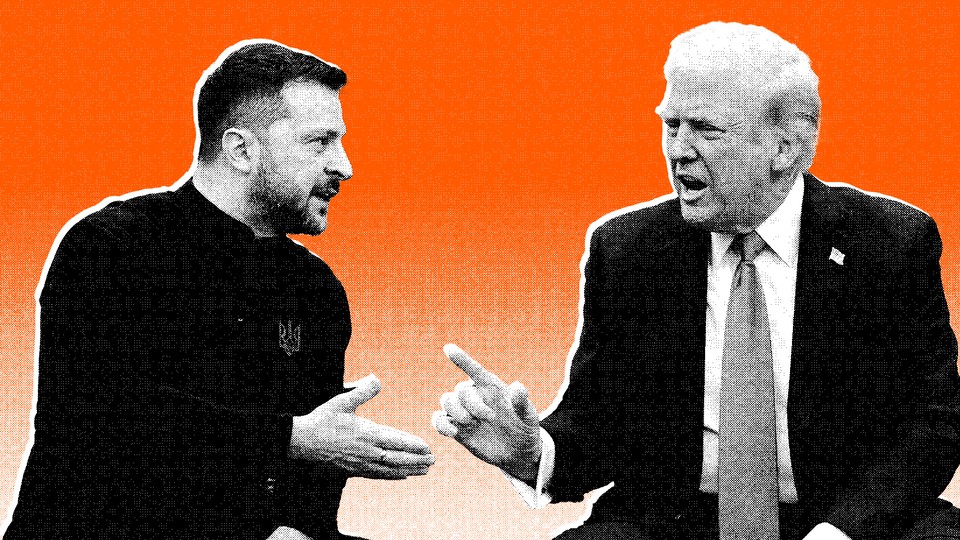
Source: The Atlantic
-What are the possible consequences of the Trump-Zelensky scandal for the prospects of resolving the conflict?
-The Oval Office debacle has significantly escalated tensions at a personal level, severely undermining prospects for conflict resolution. Such theatrics are arguably unprecedented in the history of diplomacy. In one potential scenario, the United States and Russia might resume contacts aimed not only at a peace settlement in Ukraine but also at a broader détente—potentially including the return of American companies to Russia, the lifting of sanctions, and joint resource extraction projects. Much, however, depends on Europe. If Washington can persuade European leaders to encourage Zelensky to negotiate, a settlement could be reached—albeit likely at the cost of Zelensky’s removal, either through resignation or electoral defeat. This scenario appears the most probable, given Europe's military limitations and dependency on the United States. It is also the most advantageous for both Ukraine and Russia, as it would not only halt the bloodshed but could also pave the way for reconstruction aid and, eventually, Ukraine's accession to the European Union.
Source: BBC
-What consequences could Zelensky's refusal to negotiate lead to for Ukraine?
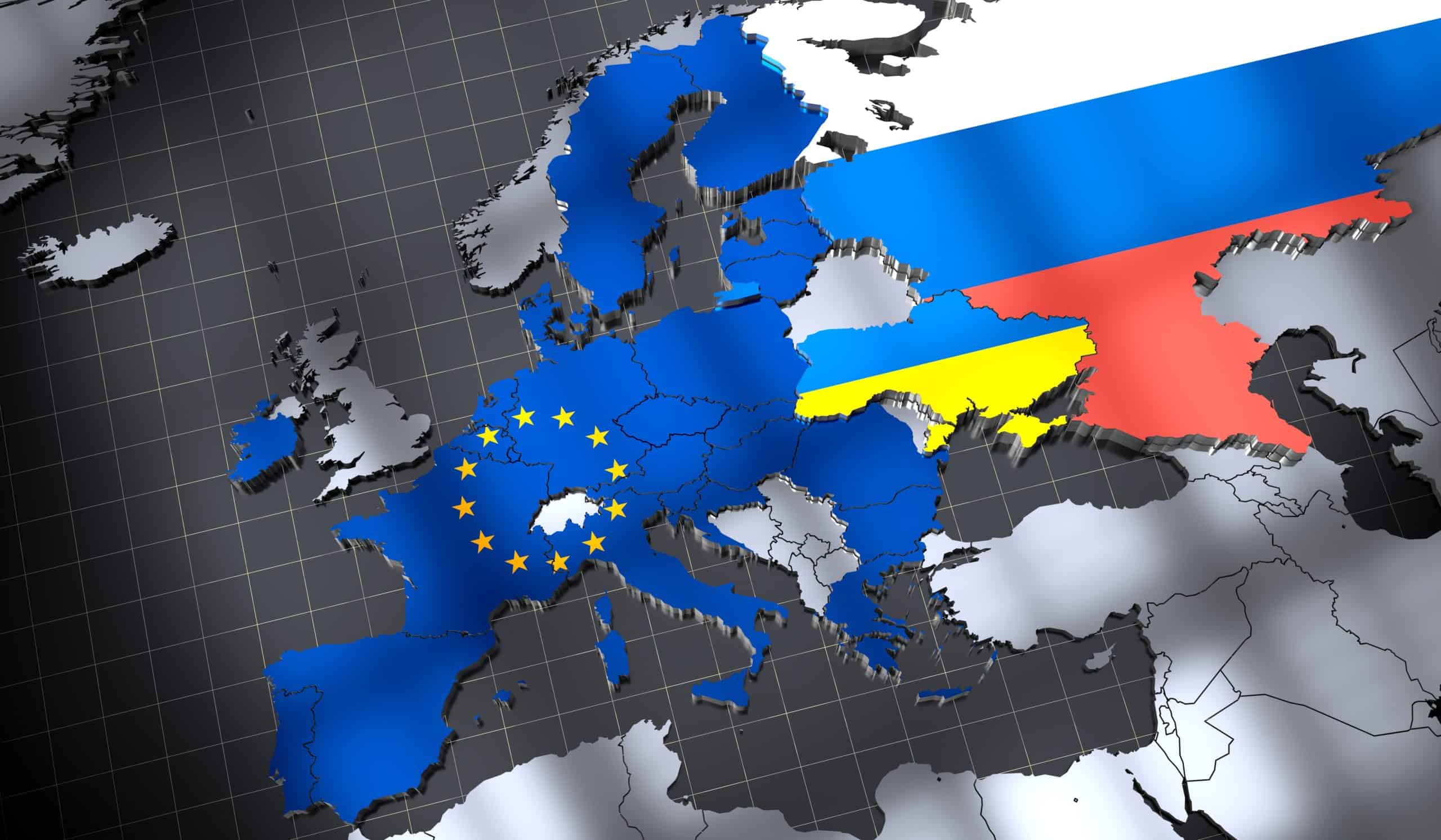
-A far more dangerous and tragic scenario would unfold if Ukraine continues to resist negotiations with European encouragement and support. The country is already steadily losing a brutal war of attrition amidst a severe demographic crisis and the ongoing exodus of young males. European military aid remains insufficient to alter the dynamics on the battlefield. Without substantial American material and logistical support, Ukraine's armed forces are likely to continue losing ground, further exacerbating the humanitarian and military crisis.
Source: ECIPE
-What tools can the US use to force Zelensky to sit down at the negotiating table?
-The United States possesses significant leverage to compel both Ukraine and Europe to pursue negotiations with Russia. Trump could cancel the delivery of a major arms shipment to Ukraine that was authorized in the final days of the Biden administration. He might also halt the provision of intelligence to the Armed Forces of Ukraine (AFU) and potentially withdraw the Starlink satellite system that enables Ukraine’s air defenses. Furthermore, Trump could apply substantial economic pressure on Europe. The withdrawal of U.S. logistical and technical support would leave heavily dependent European military forces in a precarious position. As Trump reportedly asked Starmer, “Can you take on Russia by yourselves?” This question underscores the strategic dilemma facing European leaders, who must balance their support for Ukraine with their dependence on U.S. military capabilities.


Similar news