Ammar Kahf: Israeli attacks on Syria are geopolitical, not humanitarian- INTERVIEW


.png)
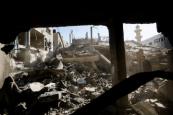
Israel has launched a series of airstrikes in Syria, targeting sites in Damascus and the southern Sweida region. Israeli officials say the attacks aimed to prevent security threats and protect the Druze minority amid escalating local violence. The strikes followed deadly clashes involving Druze militias, Bedouin tribes, and Syrian forces. Syria's interim leadership condemned the attacks as violations of sovereignty and pledged to defend its citizens.
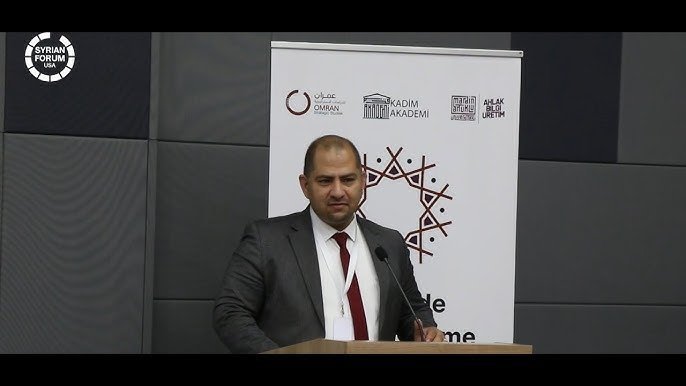
News.Az spoke with Dr. Ammar Kahf, Co‑Founder and Executive Director of the Omran Center for Strategic Studies, a think tank focused on Syria. In the interview, Dr. Kahf offers his expert perspective on the recent escalation in Syria, discussing the key factors behind it — including security threats, regional tensions, and changing power dynamics in the Middle East.
– What are the main reasons behind Israel’s recent military attacks on Syria?
Israel’s recent military escalations are part of a broader strategy of disruption and destabilization aimed at weakening Syrian sovereignty—particularly in the south—and preventing Damascus from reasserting authority across all of its national territory. These strikes do not appear to follow a coherent strategic objective but rather reflect reckless actions intended to perpetuate instability and delay national reintegration efforts. The claims by Israel is that it has two red lines: it demands no presence or operations by the Syrian Ministry of Defense in Southern Syrian provinces south of Damascus and that the central government should not enter or govern Swaidaa province. These two conditions are without a grand strategy and contradict with the sovereignty of the Syrian state on all of its territory and it’s right to govern and secure all of its territory.

Source: Open Source
– Israel’s primary justification is the protection of the Druze community. What is the current status and security situation of the Druze within Syria?
This justification is misleading and manipulative. The protection of any Syrian community, including the Druze, is the sole responsibility of the Syrian state—not of any foreign government. Invoking minority protection as a pretext for military aggression undermines both sovereignty and genuine efforts for national unity. The government has made deliberate efforts to ensure the inclusion and safety of all communities, including the Druze, through local reconciliation, institutional inclusion, and security arrangements. Trust-building remains a challenge, but the path forward lies in national—not foreign—solutions.
– To what extent have the internal conflicts in Syria contributed to the occurrence of these attacks?
– While internal conflict has left vulnerabilities, it is not the root cause of Israeli aggression. These attacks exploit post-conflict fragility, but their objective is not humanitarian—it is geopolitical. Israel has used instability as an opportunity to interfere in Syrian domestic affairs, not to resolve them. In fact, the Syrian state has taken steps to consolidate authority and stabilize the country, which Israel appears keen to disrupt.
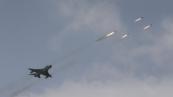
– What can you tell us about the current state and defensive capability of the Syrian army? What real options does it have in the face of Israeli attacks?
Source: Reuters
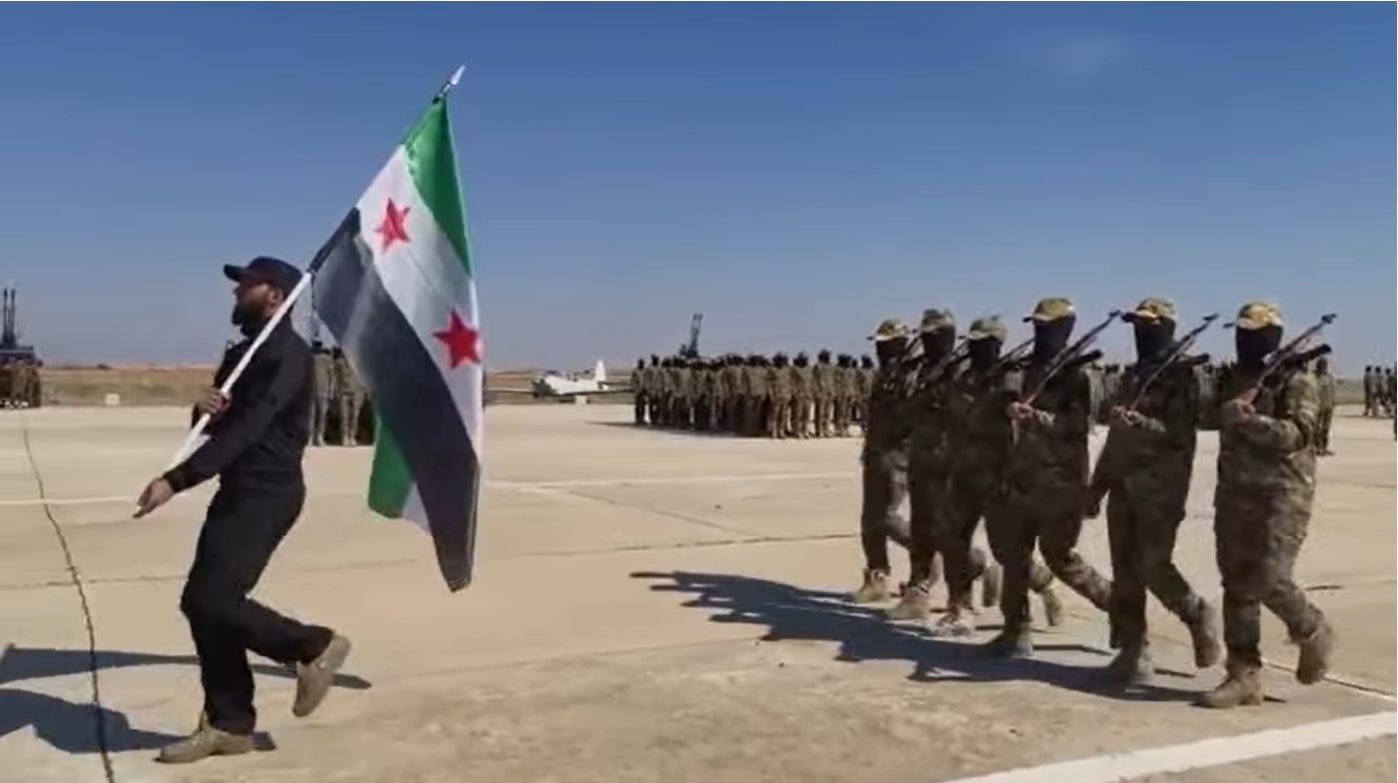
– The Syrian military is undergoing a gradual restructuring process aimed at consolidating all armed actors under a unified legal and institutional framework of the Ministry of Defense. This includes legal reform, capacity-building, doctrinal renewal, and efforts to ensure national inclusivity within the armed forces. While the process is still underway, it marks a strategic shift toward long-term defense readiness and monopoly over the use of force by state institutions. In the short term, Syria has exercised incredible restraint, opting to avoid escalation with Israel while prioritizing national reconciliation and military reform.
– Do you think these developments could escalate into a broader regional conflict, or are the parties merely engaged in a phase of mutual power projection and signaling?

Source: Usip
– The risk of escalation is real. Further Israeli attacks threaten not only Syria’s internal efforts at recovery and unity but also broader regional stability. These actions could provoke unintended consequences if left unchecked. However, there is also a significant element of power signaling involved—especially from Israel—aimed at reshaping regional dynamics. The response so far from Syria and its regional partners has been measured, but continued provocation could spiral out of control if international actors fail to restrain unilateral military actions.
– What role does Türkiye play in this process? Which country do you see as a potential mediator in this issue?
Source: Jstribune
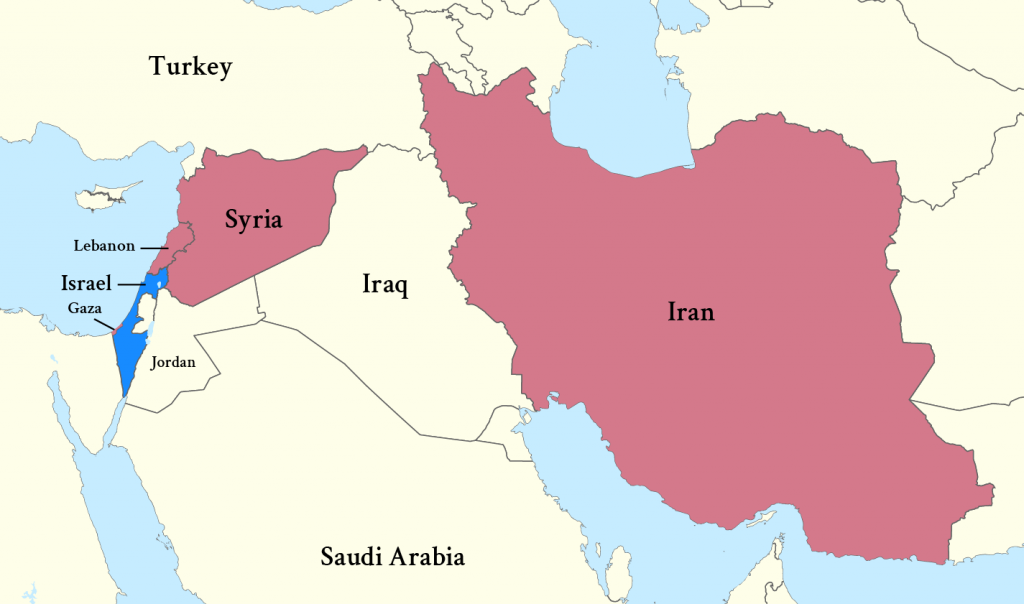
– Türkiye plays a central role in maintaining the regional balance and supporting stabilization efforts inside Syria. Alongside Türkiye, countries such as Saudi Arabia, the US, the UAE, Qatar, Jordan, and Azerbaijan have contributed to keeping the political roadmap on track and offering corrective diplomatic support when needed. Azerbaijan and the UAE, in particular, have shown capacity and willingness to mediate, including in sensitive files involving Israeli regional relations. These actors must now take further steps to pressure Israel to halt its interference in Syrian affairs and support national, inclusive recovery efforts.


Similar news