Baku and Yerevan shift from confrontation to normalization - analyst


.png)
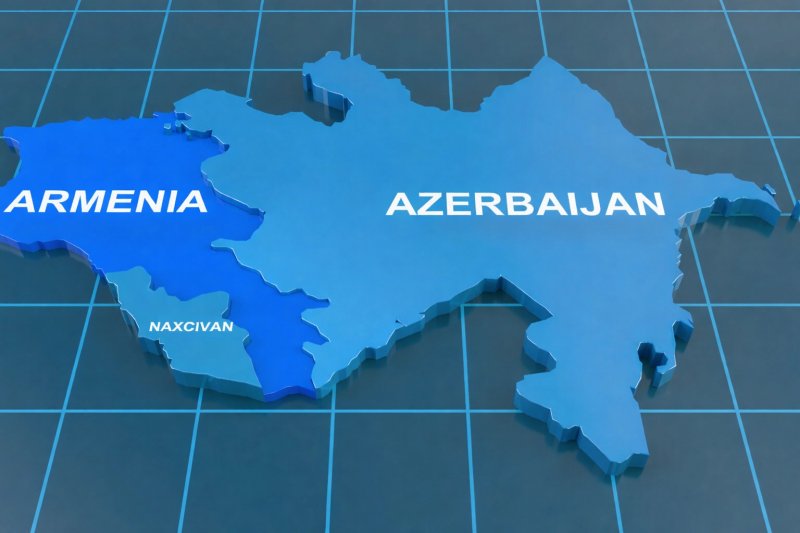
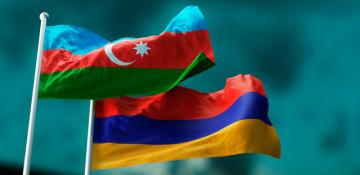
Azerbaijan–Armenia relations have entered a new phase that can be described as a period of preparation for peace. The military stage of the conflict has effectively ended, and the process has shifted toward political, legal, and psychological dimensions. The agenda of confrontation is gradually being replaced by normalization, with direct dialogue becoming more prominent.
The main objective at this stage is to establish a clear path toward a comprehensive peace agreement, including the gradual restoration of mutual trust. Recent contacts indicate that both sides increasingly recognize that long-term regional security and socioeconomic development are possible only through normalization and a legally formalized peace.
RECOMMENDED STORIES
At the same time, challenges remain. In Armenia, revanchist political groups continue to resist the peace process, creating uncertainty and periodic delays. Despite this, the overall trend suggests there is no viable alternative to lasting stability in the region.
Recent discussions have also introduced economic elements into the process, including trade and market access, demonstrating that peace is increasingly viewed not only as a political necessity but also as a source of tangible economic benefits.
Baku-based political analyst Fuad Abdullayev, a leading adviser at the Center for Analysis of International Relations, has described the current stage of Azerbaijan–Armenia relations as a period of preparation for peace, noting that the military phase has been left behind and the process has moved into political, legal, and psychological domains.

Source: Fuad Abdullayev, a leading adviser at the Center for Analysis of International Relations (AIR Center)
Speaking to News.Az, Abdullayev said the agenda of confrontation is gradually being replaced by normalization. According to him, the primary objective at this stage is to shape a path toward a peace agreement, including the gradual restoration of mutual trust between the sides. He added that rhetoric has begun to soften and that there is a growing preference for direct dialogue.
The analyst emphasized that the intensification of dialogue indicates the process is now focused on preparing for peace. He said there is an increasing understanding in Armenia that regional security and socioeconomic development are achievable only through normalization with Azerbaijan and the signing of a peace agreement.
At the same time, Abdullayev noted that several fundamental challenges remain, including the presence of political groups in Armenia with revanchist views that periodically slow the process and create uncertainty.
Despite these obstacles, Abdullayev stressed that the overall trend points to the absence of any alternative to long-term regional stability. In his assessment, such stability can be achieved only through a legally formalized peace between Azerbaijan and Armenia.
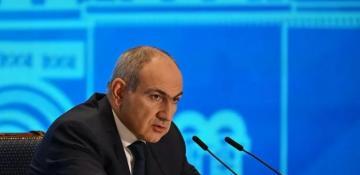
Commenting on the February 4 meeting in Abu Dhabi between Azerbaijani President Ilham Aliyev and Armenian Prime Minister Nikol Pashinyan, Abdullayev said its main political message was the two countries’ readiness to resolve their relations through direct dialogue and to assert their right to define their own agendas. He added that the meeting also sent a signal to regional and international actors that dialogue between Baku and Yerevan has no alternative and that progress is possible only with the direct participation of the two countries’ leaders.
Abdullayev also highlighted the emergence of new elements in the peace process, particularly discussions on economic relations and mutual economic opportunities. Issues such as access for Armenian products to the Azerbaijani market and the export of Azerbaijani products to the Armenian market were reportedly on the agenda, adding practical economic substance to normalization efforts. He said the agreement to expand contacts in support of economic relations demonstrates that peace is increasingly viewed as a mechanism capable of generating tangible economic benefits.
The analyst drew particular attention to discussions on the role of civil society, noting that the emphasis placed on this issue by the leaders reflects an understanding that peace must be supported not only by political decisions but also by dialogue between societies.
Regarding the return of accused individuals of Armenian origin, Abdullayev said he expects a largely positive reaction within Armenian society, particularly among groups inclined toward peace and weary of conflict. However, he cautioned that this humanitarian step should not create false expectations, stressing that individuals responsible for serious crimes cannot be framed solely within a humanitarian context.
Abdullayev concluded that meaningful preparation for peace within Armenian society requires acceptance of legal realities, abandonment of revanchist symbols, and recognition of the economic and social benefits of peace. Otherwise, he warned, individual humanitarian steps risk becoming tools of domestic political manipulation rather than contributing to a comprehensive peace process.


Similar news