Gazprom leaves Latvia: What will the shareholder shift lead to?


By Asif Aydinli
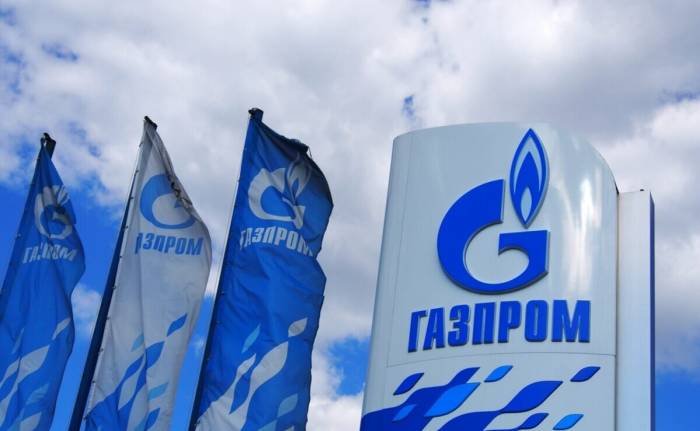
After years of dominance by Russian capital in Latvia’s energy sector, the country is taking a new step toward energy independence. Gazprom 's exit from Latvijas Gaze, a key gas supplier in Latvia, is seen as a symbolic shift — with the major Russian player handing its stake over to local and regional companies. But does this truly mark a move towards genuine independence, or are there other interests hidden behind the new ownership? In this article, we examine who now controls Latvijas Gaze, the potential impact on the country's energy security, and whether Latvia can indeed free itself from external influence in the gas sector. On November 8, 2024, Latvijas Gaze officially confirmed a shift in its shareholder structure: Gazprom has fully exited the company, selling its 34% stake to a new partnership between Latvia’s Energy Investments and Lithuania’s Haupas. Consequently, control over more than half of Latvijas Gaze's shares now rests in Latvian hands, seen as a significant step towards the country’s energy independence. But what does this change really mean? And could it be merely a symbolic rebranding?Who controls Latvijas Gaze now?
With Gazprom out of the picture, Latvijas Gaze’s shareholder composition now looks as follows:
• Energy Investments – 27.85%
• UAB Haupas – 6.15%
• Rietumu Banka – 28.97%
• Uniper Ruhrgas International – 18.26%
• Itera Latvia – 16%
• Other shareholders – 2.77%
This complex shareholder structure can be traced back to last year's transaction when Latvijas Gaze’s top management acquired shares from Luxembourg-based fund Marguerite Gas II through Energy Investments, facilitated by Rietumu Bank. Thus, significant control has effectively passed into the hands of the company’s executives, raising questions about the true beneficiaries and the independence of this structure.
Latvian energy or Latvian elite?
At first glance, this transaction seems to mark a long-awaited departure of Russian capital from Latvia’s critical energy sector. However, the shareholder structure suggests a different reality. The main buyers—top managers of the company, including the chairman and former Latvian Prime Minister Aigars Kalvītis—have significant influence over Energy Investments. Is this really a step towards independence, or is it simply a rebranding, securing substantial influence in the national gas sector for select individuals?
Moreover, Rietumu Bank’s involvement in the transaction strengthens the bank's influence over this economic sector, raising doubts about the company’s complete independence from internal and external political interests.
A Path to independence or just a facade?
Gazprom’s exit is being presented as a milestone in Latvia's pursuit of energy independence. However, a substantial portion of the company remains in the hands of foreign players, including Uniper Ruhrgas International and Itera Latvia. The latter is under sanctions and has close ties with Russia’s Rosneft. Notably, there’s been no clarification on how Latvia intends to buy out these foreign shareholders.
This process appears to be one of careful steps: Latvia is striving for control over its gas sector but lacks a concrete action plan in case relations with foreign shareholders sour.
Latvijas Gaze in historical context
In 2017, Latvijas Gaze was compelled to divest its gas transportation assets to an independent entity, Conexus Baltic Grid, in compliance with the European unbundling directive. Since then, Latvijas Gaze has been responsible solely for gas sales, with transportation handled by Conexus. In 2020, Gazprom sold its stake in Conexus to Latvian company Augstsprieguma Tikls, transferring full control over transportation assets to the Latvian entity.
Despite the gradual decline of Russian capital’s influence, energy security remains a concern for Latvia. Foreign shareholders still wield significant influence over the company’s decision-making, even as local players strengthen their positions.
What’s next?
Kalvītis has already expressed intentions to acquire shares held by large foreign stakeholders. But should we expect swift results? Unlikely. Latvia is expected to face substantial economic and political challenges, as such purchases will require considerable investment and state support. Additionally, Rietumu Bank retains a buyback right for three years under its agreement with Marguerite Gas II, complicating any plans for full national control of Latvijas Gaze.
Latvia has formally moved closer to its goal of energy independence, yet this new facade of independence may conceal the interests of a narrow circle of political and business elites, including banking entities.
Achieving true independence could take more time, as Latvia’s energy security remains at the intersection of political and economic interests, where the new shareholders are merely the latest players on a complex chessboard.


Similar news