How is Russia coping with the arms shortage?


By Sabina Alizade
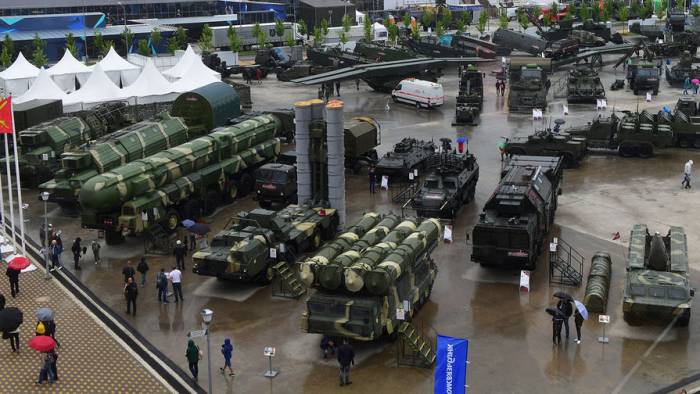
The heavy military situation in eastern Ukraine raises questions about the sustainability of Russian military operations, sparking discussions in international circles and within Russia itself. The lack of modern military equipment, especially tanks and artillery, highlights the severe limitations faced by the Russian armed forces.
The assembly of new tanks and the repair of old ones is becoming increasingly difficult due to component supply issues caused by sanctions. Since the beginning of the war, Ukrainian forces have managed to destroy at least 1,400 of the 5,000 artillery units that Russia had at the start of the invasion. "The Economist" writes that Russia is replacing worn-out barrels of self-propelled howitzers with barrels from old towed howitzers. According to OSINT analyst Richard Vereker, around 4,800 barrels had been replaced by the beginning of this year, and about 7,000 barrels might remain in storage.
The mass use of this weaponry makes Russia even more dependent on supplies from North Korea and Iran, as 130mm M-46 ammunition is only produced by companies in these countries.
According to "The Economist," Russia has no issues with manpower: it can recruit about 25,000 soldiers each month, with around 470,000 people steadily at the front. However, the shortage of military equipment hinders any offensive operations.
If the situation does not change, by the end of this year, Russian troops may shift to more defensive positions. This could become apparent by the end of summer, and Putin's interest in a temporary ceasefire agreement might increase. Experts predict that at the current rate of usage and depletion of old equipment and tools, they will be exhausted by the middle of next year. This may require a revision of offensive operation strategies in favor of more defensive tactics.
Russian political scientist Darya Grevtsova, in an interview with News.Az , noted that the article reflects pro-Western views and supports the West. She believes the article clearly emphasizes the need for more weapon supplies to the Ukrainian armed forces. This is necessary to eliminate Russia's advantage and ultimately defeat the Russian army.
"It is difficult to determine exactly how much weaponry is in use, as some damaged tanks return to the front after repairs. The percentage of returned weapons is unknown: it could be 20%, 30%, 40%, or even 50%. Soviet weapon stocks are decreasing, but Russian factories are working at full capacity, producing new armaments. Regional political leaders and representatives of military factories are already reporting orders for production until 2028. Therefore, the claim that Russia's arsenal is depleting is controversial," the expert said.
D. Grevtsova stated that Russia's cooperation with Iran and North Korea helps it in arming itself. Therefore, in her opinion, the article is propagandistic and aimed at influencing the political preferences of Western countries and encouraging them to create more weapons for Ukraine.
Latvian military expert Einārs Grudun s stated that the modern sources of income for the Russian army are related to the former Soviet Union's weapon stockpiles and the latest developments.
"Today, Russia's equipment cannot be compared with what NATO countries use. Russia is fighting in Ukraine with 20th-century methods, not new technologies. Does Russia need ammunition from other countries? Yes, despite having its own ammunition factories. This is evidenced by Putin's visits to North Korea, cooperation with Iran, and seeking help from other countries, including African ones. This shows that domestic production does not meet the needs. Factories that produced weapons for the USSR were not only located in Russia.
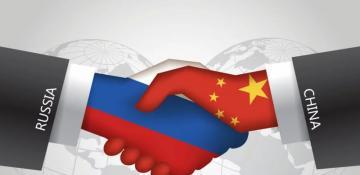
The forecasts are simple: Russia will lose this war. You won't find articles about major successes of the Russian army in modern media. Soviet officers predicted Russia's defeat in a war back in the USSR days. The reason is simple: the plundering of the military industry and technological lag behind NATO countries. From a military standpoint, the war should end soon. If China does not provide military assistance to Russia, the war will simply end," the expert concluded.


Similar news