How Türkiye plans to build Syria’s 300,000-strong new army – INTERVIEW


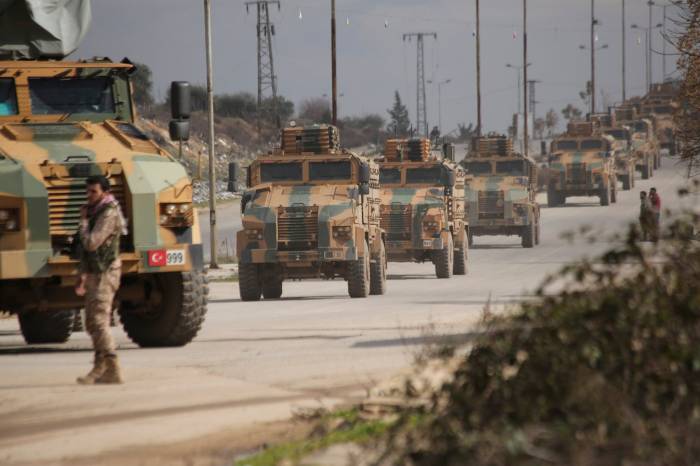
image: nytimes.com
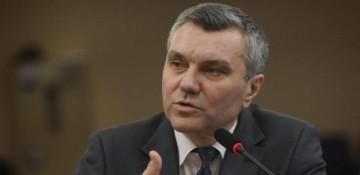
News.Az presents an interview with Engin Ozer, a Turkish political scientist and analyst.
- Over the past 10 years, especially in the last two years, Türkiye has actively armed and trained the Syrian National Army. Türkiye already possesses significant experience in this area. The formation of units is modeled on the Turkish army, so all systems are being developed based on the fundamental structures of the Turkish Armed Forces and General Staff.
Additionally, Türkiye has extensive experience training foreign personnel. For example, in Somalia, an army was built from scratch with Türkiye’s support. Nearly all Somali army officers were trained in Türkiye—both in military academies and through practical experience. This long-standing expertise enables Türkiye to work effectively in this direction.
As for specific resources, officer training is a critical element. First, Türkiye can provide military-technical support, including the establishment of air defense systems in Syria designed by Turkish engineers. Second, Türkiye has significant capabilities in manufacturing and supplying unmanned aerial vehicles (UAVs).
Moreover, Türkiye may assist in the development of a Syrian naval fleet, including building patrol boats and organizing coastal security. Thus, Türkiye’s primary support includes officer training, military-technical assistance, air defense and UAV systems, and naval development.
For Türkiye, implementing these tasks poses no difficulty, as it already has the necessary experience and resources.
- Given the complex situation in Syria and the Israeli threat, what will be the primary objectives of the new army? How do these threats define the priorities of the new military formation?
- Yes, there is indeed a threat from Israel. However, at this stage, Israel has already conducted over 500 strikes, effectively destroying Syria’s critical military infrastructure. Major facilities, including laboratories from the previous regime, have also been eliminated. As a result, threats like those of the past no longer exist.
The new Syrian army is likely to be established primarily to defend the country from external attacks rather than launch offensives against third parties. This doctrine is expected to be adopted, diminishing Israel’s relevance in this context.
The only remaining issue is Israel's continued control over some Syrian territories. However, resolving this matter will likely fall within the realm of diplomacy. Addressing this threat and finding solutions will become the responsibility of the new Syrian government.
It is probable that such discussions will only begin in a year when Syria’s new leadership can focus on these challenges independently.
- How does Türkiye assess the integration of various armed groups, such as Hay'at Tahrir al-Sham and the Syrian National Army, into unified armed forces? What measures will be taken to prevent internal conflicts among these forces?
- Currently, there are no longer organizations like Hay'at Tahrir al-Sham operating in Syria. Instead, Türkiye has concentrated its efforts on forming the Syrian National Army, which already has established structures. It seems likely that further development will be based on this organization.
As for foreign fighters involved in Syria’s civil war, they will be required to leave armed formations.
The new army will consist solely of civilian forces. While certain disagreements may arise, these issues are manageable.Türkiye already has experience creating the Syrian National Army and is expected to add further formations to this foundation in the future. Internal conflicts within Syria remain the responsibility of its leadership. Türkiye sees its role as providing military-technical and financial support for building a full-fledged Syrian army.
Resolving Syria’s internal problems is the responsibility of its new leadership. Türkiye, in turn, will not interfere in the country’s internal affairs. Türkiye’s priority is to support initiatives that promote regional stability and security.
- What strategic goals are pursued by Türkiye’s deployment of military contingents in five key locations within Syria? How will this affect overall regional stability?
- Currently, Turkish forces remain in Syria. They have established a 30-kilometer corridor, effectively a safe zone separating the Turkish border from Kurdish forces that now control eastern Syria. The situation remains complex. Until a comprehensive agreement is reached to dismantle Kurdish armed formations, including those linked to the PKK (Kurdistan Workers' Party), Türkiye cannot withdraw its troops from the region.
Otherwise, Turkish forces will continue to operate within the 30-kilometer corridor between the Turkish border and the M4 highway. At present, Kurdish armed groups comprise about 100,000 individuals, including high-ranking commanders connected to the PKK, representing a serious threat to Türkiye. Türkiye cannot allow members of a terrorist organization to remain close to its borders.
Thus, troop withdrawal is unlikely until this issue is resolved. The situation’s impact on regional stability will be discussed with Syria’s central leadership. If a unified army can be established, Kurdish formations dismantled, and PKK members leave Syria for Iraq, Türkiye may consider withdrawing its troops. However, these outcomes require complex negotiations and agreements among all parties involved.
- What mechanisms and programs does Türkiye use to facilitate the return of Syrian refugees? How realistic is the goal of repatriating 1 million refugees, given the current situation in Syria?
- Türkiye has announced plans to build residential areas in Syria to facilitate the return of Syrian refugees. Negotiations with the European Union are underway to implement this project, but its feasibility remains uncertain. Nevertheless, this program is actively being promoted by Türkiye. If Syrian refugees begin returning, Türkiye promises support, particularly in educating Syrian children in Turkish schools to provide access to education. Returning refugees will also be granted certain rights, which are under discussion.
However, the repatriation of refugees is directly linked to Türkiye’s economic situation. With inflation at 50% and challenging living conditions in Türkiye, some refugees might choose to return to Syria. If Türkiye’s economic difficulties persist, up to 2 million people might return. On the other hand, if the Turkish economy improves, only a small number—perhaps 10,000—may go back. The situation is further complicated by many Syrian refugees’ reluctance to return due to ongoing problems and instability in Syria. Therefore, the program’s future depends on both Türkiye’s economic conditions and the provisions made for refugees in Syria itself.


Similar news