Interfaith conflicts: Is peace possible?


Editor's note: Moses Becker is a special commentator on political issues for News.Az, a PhD in political science and an expert on interethnic and interreligious relations. The article expresses the personal opinion of the author and may not coincide with the view of News.Az.
In recent weeks, the world has watched with concern as tensions once again flared on the Indian subcontinent, raising the specter of a full-scale conflict between India and Pakistan—two nuclear powers capable of plunging humanity into an unprecedented catastrophe. These developments have once again highlighted the urgent need for effective global control over the proliferation of nuclear weapons, not only in South Asia but also in the Middle East, where certain nations, under the guise of ideological rhetoric, continue to seek weapons of mass destruction.
Instead of addressing their domestic challenges and refraining from interfering in the affairs of their neighbors, some states remain fixated on building so-called “virtual empires.” Yet the modern world has made it clear: no nation is willing to surrender its sovereignty or national identity. The United Kingdom’s exit from the European Union serves as a vivid example of this reality. History consistently shows that every nation seeks to chart its own course while remaining open to mutually beneficial cooperation with others.
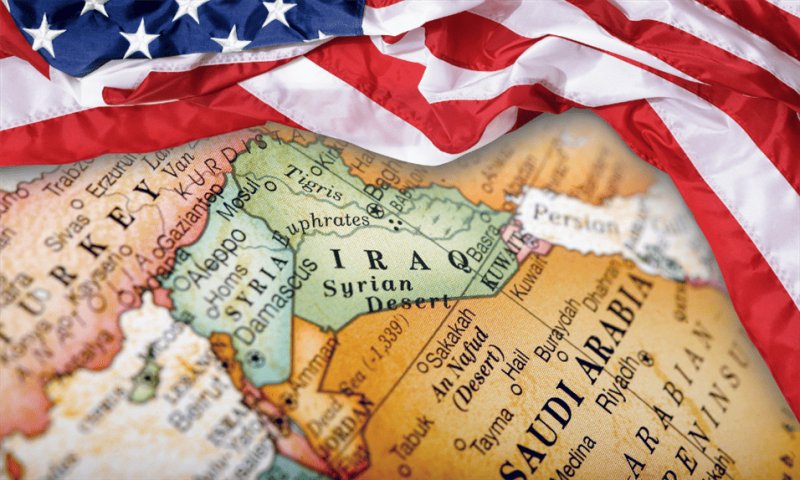
Syria today stands as a notable case in point. The country’s new leadership is striving to restore territorial integrity, rebuild national unity, and establish constructive relations with neighboring states. Damascus has come to realize that even the interests of its closest allies do not always align with the realities on the ground. This understanding has prompted Syrian President Ahmed al-Sharaa to initiate dialogue with Saudi Arabia and the United Arab Emirates (UAE).
It is worth noting that the UAE has already established official diplomatic and economic ties with Israel. Leveraging this position, Abu Dhabi has facilitated the launch of indirect negotiations between Syria and Israel. According to sources within Syrian security agencies, the primary goal of these talks is to coordinate efforts in combating terrorism—an initiative that until recently would have seemed unthinkable.
Middle Eastern media report that these indirect contacts focus on security and intelligence cooperation. Meanwhile, Israel has recently conducted several airstrikes on Syrian territory, one of which targeted an area just 500 meters from the presidential palace in Damascus. Israeli officials described these actions as a message to the Syrian leadership in response to threats against the Druze minority, many of whom have relatives living in Israel.
Speaking at a press conference in Paris following his meeting with French President Emmanuel Macron, President al-Sharaa stated that Israel’s actions constitute a violation of the 1974 disengagement agreement between the two countries. Nevertheless, he emphasized his commitment to upholding the agreement and reiterated that Syria has ended its cooperation with Hezbollah and its patron, Iran—an important step toward normalizing relations with the international community.
Reports indicate that the Trump administration is already engaged in negotiations on the complete lifting of U.S. sanctions against Syria. The United States has also authorized Qatar to transfer tens of millions of dollars to Damascus to cover government salary payments.
Key regional decisions are expected during President Donald Trump’s upcoming visit to the Gulf states, scheduled for May 13–16, 2025. As part of his tour, the U.S. president will visit Saudi Arabia, Qatar, and the UAE. In Riyadh, he is set to participate in the Gulf Cooperation Council summit, where he is expected to outline Washington’s strategic vision for the Middle East.
The visit’s primary objectives include securing economic agreements, attracting investments to the U.S. economy, and addressing the Israeli-Palestinian conflict. Discussions on stabilizing global oil prices—critical for boosting U.S. economic growth—are also on the agenda. According to U.S. sources, Jared Kushner, who has established a trusted relationship with Saudi Crown Prince Mohammed bin Salman, is expected to join the negotiations on expanding the Abraham Accords.
However, the situation in Gaza and the question of Palestinian statehood remain major obstacles to Saudi Arabia’s participation in the accords. Crown Prince Mohammed bin Salman has repeatedly stated that normalization with Israel is contingent on the cessation of hostilities in Gaza and the establishment of a clear path toward Palestinian statehood.
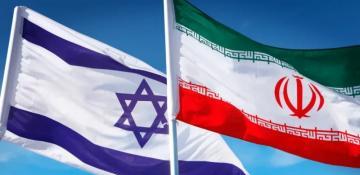
Meanwhile, in Baku, Türkiye and Israel continue their negotiations on developing a coordination mechanism for their activities in Syria. At the same time, the United States is intensifying its diplomatic efforts with Iran, seeking to address Tehran’s nuclear program and its interference in the internal affairs of neighboring countries.
Through these initiatives, President Trump aims to stabilize the Middle East and prevent a new wave of nuclear arms proliferation. His recent appeal to the world’s nuclear powers to reduce their arsenals underscores his broader vision of steering humanity away from the brink of mutual destruction and toward a future built on dialogue and cooperation.
(If you possess specialized knowledge and wish to contribute, please reach out to us at opinions@news.az).


Similar news