Is Thailand–Cambodia the next arena for U.S.–China rivalry?


Editor's note: Seymur Mammadov, a special commentator for News.Az, is the director of the international expert club EurAsiaAz. The article reflects the author’s personal opinion and does not necessarily represent the views of News.Az.
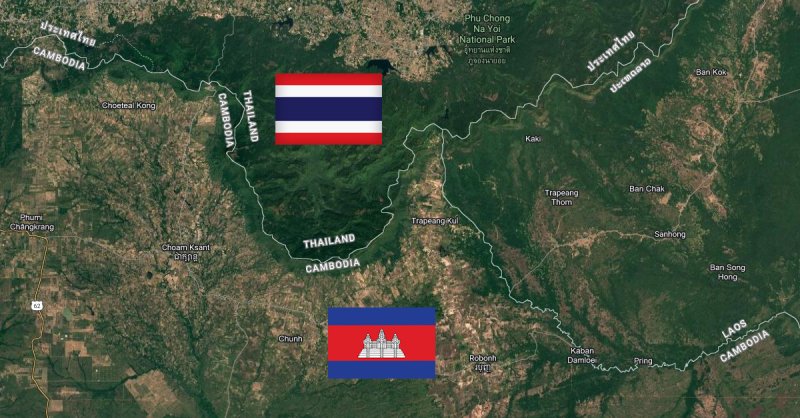
A new escalation has erupted along the tense and historically disputed border between Thailand and Cambodia, drawing renewed international attention to a conflict that has periodically flared for decades. Reports from the ground indicate that Cambodian forces launched an attack on a Thai military base, killing at least one Thai soldier and wounding several others. In response, the Royal Thai Air Force carried out targeted airstrikes against positions on the Cambodian side, describing the strikes as “defensive precision operations.” This exchange of force has sharply raised concerns that the situation could spiral into a broader military confrontation.
The latest outbreak of violence underscores the fragility of the borderlands, where long-standing disagreements over demarcation persist despite rulings from international bodies and ongoing bilateral negotiations. The dispute is rooted in colonial-era maps and competing historical claims, particularly around areas near the ancient Preah Vihear temple. For both Bangkok and Phnom Penh, the status of the border is closely linked to national sovereignty, making any shift in control extremely sensitive and prompting rapid, often forceful responses.
The escalation immediately triggered reactions from major global powers, each with strategic interests in Southeast Asia.
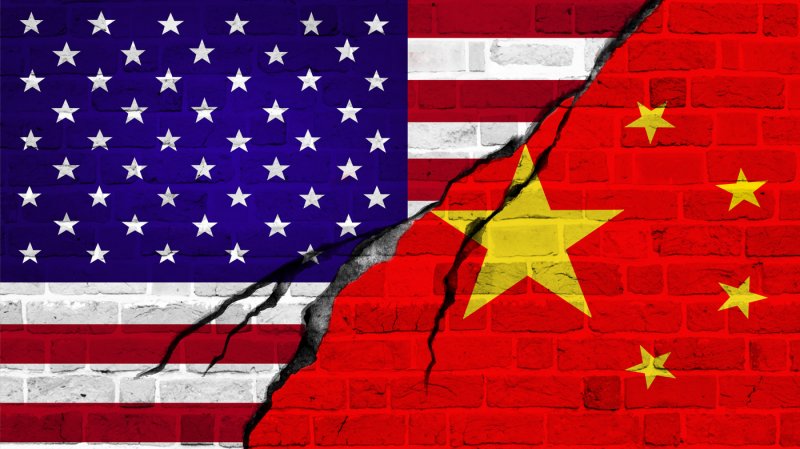
The United States reacted swiftly, expressing deep concern and calling for an immediate cessation of hostilities. Washington has long prioritized stability in Southeast Asia, a region central to global trade routes and increasingly important in the strategic competition with China. While maintaining public neutrality, the U.S. urged both sides to return to dialogue within ASEAN mechanisms. At the same time, American diplomacy, often conducted behind the scenes, remains focused on preventing further destabilization that could create openings for China to expand its regional influence. The U.S. position blends calls for restraint with active oversight, consistent with its broader Indo-Pacific strategy.
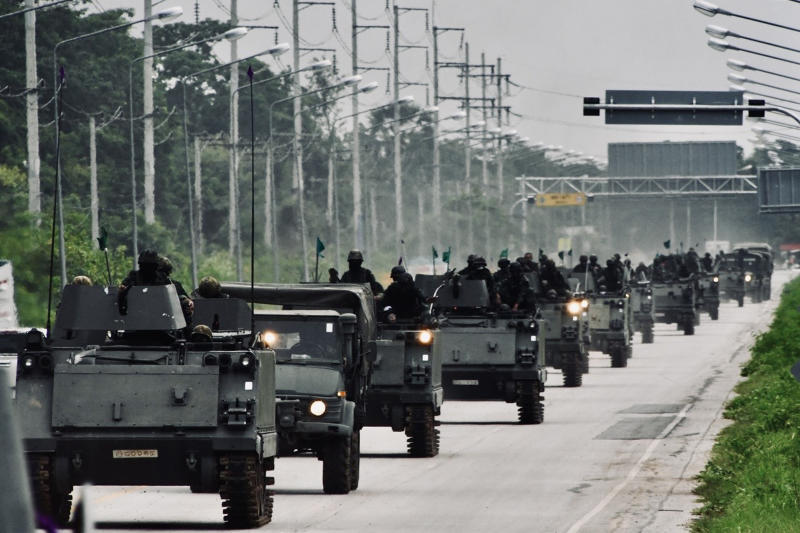 Source: Royal Thai Army
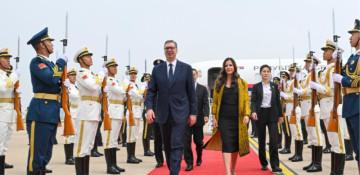
China, meanwhile, issued a carefully measured response. Beijing has deep economic, political, and security ties with Cambodia, which has often supported Chinese positions within ASEAN and on the international stage. For China, the outbreak of violence near its sphere of influence poses potential risks to large-scale investment projects and Belt and Road infrastructure corridors. While Beijing publicly urged “maximum restraint” and emphasized the need for peaceful negotiations, its underlying priority is clear: preserve regional stability while maintaining strong ties with Phnom Penh. China avoids openly siding with Cambodia in such crises, preferring a neutral posture that allows it to act as a predictable, stabilizing force while quietly safeguarding its interests.
Russia adopted a characteristically balanced tone, calling on both sides to show restraint and resolve their differences through peaceful dialogue. Moscow refrained from assigning blame or expressing explicit sympathy for either party. Although Russia’s political and economic footprint in Southeast Asia is modest compared to that of the United States or China, it remains interested in expanding its partnerships, including military-technical cooperation with both Thailand and Cambodia. By remaining neutral, Russia preserves its image as a supporter of international law and diplomacy, positioning itself as a potential mediator without entangling itself in regional rivalries.
Japan delivered one of the most pointed responses among global actors, expressing “deep concern” and encouraging both sides to de-escalate immediately. Tokyo is a major economic partner for both Thailand and Cambodia and one of the largest providers of development assistance in the region. Any deterioration in security directly threatens Japanese investments, infrastructure projects, and humanitarian initiatives. Japan has already announced emergency financial support for affected communities, reinforcing its longstanding role as a stabilizing and constructive actor in Southeast Asia. For Tokyo, maintaining peace is inseparable from protecting its economic interests and preserving regional order.
 Source: Shutterstock
Taken together, the international reactions reveal the extent to which a localized border dispute carries geopolitical implications that extend far beyond Southeast Asia. The United States views the crisis through the lens of strategic competition with China. China seeks to preserve its influence while avoiding disruptions to its regional projects. Russia is focused on maintaining diplomatic balance. Japan prioritizes stability and the protection of its investments.
The renewed clashes also highlight the structural vulnerabilities of Southeast Asia, where historical disputes remain unresolved and conflict management mechanisms remain incomplete. If Thailand and Cambodia fail to re-engage in meaningful talks, the situation could escalate further, drawing in external actors and destabilizing the broader regional balance.
For now, the key deterrent to further escalation is international pressure and the economic risks both governments face if tensions spiral out of control. Yet the rapid rise in violence underscores how easily longstanding disputes can reignite, reminding the world that Southeast Asia remains a region where local triggers can quickly produce global repercussions.
(If you possess specialized knowledge and wish to contribute, please reach out to us at opinions@news.az).


Similar news