Is the North Korean leader preparing his troops for deployment to Ukraine?


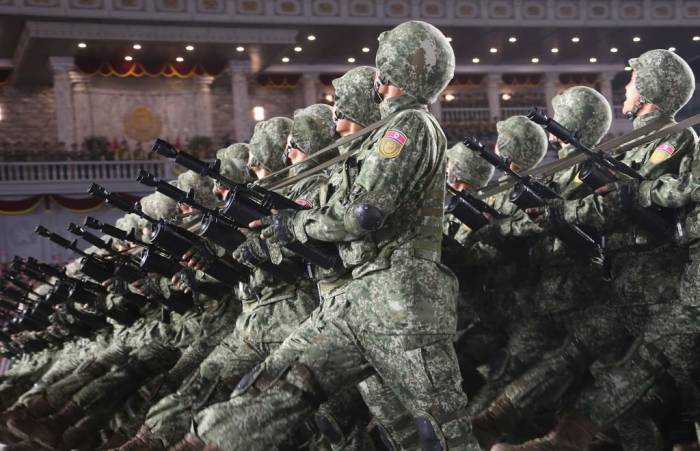
The potential involvement of North Korean soldiers in the Ukraine war , as indicated by recent reports, underscores a disturbing new dimension in global military alliances.
South Korean Defense Minister Kim Yong-hyun’s statements, along with reports from Ukrainian media, suggest that North Korea is not only supplying Russia with ammunition but may have also begun sending soldiers to support Russia’s beleaguered forces. If true, this would represent a notable escalation of North Korea's foreign military involvement.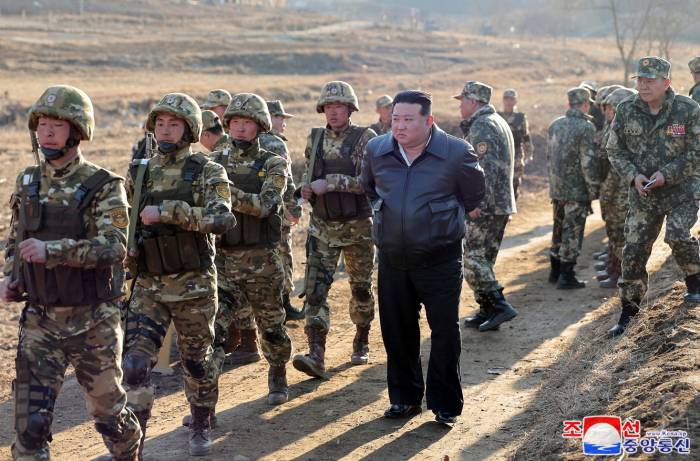
What’s behind this move?
The June 2024 mutual defense agreement signed between Kim Jong Un and Vladimir Putin appears to be the linchpin of this increasing cooperation. On the surface, this pact seems like a desperate gambit by two authoritarian regimes, each isolated from much of the global community. For Russia, which has struggled with manpower shortages in Ukraine, North Korean soldiers offer a quick fix—cheap and dispensable, in the brutal calculus of war.
North Korea’s motives are more self-serving: the conflict provides invaluable real-world combat experience for its troops, not to mention opportunities to field-test its weaponry under live combat conditions. Additionally, the strengthening of military ties with Russia may pave the way for crucial technological exchanges, helping North Korea overcome its own defense technology limitations.
The risk of international fallout
Should North Korea’s troop deployment be confirmed, it would undoubtedly provoke significant international backlash. North Korea has long tested the patience of the global community with its nuclear ambitions and provocations, and this move would mark its most direct military involvement in a foreign war in decades. It would raise questions about the scope of its ambitions beyond the Korean Peninsula and heighten concerns about the country’s growing militarization.
For Russia, this alliance is a double-edged sword. While the influx of North Korean troops and ammunition might ease some of the immediate pressures on the frontlines, relying on Pyongyang deepens Russia's isolation. The Kremlin is already a pariah in much of the world due to its aggression in Ukraine. Aligning itself more closely with one of the most reviled regimes on the planet may cost Russia whatever tenuous international support it still has, including from countries like China, which likely views North Korean adventurism with concern.
Casualties: A signal of escalation?
Reports of North Korean military officers being killed in Ukraine, specifically in Donetsk, if verified, would be further proof that Pyongyang is not merely a passive supplier of weapons but an active participant in the conflict. It’s one thing for Kim to trade artillery shells for diplomatic favors, but sending troops raises the stakes considerably. How will the West, particularly the U.S. and NATO, respond if these reports are confirmed?


Similar news