Japanese professor Matsunaga: Japan sees Azerbaijan as a laboratory of peace, progress, and sustainability - INTERVIEW


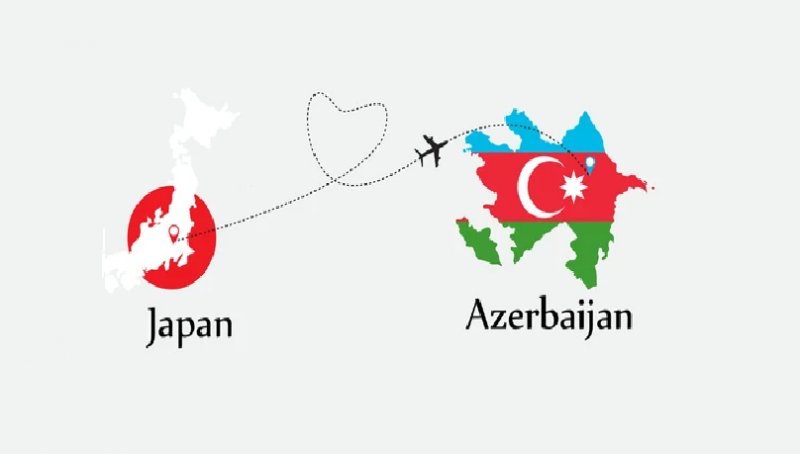
In today’s world, where diplomatic alliances are often built on pragmatism, partnerships grounded in mutual respect, trust, and cultural affinity carry a special value. Such is the nature of the strategic relationship between Japan and Azerbaijan—two countries located at opposite ends of Asia, yet united by their commitment to sustainable development, peace, and progress.
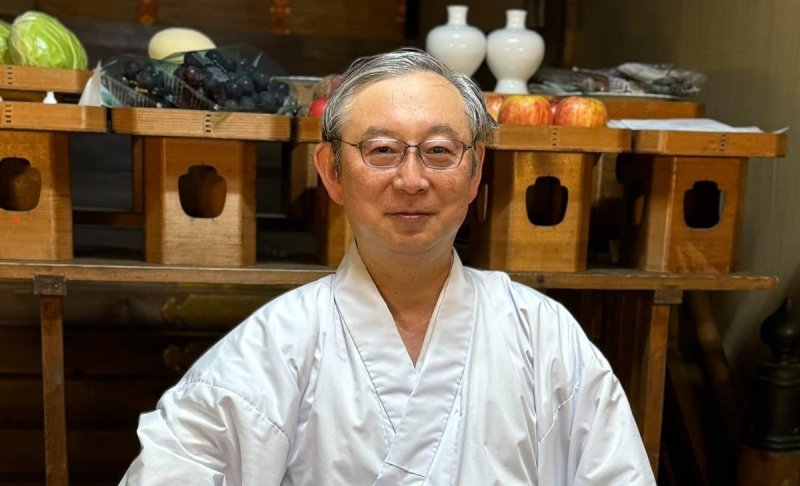
In this exclusive interview with News.Az, we speak with Dr. Akira Matsunaga, a visiting professor at Kaishi Professional University, a PhD in political science, and a renowned expert in regional studies—one of those rare thinkers who can see beyond the structure of facts to grasp the essence of epochal transformations.
– Dr. Matsunaga, how do you assess the potential for political and economic relations between Japan and Azerbaijan in the coming years? What new initiatives could catalyze this rapprochement?
-Today, Japan and Azerbaijan are facing a historic window of opportunity—not only to deepen their traditional partnership but also to create genuine synergy across cutting-edge areas of global transformation. This cooperation goes far beyond economic calculations and diplomatic protocols. It is becoming a laboratory for the future, where a new model of interstate relations is taking shape: intellectual, technological, ecological, and humanitarian.
At the political level, we are witnessing a rapid strengthening of dialogue—not only between official structures and parliaments but also among the intellectual and academic elites of both countries. So-called “soft diplomacy” is playing an increasingly significant role, encompassing cultural collaboration, education, academic exchange, history, and language. In this context, the idea of establishing a "Joint Strategic Analysis Center" is particularly relevant—a hub where scholars, politicians, futurists, technologists, and international relations experts from Japan and Azerbaijan could jointly analyze the major challenges of the 21st century: climate change, the energy transition, global risks, and cybersecurity.
Such a center could serve not only as a platform for intellectual exchange but also as a strategic think tank for developing models of sustainable development, digital sovereignty, and international security—models that could influence regional and even global processes.
Economic cooperation between the two countries has already proven effective, particularly in the oil and gas sector. However, in this era of global energy transition, a new opportunity arises to redirect joint efforts toward the development of hydrogen energy, including infrastructure for the production and export of “green hydrogen,” leveraging Azerbaijan’s vast solar and wind potential.
In this process, Japan could become a technological investor and intellectual partner, bringing its unique expertise in energy efficiency, hydrogen storage technology, and the creation of resilient energy systems.
Beyond energy, Japan and Azerbaijan can build a strategic partnership in areas such as digital infrastructure and smart agriculture. Japan’s experience in creating “smart cities” that integrate AI, big data, and ecological standards can be adapted to the rapidly developing urban centers of Azerbaijan, including the liberated territories, where innovative urban planning can be established from the ground up. Agriculture is also emerging as a growth sector. Japan’s sustainable agricultural models—incorporating automation, precision farming, and resource conservation—could become the foundation for a new generation of farming in Azerbaijan, especially in regions affected by climate change or post-conflict recovery.
Source: Shutterstock
– How does Japan view the political, economic, and cultural transformations taking place in the South Caucasus, particularly in Azerbaijan? What are the key factors influencing Japan’s perspective, and which areas does it prioritize in its regional policy?
-For Japan, the South Caucasus is a region at the crossroads of eras. Japan closely monitors the political transformation in the region—especially in Azerbaijan—and positively assesses the efforts to rebuild the liberated territories. From a Japanese perspective, it is particularly important that these efforts are both strategically sustainable and environmentally responsible.
The foundation of Japanese diplomacy is respect for territorial integrity and support for peaceful initiatives. Therefore, Japan is interested in becoming a humanitarian and technological partner to Azerbaijan in restoring cultural heritage, rebuilding education systems, and developing green infrastructure in Karabakh.
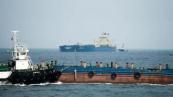
At the same time, Japan watches with deep respect and strategic interest the dynamic development of Azerbaijan’s oil industry—particularly in the Caspian Sea region, which has been a crossroads of civilizations for centuries and today serves as the energy heart of Eurasia. Japan sees this not just as a partnership, but as a vital component of its own energy security and economic stability.
Japanese corporations such as Itochu and INPEX are not merely participants in oil extraction projects in Azerbaijan—they are part of a new energy era built on mutual trust, high technology, and forward-looking policies. These companies, representing one of the world’s most technologically advanced economies, recognized from the outset the long-term strategic value of Azerbaijan’s energy sector.
The benefits of this cooperation are mutual. For Japan, it means stable and reliable energy supplies from a region known for its predictable investment climate and political stability. For Azerbaijan, it is not only about attracting investment but also about integrating into global technological and management practices, modernizing its energy sector, and—critically—strengthening the country’s macroeconomic resilience.
Thanks to oil exports, Azerbaijan has significantly increased its financial capacity. What is especially commendable, from Japan’s perspective, is how these revenues are being used. Japan acknowledges with appreciation the efforts of President Ilham Aliyev to transform oil from a mere source of income into a catalyst for national development. The creation of modern transport infrastructure, investments in healthcare and education, support for social programs, and the development of the digital and green economy—all of this has been made possible by a well-balanced and future-oriented policy of oil revenue distribution.
Japan particularly values the fact that Azerbaijan is demonstrating a model of responsible and sustainable natural resource management. This makes it not only a reliable supplier but also a respected partner—one that thinks in terms of decades, not quarterly profits. In Japan’s view, a country that can turn fossil resources into human capital, sustainable development, and public welfare represents a model that many developing nations should aspire to.
Thus, the energy cooperation between Japan and Azerbaijan has long transcended the boundaries of an ordinary economic project. It has become part of a broader philosophy of strategic partnership—one built on mutual respect, a commitment to technological and social progress, and shared responsibility for the future.
Source: CSS/ETH Zürich
– Japan is renowned for its peace-oriented approach. How can it contribute to strengthening international security, especially amid today’s global conflicts?
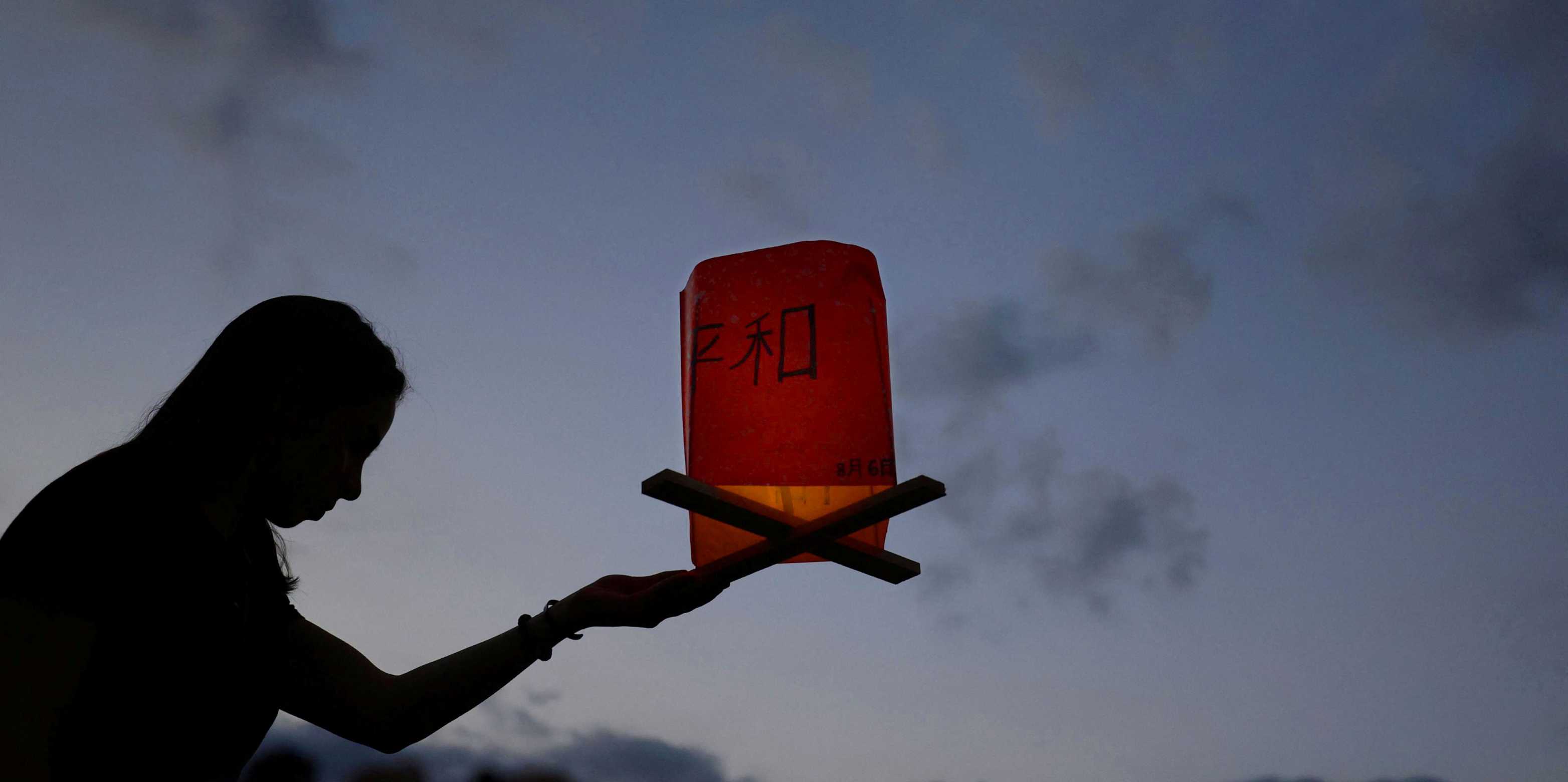
-In a world where some states pursue strategies based on military dominance and geopolitical alliances, Japan remains committed to its historical path—one of peacebuilding and diplomacy. While refraining from military involvement, Tokyo focuses its efforts on shaping a new architecture of global security—not through weapons, but through humanism, knowledge, and cooperation. Japan chooses not the battlefield, but the invisible yet resilient bridges that connect cultures, eras, and the wounds of the past with the hope of healing.
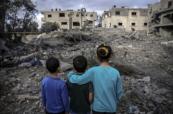
Japan’s experience in humanitarian work is unique: from supporting post-conflict territories to implementing systemic cultural rehabilitation programs and rebuilding human capital. It is no coincidence that Japanese experts are already involved in demining operations in Cambodia and Ukraine—restoring life to areas where the land still echoes with past tragedies. This work is more than just technical expertise—it is a philosophy. Japan sees it as its mission to help those affected by conflict regain dignity, stability, and the possibility of a better future.
Azerbaijan, having completed the military phase of its conflict and now entering the stage of rebuilding the liberated territories, stands today at the threshold of a great civilizational project: the return of life to Karabakh. Humanitarian demining, infrastructure restoration, and social and cultural rehabilitation are vital components of this process. Here lies the potential for a new level of cooperation. Should Azerbaijan request assistance, Japan is ready to support the implementation of humanitarian programs in post-conflict zones—through technical assistance and moral solidarity from a nation that has known pain and chosen peace.
Baku has repeatedly demonstrated its ability to serve as a global platform for dialogue—from the Global Forum on Intercultural Dialogue to the upcoming COP29. A partnership between Japan and Azerbaijan, rooted in a shared humanitarian mission, could inspire a new peace strategy—one built through culture, knowledge, and respect for human dignity. It is in such light, not in the shadow of arms, that the future is born.
Source: AzerTAG
– Finally, in your view, what makes the relationship between Japan and Azerbaijan unique within the global system of international relations?
-Both Japan and Azerbaijan are nations with deep cultural and civilizational codes. We honor the past, yet build toward the future. We understand the value of peace because we know the price of war. And we share a common foundation—respect, a culture of cooperation, and a desire for harmony.
The uniqueness of our relationship lies in its potential to become a model of humane international partnership for the entire region. If the Caspian Sea and the Pacific Ocean separate us geographically, the ideals of sustainability, culture, and peace bring us closer than ever before.


Similar news