Jean-Michel Brun: Trump plan puts Zelensky’s future at risk - INTERVIEW


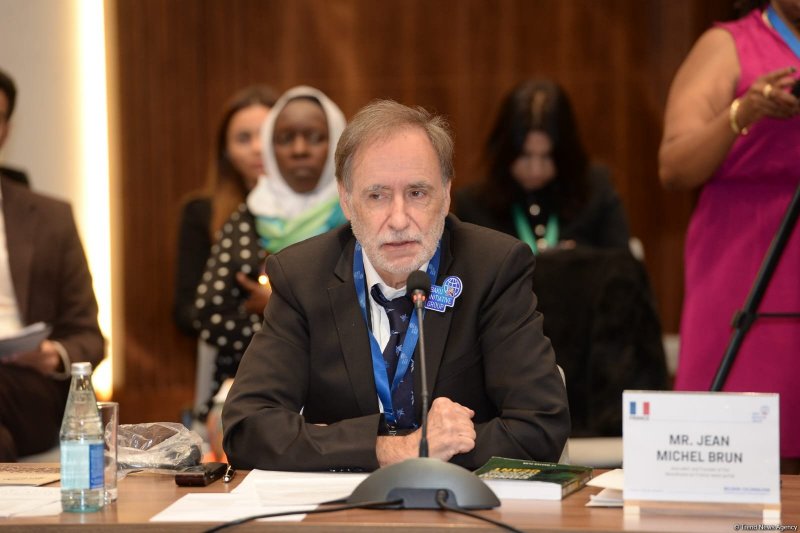
Amid high-profile UN Security Council decisions, sharp shifts in U.S. policy, and growing European concern over the so-called “Russian threat,” the international agenda is once again a field of competing interpretations. In such a landscape, the perspective of those who combine careful analysis with direct experience in key centers of influence becomes especially valuable.
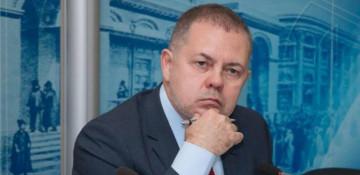
One such voice is Jean-Michel Brun, French journalist and editor-in-chief of Musulmans en France. His insights on the “Trump plan,” the role of President Zelensky, President Ilham Aliyev’s strategic approach, and European security challenge familiar stereotypes and offer a fresh view of global political dynamics. In this exclusive interview with News.Az, Brun engages in an open conversation about what lies behind the headlines, what Europe truly fears, and where the real lines of future conflicts and alliances are being drawn.
– The “Trump plan” triggered mixed reactions around the world. What is its most sensitive element for the Ukrainian leadership?
– The key point that is most uncomfortable for Zelensky is not the supposed benefits for Russia. The main risk lies in the demand to hold elections within three months, which essentially puts the future of his political career under threat. Trump has never hidden that he is interested solely in the benefit of the United States, and within this logic, Ukraine is seen as an instrument rather than an actor.
Therefore, Kyiv’s reaction is logical: any elections during an active conflict could radically change the entire political configuration.

Source: Axios
– Can we speak about similarities between the conflicts in Ukraine and Azerbaijan?
– There is similarity only at the level of outward rhetoric: in both cases, claims were made about “protecting their own people.” But the underlying reasons are fundamentally different.
The Armenian occupation was pure expansion, lacking any legal basis. The Russian invasion, on the other hand, emerged from a broken Western promise: during German reunification, the United States assured Moscow that former Soviet republics would not be brought into NATO. Later, this commitment was violated — Eastern European states joined the alliance, and Ukraine became the line the Kremlin viewed as impossible to cross.
This is why the scenario that proved effective for Azerbaijan could not be repeated in Ukraine — the historical conditions, the motivations of the parties, and the international context are radically different.
– Against this backdrop, many attempt to compare political leaders across different countries. How do you view the role of personality in resolving a state’s military-political problems, using concrete examples?
– I can say one thing: the President of the Republic of Azerbaijan, Ilham Aliyev, is a statesman of global stature who has formed a strategic direction for national development, strengthened state institutions, and accomplished the historic mission of liberating the occupied territories. He inherited and advanced this course from his father — the architect of modern Azerbaijan, the great leader Heydar Aliyev. The level of trust Azerbaijani society places in him is truly immense, and it is support rooted in results.
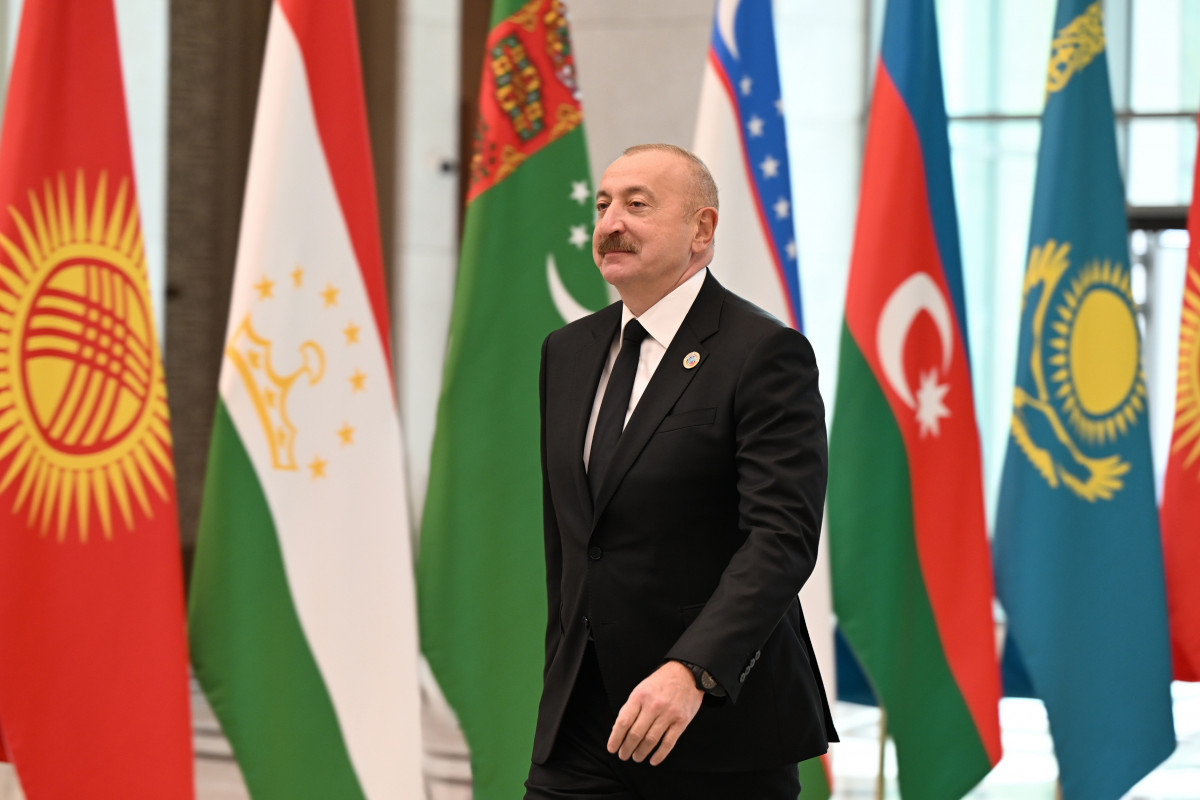
Photo: Azerbaijani President Ilham Aliyev
In the case of Ukraine’s President Volodymyr Zelensky, we see a completely different context. His political rise was accompanied by external financial backing and a short electoral campaign, while domestically he faces harsh criticism and suspicions regarding the use of financial aid. Moreover, the war has become the factor keeping his political position intact.
– In Europe, discussions about the “Russian threat” are becoming more frequent. How justified are these fears, and how does this influence Moscow’s relations with Baku?
– European rhetoric is largely built on internal political calculations. The continent is going through a deep crisis, and some leaders, including Emmanuel Macron, are trying to rally society around the idea of an external danger. Recent statements by the French military leadership confirm this trend.
Putin, despite highly polarized assessments, is consistent in one thing: he clearly identifies red lines in advance and acts accordingly. He has openly stated that he does not intend to expand military presence into Europe unless there are provocative steps from the West. Tension arises more from political manipulation than from genuine threat.
Relations between Moscow and Azerbaijan are built on an entirely different historical foundation and on a multilayered dynamic that takes into account both past and recent events. Therefore, the European discussion about a “threat” has little relevance to the South Caucasus context.


Similar news