Kenneth Walker III wins historic Super Bowl MVP


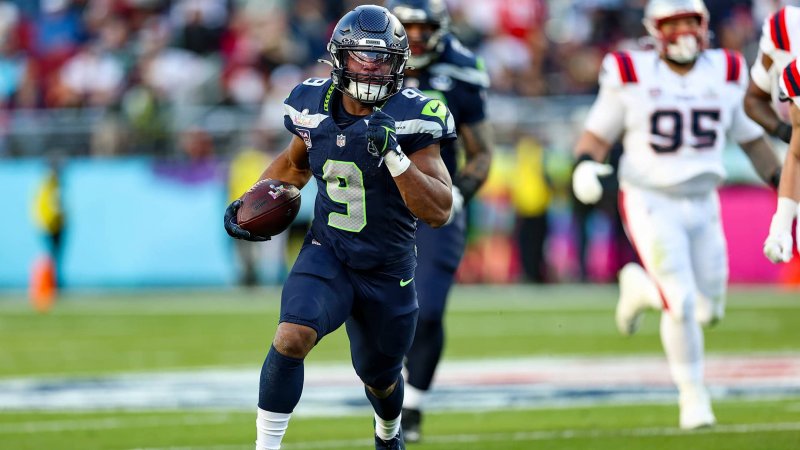
Kenneth Walker III’s Super Bowl MVP performance is being seen as a major sign that the running back position is regaining importance in today’s NFL.
The Seattle Seahawks star powered his team to a 29–13 victory over the New England Patriots in Super Bowl LX, delivering a dominant all-around performance. Walker finished the game with 161 total yards on 29 touches, including 135 rushing yards and 26 receiving yards, becoming the first running back to win Super Bowl MVP in 28 years, News.Az reports, citing foreign media.
The last player at the position to earn the honor was Hall of Famer Terrell Davis, making Walker’s achievement a historic moment for running backs in an era long dominated by quarterbacks and passing offenses.
RECOMMENDED STORIES
While Seattle’s defense played a major role in the championship win, Walker became the centerpiece of the offense, especially as the Patriots focused on limiting Seattle’s passing game. Quarterback Sam Darnold struggled against New England’s aggressive blitz schemes, finishing 19-of-38 for 202 yards after a slow first half. That placed additional pressure on the running game, and Walker delivered.
Teammates praised Walker’s consistency, work ethic and leadership. Offensive linemen said he repeatedly turned difficult plays into positive gains, helping stabilize the offense throughout the game. In the first half alone, Walker rushed for 90 yards, including explosive runs of 30 and 29 yards that helped Seattle build an early lead.
His performance came at a critical time for the Seahawks, who were already dealing with injuries at running back, including Zach Charbonnet missing time with a torn ACL. With limited depth, Seattle leaned heavily on Walker, who responded with one of the most important performances of his career.
Walker’s success also reflects a broader shift happening across the NFL. For years, running backs have been undervalued compared to wide receivers and quarterbacks, especially in contract negotiations. In recent seasons, top receivers have signed significantly larger deals than elite running backs, reinforcing the perception that the position was becoming less essential.
However, recent championship trends suggest teams are rediscovering the value of strong rushing attacks. The Philadelphia Eagles previously reached the Super Bowl behind a dominant rushing season from Saquon Barkley, while Christian McCaffrey led the San Francisco 49ers to a Super Bowl appearance after leading the league in total yards and touchdowns.
Seattle followed a similar blueprint this season. The combination of Walker and the Seahawks’ rushing system helped the team win 14 games and eventually secure the Lombardi Trophy. League-wide statistics also show a shift, with fewer teams relying heavily on high-volume passing attacks compared to previous years.
Walker’s performance could have major financial implications as well. With free agency approaching, he enters a strong market that includes several top running backs. However, after delivering multiple 100-yard playoff games and scoring four postseason touchdowns, Walker could position himself as the most valuable back available.
More broadly, analysts believe his Super Bowl MVP performance could help reset how teams value the running back position moving forward.
On the biggest stage in football, Walker didn’t just help win a championship, he helped reshape the narrative around one of the sport’s most debated positions.
By Aysel Mammadzada


Similar news