Rising tensions over Iran spark global energy concerns


Editor’s note: Moses Becker is a special political commentator for News.Az, holding a PhD in political science and specializing in interethnic and interreligious relations. The views expressed in this article are the author’s own and do not necessarily reflect the position of News.Az.
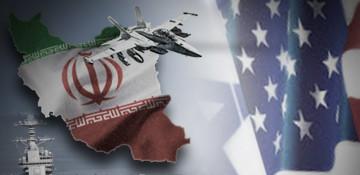
Following the arrest of Venezuelan President Nicolás Maduro, the United States effectively took control of most of that country’s oil resources. Iran now appears to be next in line to face a similar scenario. The strategic objective is to cut off access to cheap hydrocarbons for China and other competing economies. Aware of this dynamic, Beijing has already spoken out against the use or threat of military force in international relations. The position was articulated by Mao Ning, spokesperson for China’s Ministry of Foreign Affairs, during a recent briefing.
At the same time, it is not only intensifying geopolitical competition that is pushing the White House toward decisive action. The ayatollahs’ regime has long tested the patience of the international community through interference in the internal affairs of other states and efforts to export its own model of Islam. The entire region has been destabilized by Iran’s aggressive policies, further reinforcing Washington’s determination to support Iranian opposition forces.
The regime itself has also fueled public discontent. Repression, soaring inflation, economic decline, and widening social inequality have contributed to the current wave of unrest.
Source: Reuters
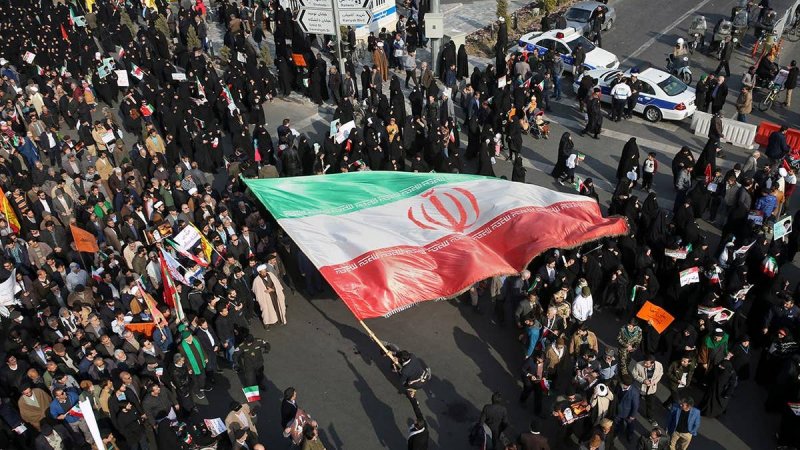
Rather than prioritizing living standards, the Iranian leadership has concentrated its efforts on rebuilding missile and military capabilities damaged during the 12-day war. Protests that erupted on December 28, 2025, are being met with harsh crackdowns. Against this backdrop, U.S. President Donald Trump urged demonstrators to seize government institutions, declaring that “help is on its way.”
“Iranian patriots, keep protesting — seize your institutions!!! Save the names of the killers and abusers. They will pay a big price. I have canceled all meetings with Iranian officials until the senseless killing of protesters stops. Help is on its way,” Trump wrote on his Truth Social account.
White House press secretary Karoline Leavitt later said that the world would have to “wait and see” what actions the president would take. In response, Iranian parliament speaker Mohammad Bagher Ghalibaf warned that in the event of a U.S. military attack, “both the occupied territories [Israel] and American military and shipping centers will become legitimate targets.” Trump, in turn, cautioned that any attack on U.S. bases would trigger a response that Tehran had “never experienced before.”
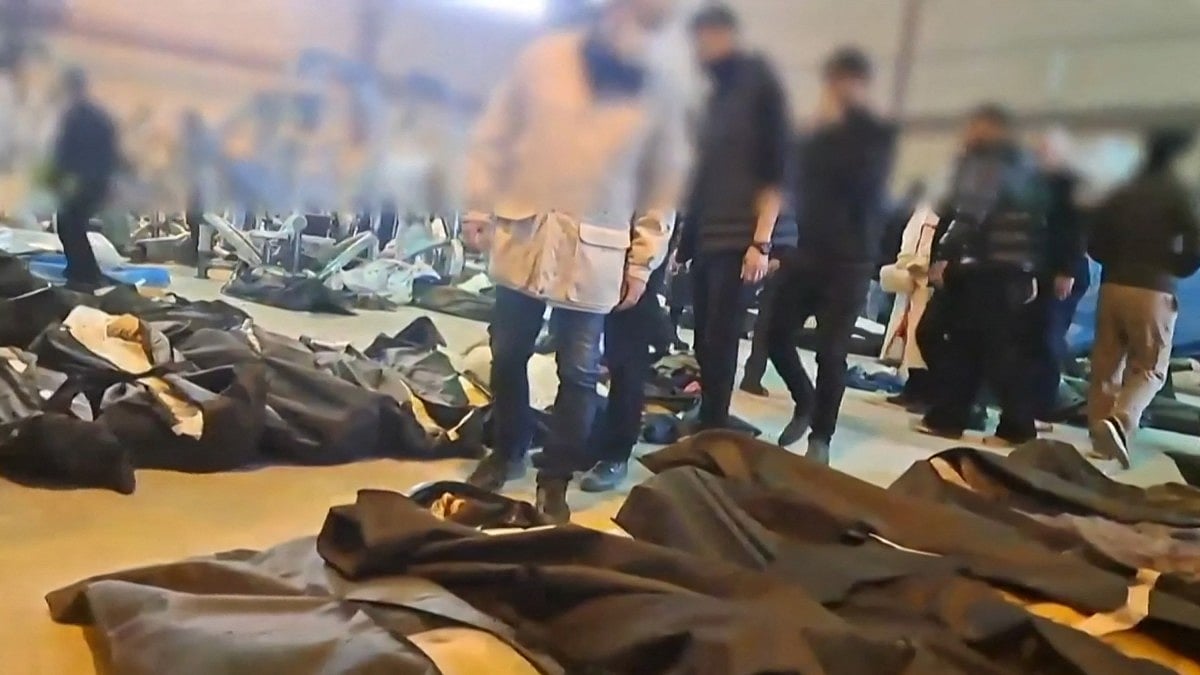
On January 13, 2026, Reuters reported, citing an Iranian official, that about 2,000 people, including security personnel, had been killed during the unrest. The official attributed the deaths to “terrorists,” marking the first time Iranian authorities acknowledged such a high toll. Previously, the Human Rights Activists News Agency (HRANA) reported that at least 646 people had been killed by January 12, including 505 protesters, among them nine minors, as well as 133 members of the security forces. One prosecutor and seven civilians not involved in demonstrations were also killed. In addition, the organization received 579 reports of deaths that are still under review for confirmation. The group also documented more than 10,700 detentions by January 12.
Source: Reuters
Iran’s judiciary chief Gholam-Hossein Mohseni-Ejei has indicated that fast-track trials and executions will be carried out for detainees. While communications across much of the country have been restricted, videos and eyewitness accounts suggest that Iran is conducting one of its most severe crackdowns on protests in more than a decade.
In an effort to help restore connectivity, the U.S.-based organization Holistic Resilience announced that it may provide free access to Elon Musk’s Starlink satellite internet service. Musk’s ability to activate or deactivate the system in specific locations has made him an increasingly influential and unpredictable geopolitical actor.
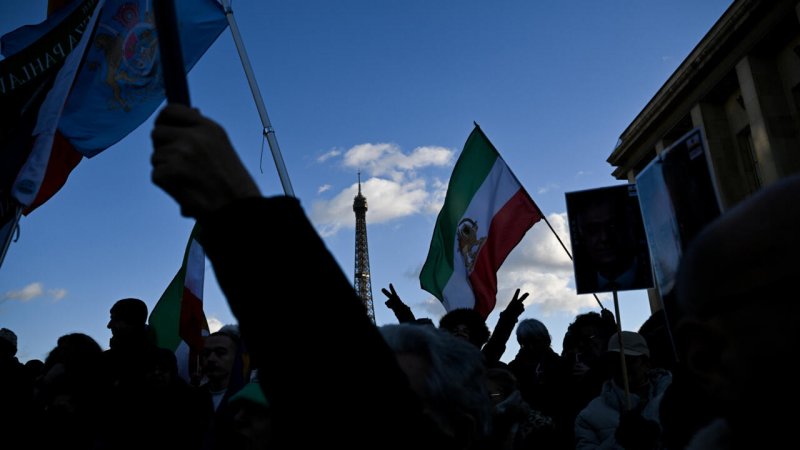
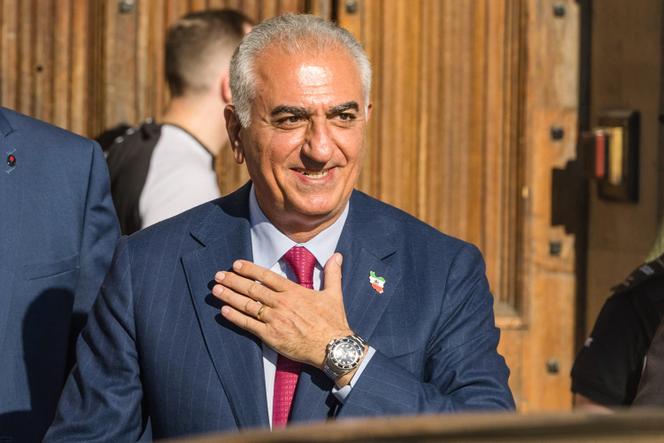
A notable symbolic development has been the renewed prominence of Crown Prince Reza Pahlavi. Protesters have been chanting calls for the return of the “shah,” and even critics acknowledge that he may be the only figure with sufficient authority to oversee a transitional period. This is hardly surprising: given the political vacuum created in Iran under the weight of teh Islamist dictatorship, alternative forms of governance appear unviable.
Recently, Reza Pahlavi has increased his activity on social media, posting messages and videos that garner millions of views. He called for demonstrations to begin at 08:00 p.m. local time, later setting new protest times, suggesting they be extended, and urging demonstrators to occupy city centers. The public has followed his lead, and his supporters say the prince’s calls help guide the protest movement. In addition, Reza Pahlavi announced that amnesty would be granted to those who defect to the side of the people. He has stated that most individuals currently working in government and the military should remain in their positions to ensure stability after the departure of Supreme Leader Ali Khamenei.
Source: CNN
According to Axios, U.S. special envoy Steve Witkoff recently held a secret meeting with Reza Pahlavi, marking the first known high-level contact between the U.S. administration and Iran’s opposition. Media reports describe Pahlavi as the most prominent opposition figure, with internal Iranian polling suggesting that he commands the support of roughly one-third of the population.
In an effort to address the “Iranian problem,” as it is viewed in Washington, the White House is considering various measures to pressure Tehran, including air strikes. According to The Wall Street Journal, Trump is reportedly inclined toward this scenario, raising concerns in Saudi Arabia, Oman, and Qatar, which have warned that such action could destabilize global oil markets. However, the experience of the June 2025 war, during which strikes were carried out against Iran, suggests that this could be done without excessive risk.
Meanwhile, reports are emerging of movements and deployments of air defense systems in Israel. Following a cabinet meeting, the Israel Defense Forces increased their level of combat readiness in anticipation of “any possible developments.” Hospitals are also being readied to operate under special conditions.
Amid the escalating conflict, Brent crude oil prices have risen 2 percent, surpassing $65 per barrel. For the first time since June 2025, prices have increased for a third consecutive week. While this is beneficial for producers, it negatively affects consumers, as it drives up the cost of manufactured goods.
(If you possess specialized knowledge and wish to contribute, please reach out to us at opinions@news.az).


Similar news