Trump’s Nigeria strikes deepen global debate on counterterrorism


.png)
Editor's note: Faig Mahmudov is a journalist based in Azerbaijan. The views expressed in this article are his own and do not necessarily reflect those of News.Az.
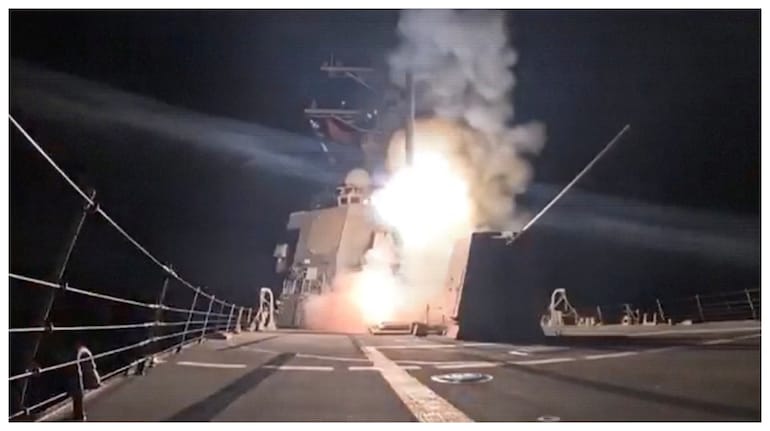
The reported U.S. military strikes against alleged Islamic State militants in northwest Nigeria, announced personally by President Donald Trump on the Truth Social platform, raise questions that extend far beyond the battlefield. They touch on the justification of counterterrorism operations, the treatment of sovereignty, and the growing fusion of religion and politics in global security discourse. They also once again highlight the power of language when political leaders frame complex conflicts as moral crusades.
Nigeria has for years faced overlapping extremist insurgencies, including ISIS-affiliated ISWAP units, Boko Haram factions, and other militant groups. These organizations have targeted civilians, security forces, and infrastructure, and have carried out sectarian attacks, including against Christian communities. Nigeria’s security challenges are real. However, the reported US decision to carry out direct strikes on Nigerian territory marks a controversial escalation in Washington’s engagement on the African continent.
Historically, U.S. operations in Africa have been conducted primarily through cooperation with partner governments, training missions, intelligence sharing, and targeted operations in countries such as Somalia. Nigeria, however, is a sovereign state with its own armed forces and political leadership. Any unilateral military action raises immediate questions: Was the Nigerian government consulted? Did it formally authorize the strikes? Were the operations coordinated to minimize civilian harm and diplomatic fallout? These questions go to the heart of international law and respect for sovereignty.

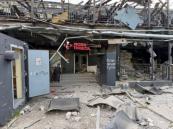
Source: France24
Another issue is transparency. US military actions of this nature are usually announced through official channels such as the Pentagon or US Africa Command. In this case, the announcement reportedly came through a social media post by Trump, who framed the strikes as a response to attacks against Christians. That framing matters. When counterterrorism is presented as a religiously motivated retaliation, it risks deepening polarization at home and abroad.
Counterterrorism policy is traditionally anchored in universal principles such as civilian protection, rule of law, and prevention of extremist violence regardless of victims’ identity. When it becomes framed as a defense of one religious community against another, it risks being interpreted as a sectarian confrontation. Extremist groups thrive on such narratives, and rhetoric that mirrors them can unintentionally reinforce militant propaganda.
Trump’s references to “radical Islamic terrorism” and warnings of further bloodshed may mobilize domestic political support, but they also carry broader consequences. Such language can increase the vulnerability of religious minorities in Africa by reinforcing the perception that Christian communities are aligned with Western powers. It may also alienate Muslim populations who are themselves among the primary victims of ISIS-linked groups in Nigeria and across the Sahel.
The reported strikes also raise strategic questions about the direction of US security policy in Africa. The continent has become an increasingly competitive security environment involving global powers and non-state actors. Russia has expanded its presence through Wagner-linked networks, while China’s economic footprint increasingly intersects with security. A shift by Washington toward more direct kinetic engagement risks adding another layer of volatility.

Source: luxtimes
There are also legal implications. Under international law, the use of force on another state’s territory generally requires consent, a clear international mandate, or a compelling self-defense justification. If the strikes were conducted without Abuja’s approval, they could establish precedents that other powers may later invoke. This makes process and oversight critical regardless of political alignment.
Domestically, framing military action as protection of persecuted Christians blurs the boundary between humanitarian concern and military intervention. Religious persecution must be addressed, but the means employed must be lawful, proportionate, and part of a broader strategy that targets root causes rather than short-term tactical gains.
Nigeria’s insurgencies are rooted in governance failures, economic marginalization, local grievances, climate-driven displacement, and regional instability across the Lake Chad Basin and Sahel. Airstrikes alone cannot substitute for diplomacy, institution-building, economic development, and inclusive national policy. Uncoordinated military action risks reinforcing the grievances exploited by extremist groups.
Humanitarian risks also remain significant. Even precision strikes carry the risk of civilian casualties. In fragile communities, a single error can undermine years of reconciliation and trust-building efforts. This is why accountability mechanisms and independent verification remain essential.
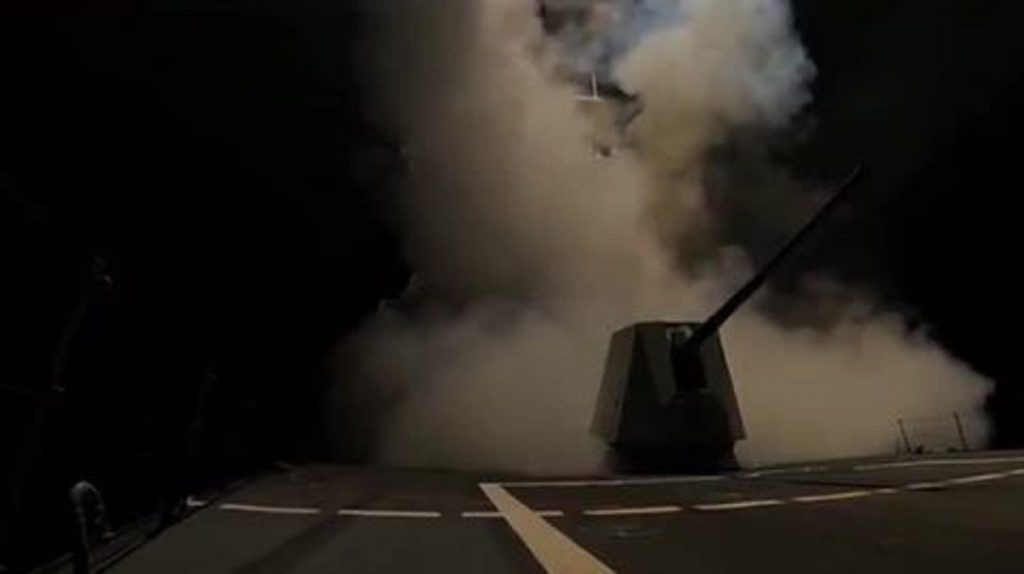
Source: channelafrica
Beyond the operational details, the episode illustrates how modern conflict is communicated. Announcing military action through campaign-style messaging, mixing religious rhetoric with threats of overwhelming force, blurs the line between governance and political performance. Effective security strategy requires disciplined communication and recognition of the gravity of such decisions.
This development also feeds into the broader debate over how the world confronts extremist violence. There has long been tension between force-centered approaches and strategies that combine security measures with long-term social and governance reforms. When the balance tilts too heavily toward kinetic solutions, the risk of destabilizing consequences increases.
ISIS and its affiliates are not only military organizations but ideological movements that exploit fear, grievance, and perceptions of Western hostility toward Islam. Framing counterterrorism as a as a war for Christianity risks validating extremist propaganda. A more effective approach emphasizes interfaith solidarity and the principle that extremism threatens all communities regardless of faith.

Source: Reuters
The reported US strikes in Nigeria are therefore not just another chapter in the global fight against ISIS, but a test of how power, sovereignty, and political messaging intersect in modern security policy. Protecting vulnerable civilians is a legitimate objective, but it must be pursued in ways that uphold international law, respect national autonomy, and avoid inflaming identity-based tensions that extremists seek to exploit.
Leadership requires not only the capacity to use force but also the judgment to recognize its limits. Rhetoric that presents complex conflicts in absolute religious terms may generate short-term political support, but it risks deepening division and insecurity. Effective counterterrorism in Africa and beyond requires restraint, partnership, and a consistent commitment to the principle that all civilian life carries equal value.
(If you possess specialized knowledge and wish to contribute, please reach out to us at opinions@news.az).


Similar news