Ukraine–Russia war: what the past 24 hours reveal about the conflict’s evolving dynamics


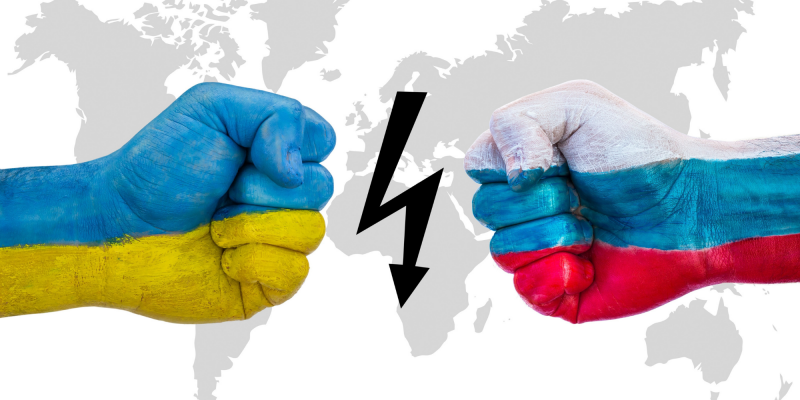
Over the past 24 hours, the Ukraine–Russia war has continued to evolve through a combination of battlefield engagements, long-range strikes, diplomatic signaling, and mounting pressure on logistics and infrastructure, News.Az reports.
While no single event has fundamentally altered the overall balance of the war, the cumulative developments of the last day illustrate how the conflict is increasingly shaped by attrition, air power, and strategic messaging. The latest developments underscore the prolonged nature of the war and the challenges facing both Kyiv and Moscow as they seek military advantage without triggering uncontrollable escalation.
Frontline fighting and tactical shifts
Along the main фронt lines in eastern and southern Ukraine, fighting over the past 24 hours remained intense but largely positional. Ukrainian forces continued defensive operations while launching limited counterattacks aimed at disrupting Russian advances and supply routes. Russian troops maintained pressure in several contested sectors, relying heavily on artillery and glide bombs to weaken Ukrainian positions before attempting incremental advances.
Military analysts noted that the tempo of ground operations suggests both sides are prioritizing sustainability over rapid breakthroughs. The focus has shifted toward exhausting the opponent’s manpower and resources rather than achieving dramatic territorial gains. The last day reinforced the assessment that the war has entered a phase where small tactical gains come at high cost.
Airstrikes, drones, and missile attacks
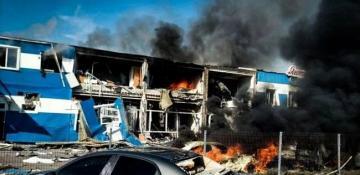
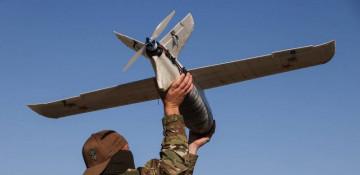
The use of air power and unmanned systems remained central to developments over the past 24 hours. Russia carried out a new wave of missile and drone attacks targeting Ukrainian energy and military-related infrastructure. Ukrainian air defenses intercepted many of the incoming threats, but several strikes caused damage to power facilities and industrial sites, leading to localized disruptions.
Ukraine, in turn, continued long-range drone operations aimed at Russian military targets and logistics hubs. These strikes, while limited in scale, serve both military and psychological purposes. They demonstrate Kyiv’s ability to reach deep into Russian-held territory and challenge Moscow’s sense of security, even if the immediate material impact remains constrained.
Impact on civilian infrastructure
Civilian infrastructure once again bore the brunt of the conflict over the past day. In Ukraine, power outages and damage to heating systems raised concerns as winter conditions persist in many regions. Local authorities worked to restore services, but repeated attacks have strained repair capabilities and emergency reserves.
On the Russian side, officials reported drone-related disruptions in border regions and areas deeper inside the country. While civilian casualties remained limited over the past 24 hours, the growing frequency of such incidents has heightened public awareness of the war’s reach. Both societies are increasingly affected by a conflict that shows little sign of ending.
Military logistics and ammunition pressure
Logistics emerged as a critical factor in the past day’s developments. Ukrainian officials highlighted ongoing challenges related to ammunition supply, particularly artillery shells and air defense interceptors. Western military aid continues to play a decisive role, but delays and production limits remain a concern for Kyiv’s planners.
Russia, meanwhile, relied on its industrial capacity and external supply channels to sustain operations. However, reports of strained logistics and equipment losses indicate that Moscow also faces long-term sustainability issues. The past 24 hours reinforced the idea that the war’s outcome may depend as much on industrial endurance as on battlefield tactics.
Political messaging from Kyiv
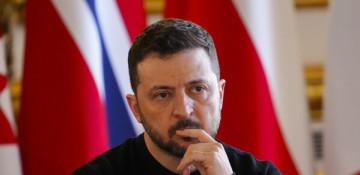
Ukrainian political leaders used the past day to emphasize resilience and the need for sustained international support. Statements from Kyiv focused on unity, the defense of sovereignty, and the importance of continued military and economic assistance from partners. Officials stressed that Ukraine’s ability to hold the line depends on predictable and long-term backing rather than short-term aid packages.
This messaging reflects growing concern in Kyiv about donor fatigue and shifting political priorities abroad. Over the past 24 hours, Ukrainian leaders sought to remind allies that any weakening of support would have immediate consequences on the battlefield.
Signals from Moscow
From Moscow, official rhetoric over the past day combined confidence with warnings. Russian leaders reiterated that their objectives remain unchanged while accusing the West of prolonging the conflict through military aid to Ukraine. At the same time, statements emphasized Russia’s readiness for a long war, framing endurance as a strategic advantage.
Analysts noted that this messaging aims to reassure domestic audiences while signaling resolve to external actors. The lack of flexibility in official statements suggests that Moscow currently sees little incentive to compromise, at least under existing conditions.
Diplomatic activity and international reactions
Diplomatic engagement continued in parallel with military actions over the past 24 hours. Western governments issued renewed statements supporting Ukraine and condemning Russian strikes on infrastructure. Discussions about additional sanctions and military assistance featured prominently, though no major policy shifts were announced during the day.
At the same time, some international actors reiterated calls for dialogue and de-escalation. These appeals, however, appeared largely symbolic, as neither side showed signs of readiness for meaningful negotiations. The diplomatic landscape remains fragmented, reflecting deep divisions over how to address the conflict.
Economic pressure and sanctions effects
Economic aspects of the war also featured in developments over the past day. Ukraine continued efforts to stabilize its economy under wartime conditions, relying on external financial assistance and emergency measures. Inflationary pressures and budgetary strain remain significant challenges.
Russia, despite sanctions, demonstrated continued economic adaptation. However, reports pointed to longer-term risks, including labor shortages, technological constraints, and declining investment. The past 24 hours highlighted how economic warfare remains an integral, though often less visible, dimension of the conflict.
Public sentiment and war fatigue
Public sentiment in both Ukraine and Russia showed signs of strain over the past day. In Ukraine, resilience remains strong, but prolonged hardship and uncertainty are taking a toll on civilians. Calls for continued resistance coexist with growing exhaustion after years of conflict.
In Russia, public discourse is more controlled, but indirect indicators suggest rising concern about casualties and economic consequences. While open dissent remains limited, the persistence of the war is gradually reshaping public attitudes.
Information warfare and narratives
The information battlefield intensified over the past 24 hours. Competing narratives dominated media coverage and online platforms, with both sides emphasizing their successes and downplaying losses. Ukraine highlighted effective air defenses and international solidarity, while Russia focused on claimed advances and strikes on military targets.
This constant struggle over perception influences international opinion and domestic morale. The past day demonstrated that information warfare is now inseparable from kinetic operations.
Risk of escalation and regional implications
Despite the intensity of fighting, the past 24 hours did not see a major escalation beyond existing patterns. However, the risk remains ever-present. Long-range strikes and cross-border incidents carry the potential for miscalculation, particularly as new weapons systems are introduced and rules of engagement evolve.
Regional actors continued to monitor developments closely, aware that any significant shift could have broader security implications. The absence of escalation should not be mistaken for stability.
What the past 24 hours suggest
Overall, the last 24 hours of the Ukraine–Russia war underscored a conflict defined by endurance rather than rapid change. Incremental military actions, sustained pressure on infrastructure, and persistent diplomatic stalemate characterize the current phase. Neither side achieved a decisive advantage, but both demonstrated the capacity to continue fighting.
The developments of the past day reinforce a sobering conclusion: without a significant shift in military balance or political will, the war is likely to remain a prolonged struggle. Each passing day adds to the human, economic, and strategic costs, shaping a conflict whose resolution remains uncertain.


Similar news