Ukraine’s new energy plan with the EU


By Asif Aydinli
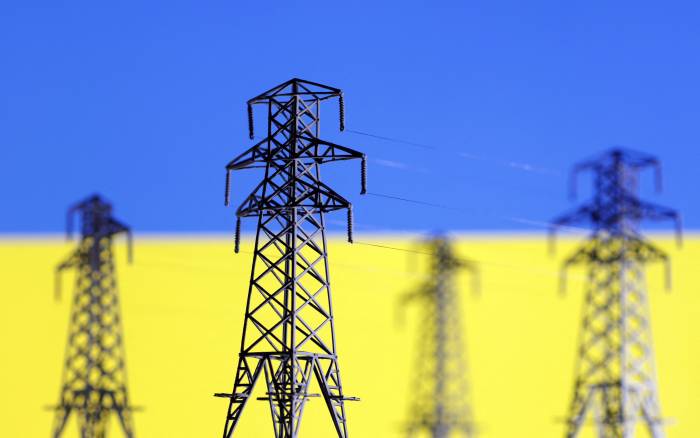
The agreement between Ukraine and the European Union to substantially increase electricity imports for the 2024–2025 winter season aims to stabilize Ukraine’s energy system amid mounting challenges. Starting December 1, 2024, the maximum import capacity from the EU will increase from 1.7 GW to 2.1 GW, providing Ukraine access to an additional 250 MW of emergency assistance. This, according to Energy Minister Herman Halushchenko, is expected to strengthen the resilience of Ukraine’s power grid. Given the extensive infrastructure damage, this move is significant, though it doesn’t solve all of Ukraine’s energy issues.
A brief analysis of the current situationSince the onset of the full-scale conflict with Russia in the spring of 2022, Ukraine’s energy system has suffered unprecedented damage. Previously self-sufficient, the country now faces a stark energy imbalance due to continued attacks on infrastructure. As of June 2024, Ukraine has lost over 9 GW of installed capacity, with around 80% of thermal generation and a third of its hydroelectric power out of commission. This has dramatically increased Ukraine’s reliance on external energy sources, particularly imports from the EU.
While the current agreement to expand electricity imports is a critical measure, it remains temporary. EU estimates suggest that Ukraine’s winter energy deficit could reach up to 6 GW, meaning that even with increased imports, Ukraine will only partially cover its needs. Priority will likely be given to essential infrastructure and major cities, while lower-priority regions may continue to experience prolonged outages of 12 to 20 hours per day.
The role and potential of distributed generation
One potential way to alleviate the situation is through the development of distributed generation. Under agreements with the EU and Ukraine’s Ministry of Energy, the Ukrainian Energy Support Fund is set to introduce an additional 220 MW of distributed generation by the winter of 2024-2025. While beneficial, this figure is only a fraction of what is needed for a country facing a multi-gigawatt shortfall.
Distributed generation has clear advantages: it brings energy closer to consumers, reducing transport losses and decreasing reliance on large generators like thermal and hydroelectric plants that remain high-value targets in the ongoing conflict. However, distributed generation requires substantial investment and time to implement. The planned capacity increase by late 2024 will likely serve as a crucial but localized support measure rather than a comprehensive solution.
The economic aspect: How will Ukraine finance this transition?
A major question is how Ukraine will fund this energy transition and pay for imported electricity, which costs more than domestically generated power. In the past year, the EU and Germany have provided financial support to offset some of these costs. For example, in September 2024, Germany announced an additional €170 million to help rebuild Ukraine’s energy infrastructure. However, as the conflict and domestic economic crisis drag on, Ukraine’s ability to continue receiving such robust support from its European partners is uncertain.
During the winter of 2023-2024, imports from the EU helped maintain system balance and reduce blackout durations, yet the associated costs were steep. Ukrainian authorities had to seek additional loans from partners to cover electricity expenses. This may mean further debt increases for Ukraine, posing risks to its long-term economic stability. Alternatively, Ukraine could consider stricter tariff policies for households and businesses, though this could lead to unpopular social consequences.
Political context and the EU’s role
The energy import agreement underscores the EU’s commitment to long-term support for Ukraine, reflecting the EU’s broader strategy to aid countries affected by geopolitical crises. The synchronization of Ukraine’s energy systems with those of the EU, which began in 2022, symbolizes Ukraine’s integration into European energy and economic structures. However, this closer alignment carries certain risks for the EU: should another energy crisis occur in Europe, as it did in 2022, the EU could face tough choices between supporting Ukraine and safeguarding its energy security.
Politically, Ukraine benefits from its partnership with the EU in several ways: reliable energy supplies, political support, and assistance in modernizing infrastructure. Yet, dependence on European imports can be a double-edged sword. Such agreements often come with political conditions and limitations and may be reassessed as global or internal EU situations change.
Conclusions and prospects for the upcoming winter
The 2024–2025 winter season will test Ukraine’s ability to utilize increased imports and develop distributed generation effectively. Amid continued conflict and infrastructure damage, even with the import boost to 2.1 GW, meeting all energy demands will be challenging. This means Ukrainian authorities will need to set priorities and make compromises in the distribution of electricity across regions and facilities.
Energy shortages remain a primary concern, with outage durations likely to depend on weather conditions, infrastructure integrity, and conflict intensity. The EU will likely continue to support Ukraine in its efforts to maintain energy stability, but a complete recovery of Ukraine’s energy system will require multi-billion investments and extensive time.
In the long run, Ukraine must focus on building internal resilience and reducing its reliance on external supplies, while the EU needs a strategy to support Ukraine without jeopardizing its own security.


Similar news